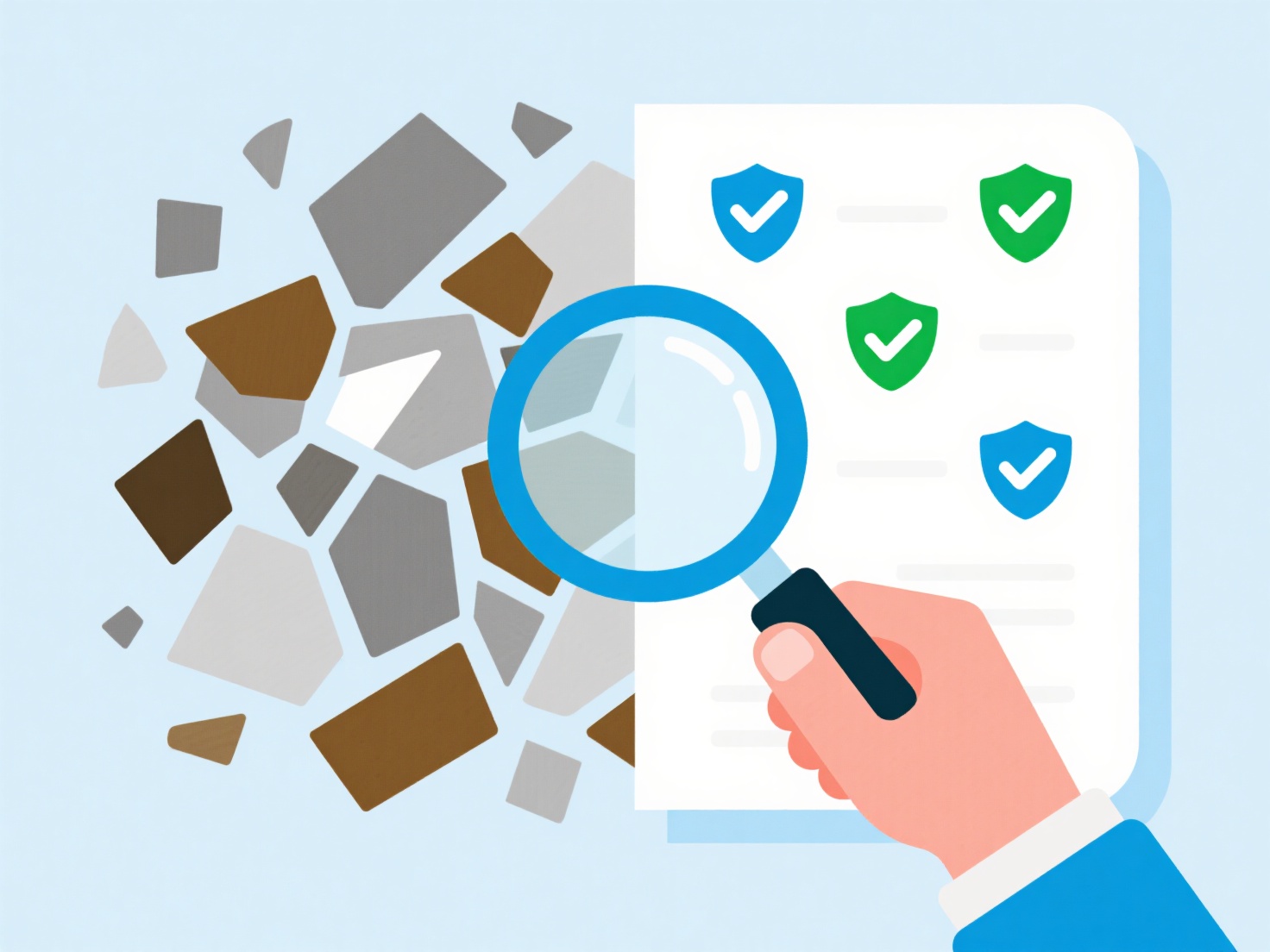
To check misinformation and find reliable sources, you must evaluate the author's credentials, prioritize peer-reviewed literature, and cross-check claims against established academic databases.
In an era of information overload and predatory publishing, learning how to separate credible scholarly articles from unreliable content is an essential skill for any researcher. By following a structured approach to evaluating literature, you can build a trustworthy foundation for your own academic work.
Evaluate Author Credentials and Bias
Before trusting a paper or article, investigate who wrote it. Look for authors affiliated with recognized universities, research institutions, or credible organizations. It is also important to check the "Declarations" or "Funding" sections of a paper for potential conflicts of interest that might introduce bias into the research findings or methodology.
Prioritize Peer-Reviewed Literature
The gold standard for credible sources is peer-reviewed scholarly articles. The peer-review process ensures that independent experts in the field have rigorously evaluated the study's methodology, data, and conclusions before publication. To find these papers, stick to reputable academic databases and university library catalogs rather than relying on general web searches, which often surface unvetted information, opinion pieces, or predatory journals.
Verify Citations and References
Misinformation often hides behind misrepresented data or fabricated reference lists. Always check the bibliography to see if the author is citing high-quality, relevant studies to back up their claims. When using modern AI tools to speed up your literature search, it is crucial to avoid fake or hallucinated sources; for instance, WisPaper's TrueCite automatically finds and verifies citations, eliminating hallucinated references so you can confidently rely on the authenticity of your sources.
Cross-Reference Claims for Consensus
A single study rarely proves a scientific fact, and isolated papers can sometimes contain flawed methodologies. To effectively fact-check a bold claim, practice "lateral reading" by looking for consensus within the broader academic community. Search for systematic reviews or meta-analyses, which synthesize data from dozens of individual studies to provide a much more reliable overview of a topic.
Apply the CRAAP Test
When evaluating any new piece of literature, you can quickly filter out misinformation by applying the widely accepted CRAAP method:
- Currency: Is the information up-to-date, especially in fast-moving fields like medicine or technology?
- Relevance: Does the source directly and objectively address your research question?
- Authority: Is the publisher, journal, or author highly regarded in their specific discipline?
- Accuracy: Are the claims supported by verifiable evidence, clear data, and transparent methodologies?
- Purpose: Is the primary intention of the text to inform and educate, or is it designed to sell, persuade, or provoke?