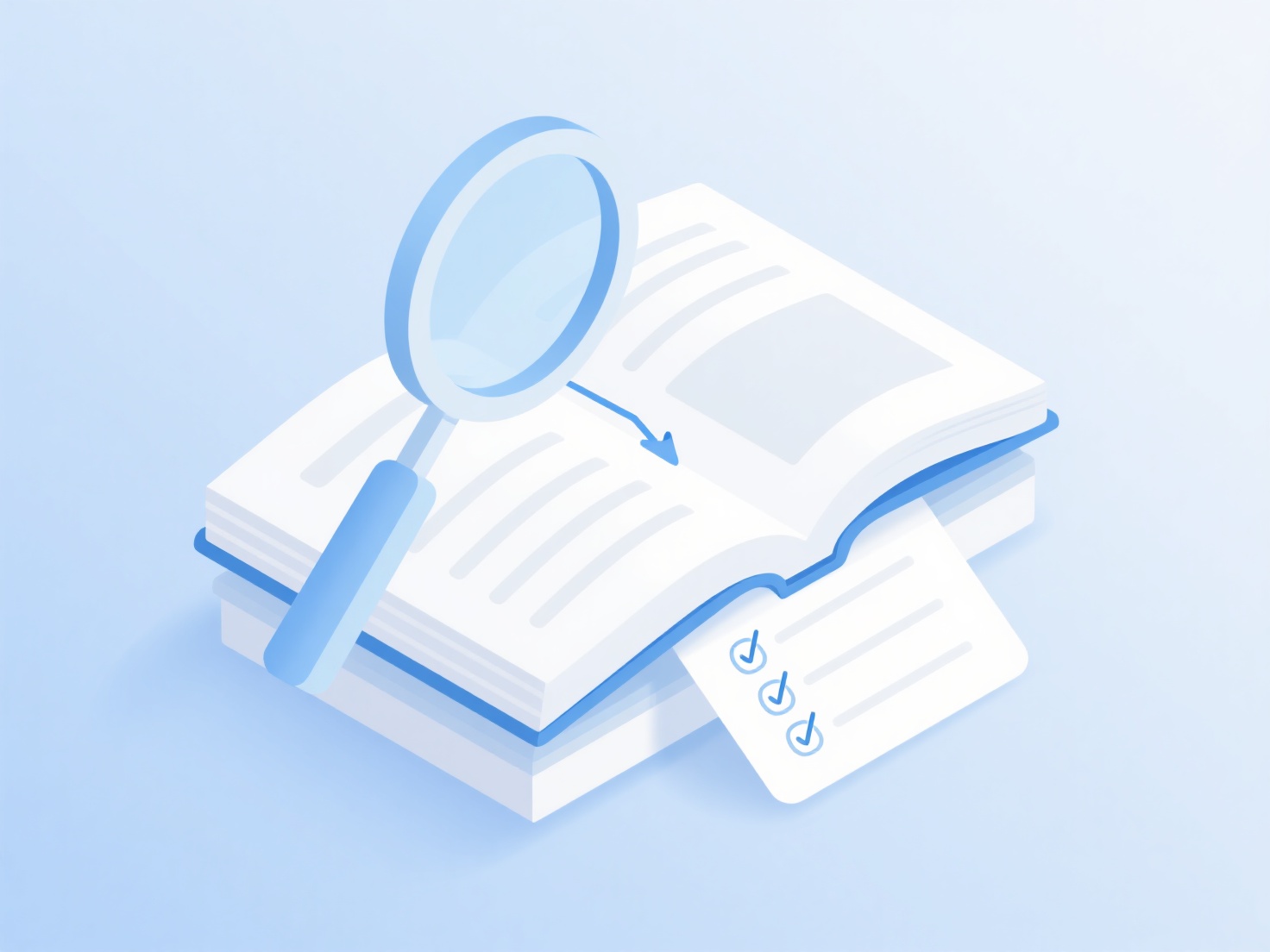
To check references for a publication, you need to systematically verify each citation in your bibliography against the original source text to ensure accuracy, correct formatting, and the absence of fabricated claims.
Checking references is a critical step before submitting any academic paper, whether it is a journal article, thesis, or literature review. It ensures your research is built on solid ground and prevents accidental plagiarism. Furthermore, with the rise of AI-assisted writing tools, verifying sources has become increasingly important to avoid accidentally citing hallucinated or fake papers.
Step-by-Step Guide to Verifying Your Citations
- Match in-text citations to your bibliography: Ensure that every source mentioned in the body of your manuscript has a corresponding entry in your reference list, and vice versa. Orphaned citations are a frequent trigger for reviewer revisions.
- Validate the publication metadata: Check the spelling of author names, publication year, article title, journal name, DOI (Digital Object Identifier), volume, issue, and page numbers. Accurate metadata ensures readers and indexing databases can easily locate the original paper.
- Confirm the context and claims: Open the original source document and verify that the paper actually supports the specific claim you are making. Misinterpreting, overstating, or cherry-picking a cited author's findings can severely damage your academic credibility.
- Check for retracted papers: Always ensure the papers you are relying on are still valid. Searching specialized databases can help you confirm that none of your cited sources have been withdrawn due to flawed data, irreproducibility, or ethical violations.
Manually checking every single citation can take hours, especially for a lengthy manuscript. To streamline this workflow, WisPaper's TrueCite automatically finds and verifies citations, eliminating the risk of hallucinated references by cross-checking your sources against a massive database of real academic literature.
Reviewing Citation Formatting Styles
Once the content of your references is verified, perform a final sweep for formatting. Ensure your bibliography adheres strictly to the required citation style of your target journal (such as APA, MLA, Chicago, or Harvard). Pay close attention to minor details like hanging indents, italicization of journal titles, and capitalization rules. While reference managers are incredibly helpful for generating initial bibliographies, a careful final manual review is always necessary to catch formatting glitches before submission.