To cite citations and avoid bias, you must always track down and read the original primary sources to ensure their findings are accurately represented, rather than relying on a secondary author's interpretation.
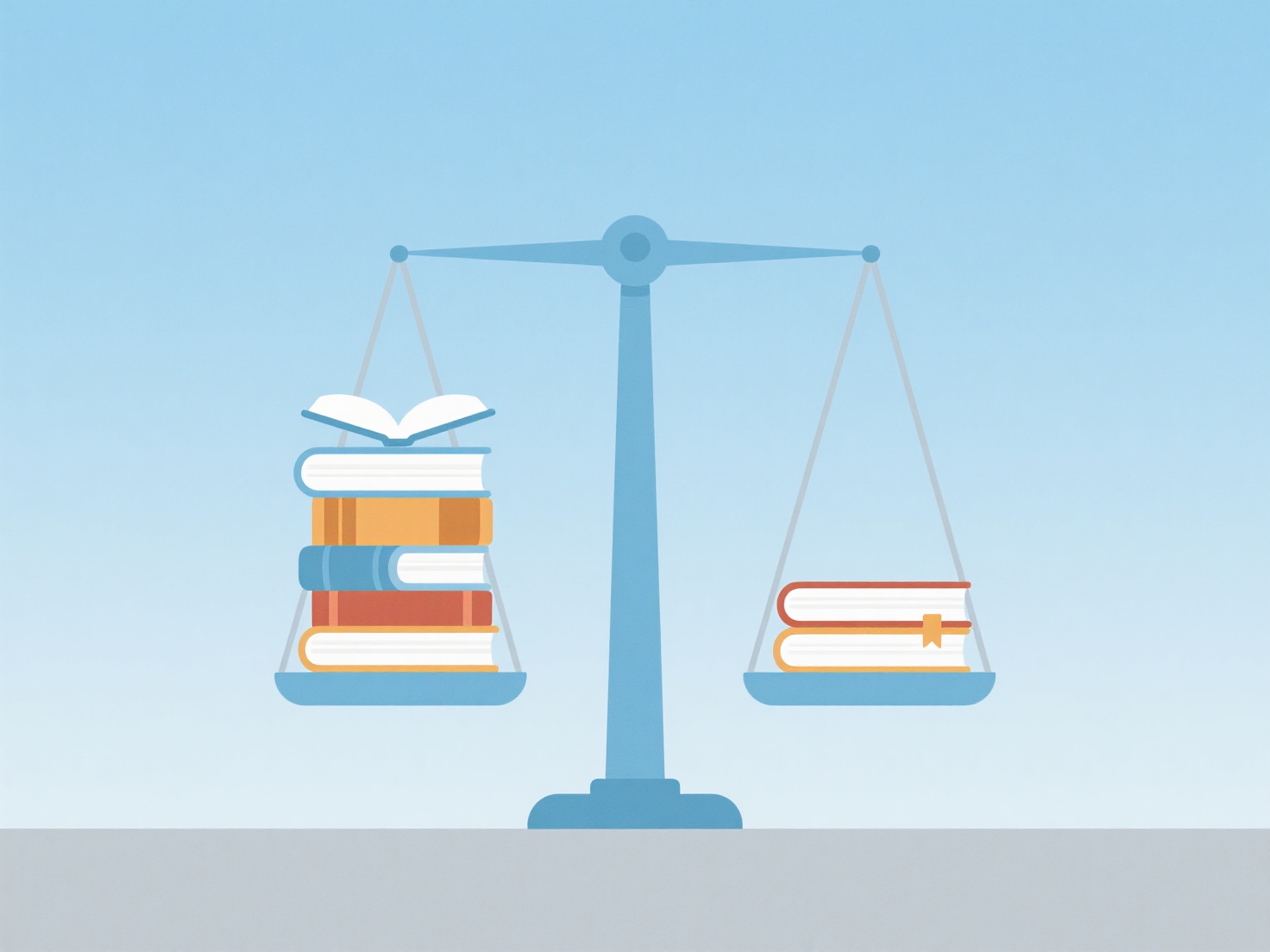
Citation bias is a common pitfall in academic writing. It happens when researchers selectively reference papers that support their own hypothesis, ignore contradictory evidence, or rely too heavily on secondary citations. Relying on someone else’s summary of a paper can lead to an academic "telephone game," where the original author's nuance is lost or unintentionally skewed to fit a different narrative.
To maintain objective research and write a highly credible literature review, follow these core strategies:
Best Practices to Eliminate Citation Bias
1. Always read the primary source
Never cite a study based solely on how another researcher described it. If Author A cites Author B, you must find and read Author B’s original paper before adding it to your bibliography. This ensures you are citing the actual data and methodology, not just a subjective interpretation.
2. Actively seek contradictory evidence
A robust academic paper acknowledges opposing viewpoints. To avoid confirmation bias, intentionally search for studies with null results or conclusions that challenge your hypothesis. Discussing these variations strengthens your argument and shows a comprehensive understanding of your field.
3. Verify the accuracy of your references
It is easy to accidentally misattribute a claim or rely on a flawed citation chain. To keep your bibliography pristine, you can use WisPaper's TrueCite, which auto-finds and verifies citations to eliminate hallucinated references and ensure you are backing your claims with genuine, accurate sources.
4. Diversify your literature search
Academic bias isn't just about cherry-picking data; it also involves who you cite. Avoid relying entirely on a small, insular circle of researchers or focusing only on papers from specific geographic regions or institutions. Make a conscious effort to include diverse voices and international journals to provide a well-rounded perspective.
5. Limit self-citations
While it is natural to build upon your previous work, excessive self-citation can artificially inflate your metrics and make your research appear biased. Only cite your past papers when they are strictly necessary to provide context for your current methodology.
Use Neutral Language When Citing
Finally, the way you write about your citations matters. Avoid using loaded reporting verbs like "proves," "fails," or "ignores," which inject your own bias into the summary of another scholar's work. Instead, rely on objective alternatives such as "demonstrates," "suggests," "investigates," or "argues."
By critically evaluating where your references come from and how you present them, you contribute to a more transparent, equitable, and trustworthy scientific dialogue.