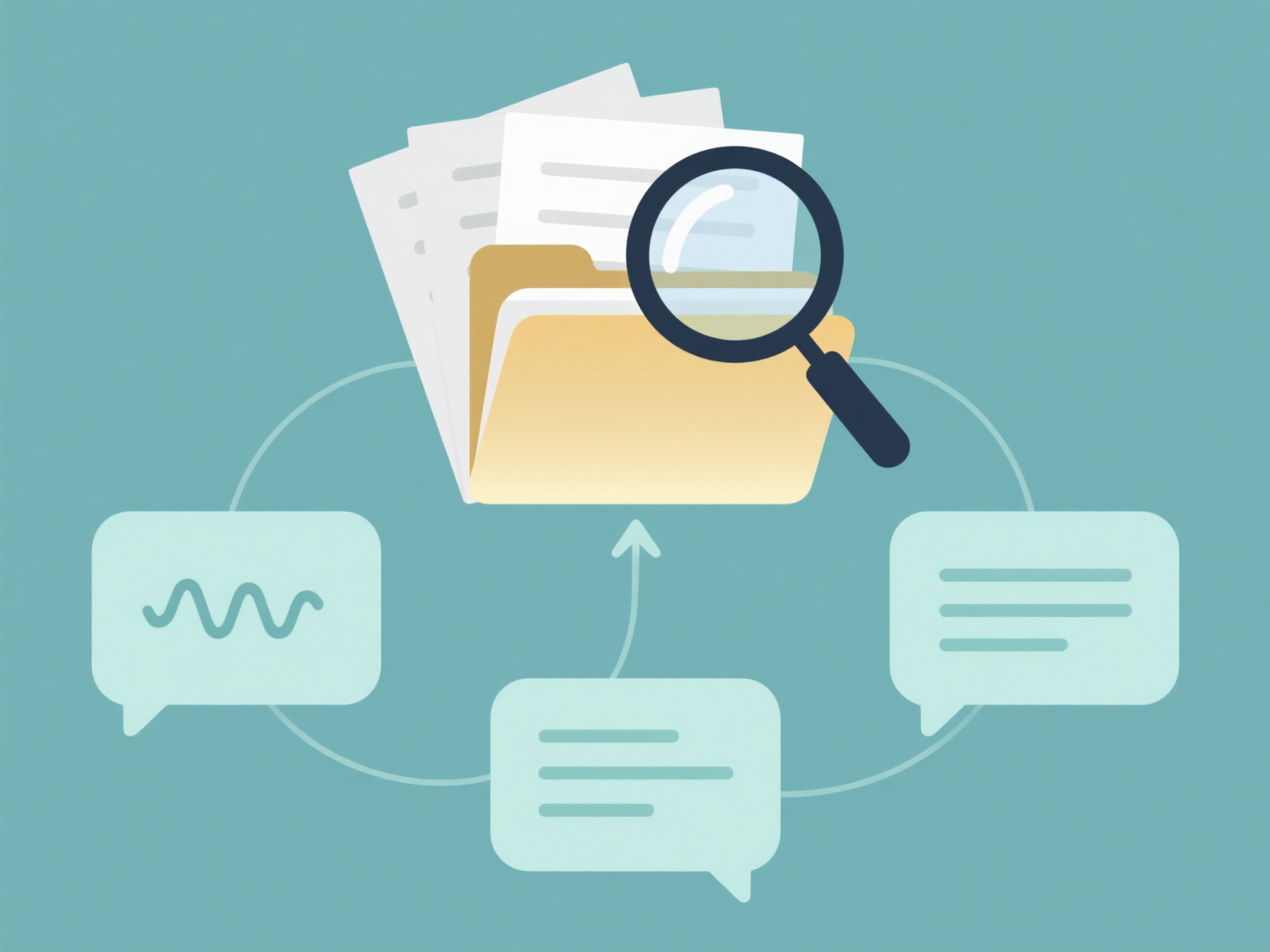
To cite interview transcripts for a meta-analysis, format them as unpublished raw data, personal communications, or archived datasets according to your required style guide while strictly maintaining participant anonymity.
When conducting a qualitative meta-analysis or systematic review, integrating primary sources like interview transcripts adds deep, contextual evidence to your research. However, because these transcripts are often unpublished or restricted for privacy reasons, standard citation rules require slight adjustments depending on where the data lives.
Identify the Type of Transcript
Before writing your reference list, you need to determine how the transcript is classified:
- Unpublished raw data: Transcripts you or your research team collected that are not publicly available.
- Personal communication: Unrecorded or informal interviews that cannot be recovered by other researchers.
- Archived datasets: Transcripts stored in a recognized institutional repository, qualitative data archive, or appended to a published study.
How to Cite Transcripts in APA Style
APA format is the standard for most social science research and systematic reviews. How you cite the transcript depends entirely on its recoverability.
For your own unpublished transcripts:
If the transcript is from your own raw data, you only need to cite it in-text. Because the reader cannot look up the source, it should not appear in your final reference list.
- In-text example: (Participant 04, personal communication, May 12, 2023) or simply introduce the quote in the narrative.
For archived or published transcripts:
If the transcript is publicly available in a repository, it must be included in your reference list so other researchers can find it.
- Reference list format: Interviewee Name or Pseudonym. (Year, Month Date). Title of the interview or transcript [Interview transcript]. Name of Archive or Repository. URL or DOI.
Best Practices for Qualitative Synthesis
- Protect Participant Privacy: Always use pseudonyms or coded identifiers (e.g., "Nurse A" or "Respondent 12") in both your narrative text and citations to comply with ethical research guidelines.
- Detail Your Methodology: In your methods section, clearly explain how the transcripts were sourced, coded, and included in your literature search.
- Manage Your References: Tracking non-standard sources like interview transcripts alongside hundreds of traditional journal articles can easily lead to formatting errors. To streamline this, WisPaper's TrueCite automatically finds and verifies your citations, eliminating the risk of hallucinated references while ensuring your APA or MLA formatting stays perfectly organized.
By properly categorizing your transcripts and following strict recoverability rules, you ensure your meta-analysis remains rigorous, ethical, and easy for other scholars to follow.