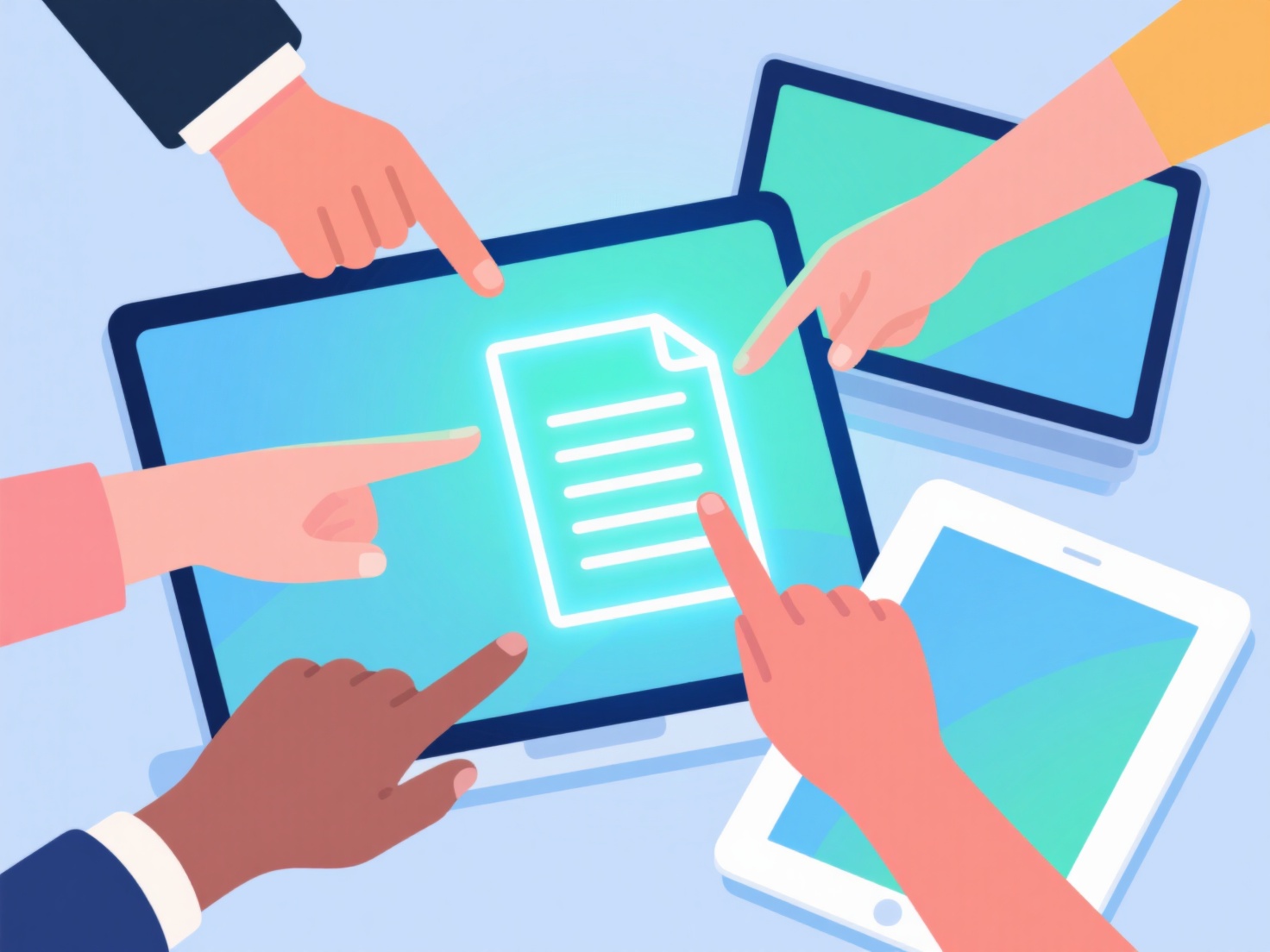
To successfully collaborate on a conference paper, you need to establish clear roles, set a realistic timeline with internal deadlines, and use shared digital tools for drafting and reference management. Co-authoring academic research allows you to combine diverse expertise, but without a solid workflow, it can quickly lead to miscommunication and missed submission dates.
Here is a practical guide to streamlining your research collaboration from the initial idea to the final submission.
Define Roles and Authorship Early
Start by deciding who will act as the lead author and how the remaining authorship order will be structured. Assign specific sections of the conference paper—such as the methodology, literature review, or data analysis—based on each researcher's strengths. Clear expectations prevent overlapping work and ensure everyone knows their exact responsibilities from day one.
Establish a Timeline with Internal Deadlines
Conference submissions have strict, non-negotiable deadlines. Work backward from the final submission date to create a shared timeline. Include specific milestones for outlining, drafting individual sections, integrating the text, and final proofreading. Always set your team's internal deadline at least a week before the actual conference deadline to account for unexpected delays or last-minute formatting issues.
Centralize Your Literature and Citations
When multiple researchers are pulling sources, managing references and formatting bibliographies can quickly become chaotic. It is crucial to ensure every claim is accurately backed up, and using WisPaper's TrueCite helps your team auto-find and verify citations, eliminating the risk of hallucinated references or formatting errors when merging different drafts. Agreeing on a unified system for tracking academic papers early on will save hours of manual editing later.
Use Collaborative Writing Tools
Avoid emailing document files back and forth, which often leads to version control nightmares. Instead, draft your manuscript using cloud-based academic writing platforms like Overleaf (ideal for LaTeX users), Google Docs, or Word Online. These tools allow for real-time co-authoring, easy comment tracking, and seamless integration of feedback, keeping the entire team on the same page.
Review and Refine as a Single Voice
A common issue with co-authored conference papers is that they can read like a patchwork of different writing styles. Once all the sections are drafted, designate one person—usually the lead author—to perform a final, comprehensive edit. This step ensures the manuscript maintains a cohesive academic tone, logical flow, and consistent formatting before you finally submit it for peer review.