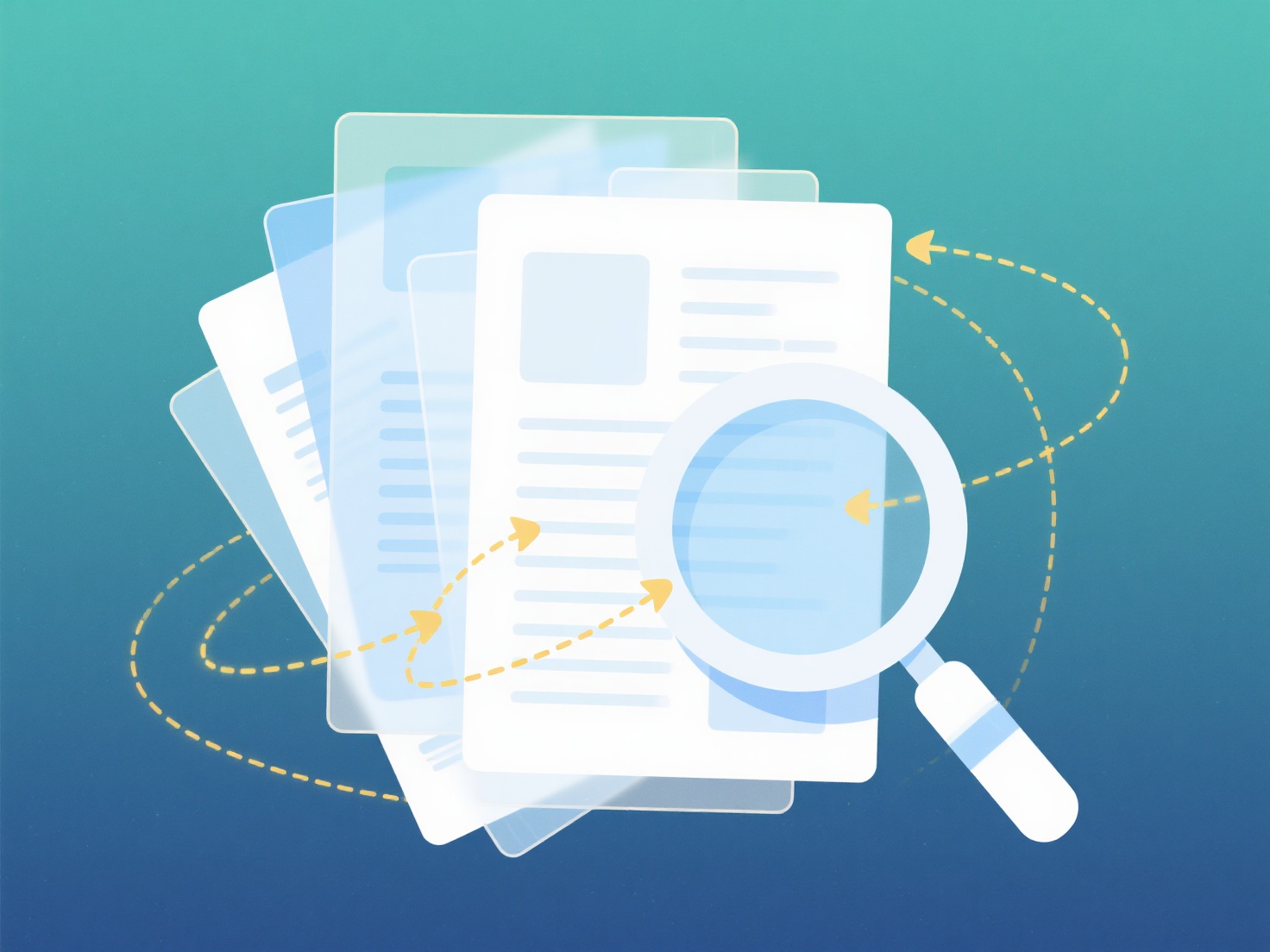
To cross-reference academic information, you need to verify claims by tracing them back to their original sources and comparing those findings against other peer-reviewed literature. Cross-referencing is a crucial part of the literature review process because it ensures the accuracy of your research, helps you avoid citing retracted papers, and strengthens your academic arguments.
Here is a step-by-step guide to effectively cross-referencing academic sources:
1. Trace Claims to the Primary Source
When you read a paper that makes a strong claim and cites another study, do not take it at face value. Authors sometimes misinterpret or oversimplify secondary sources. Always track down the primary source to read the original methodology and results. This ensures the data actually supports the point you intend to make in your own work.
2. Verify Citation Accuracy
Check the bibliography to confirm that the references are real, accurate, and properly attributed. Because manually checking every reference can be incredibly time-consuming, you can use WisPaper's TrueCite to automatically find and verify citations, eliminating the risk of relying on hallucinated or incorrect references. Validating your bibliography protects your academic credibility.
3. Conduct Forward and Backward Citation Searching
Use citation tracking to see how an idea has evolved over time. "Backward searching" involves looking through a paper's reference list to find older, foundational studies. "Forward searching" involves finding newer papers that have cited the study you are currently reading. This helps you map out the academic conversation and see if recent research has built upon or debunked the original claims.
4. Compare Conflicting Perspectives
Cross-referencing isn't just about confirming facts; it is about evaluating the broader academic consensus. Search academic databases for studies with similar methodologies or research questions. If multiple independent studies yield the same results, the information is highly reliable. If there is conflicting data, acknowledge the debate in your writing rather than ignoring the opposing evidence.
5. Check for Retractions and Corrections
Before finalizing your sources, ensure none of the papers have been retracted or issued major corrections. Even highly cited papers are occasionally withdrawn due to flawed data, poor methodology, or ethical issues. Cross-referencing your sources against academic retraction databases guarantees that your research is built on a scientifically sound foundation.