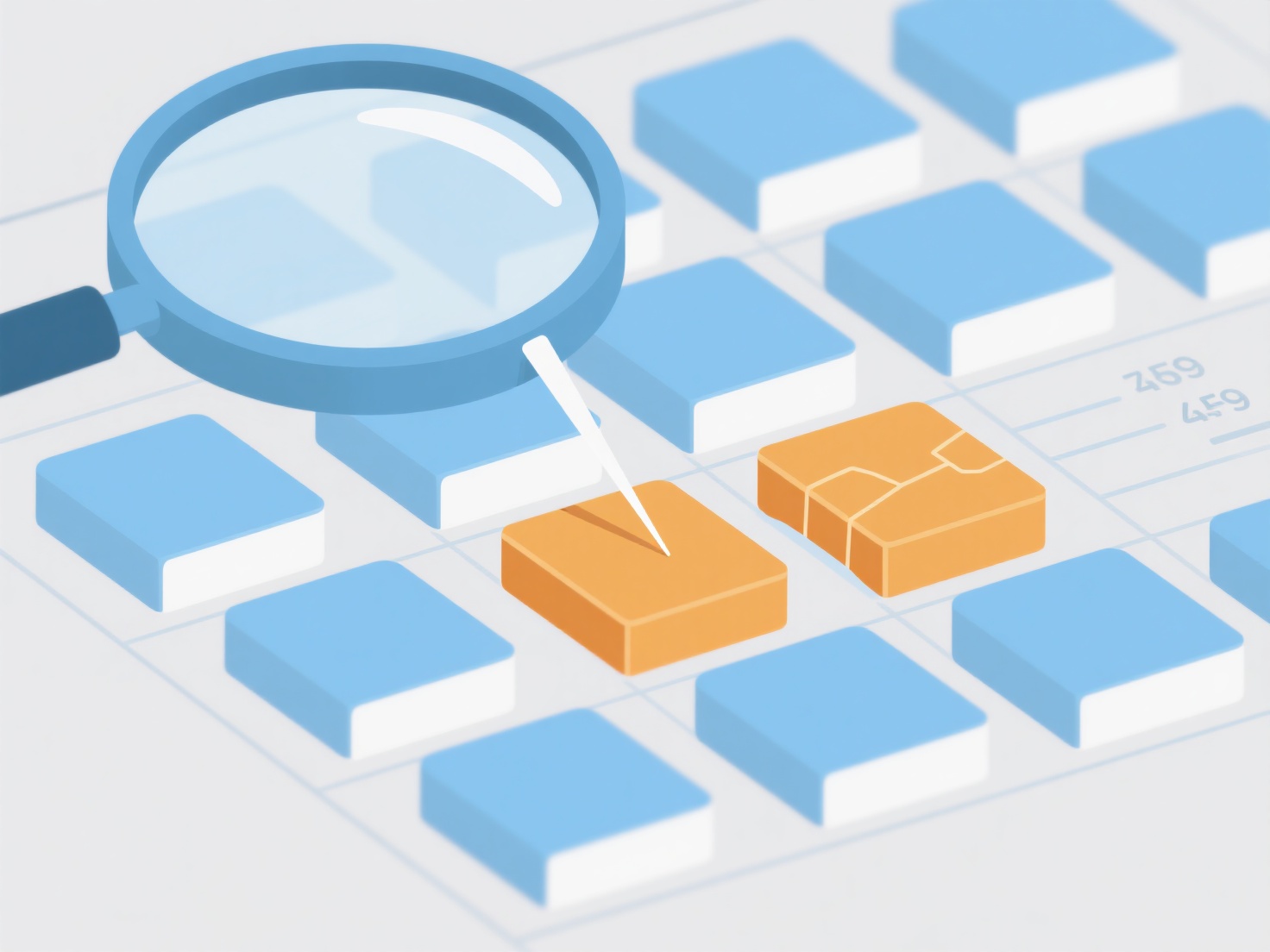
To discern data integrity in academic research, you must evaluate the completeness, accuracy, and consistency of the data by reviewing the study's methodology, checking for statistical anomalies, and verifying the availability of raw datasets.
Ensuring data validation is a critical step when conducting a literature review or building upon existing research. Poor data integrity—whether due to honest errors, sloppy data management, or intentional manipulation like p-hacking—can severely compromise the reliability of a study's conclusions.
Steps to Evaluate Data Integrity
1. Scrutinize the Methodology
A transparent and well-designed methodology is the foundation of trustworthy data. Check if the authors clearly explain their data collection methods, inclusion and exclusion criteria, and the tools used for measurement. Vague descriptions of how data was gathered, processed, or cleaned are often red flags.
2. Look for Open Data and Transparency
In the current era of open science, reputable researchers increasingly publish their raw datasets alongside their papers. Look for links to data repositories (such as GitHub, Figshare, or OSF) in the supplementary materials or data availability statements. When raw data is openly available for public scrutiny, the likelihood of data fabrication drops significantly.
3. Check for Statistical Anomalies
Examine the results section for statistical inconsistencies. Are the standard deviations realistic, or do the results look "too perfect"? Be wary of p-hacking, where researchers manipulate data analysis until non-significant results artificially become significant. Additionally, visual representations like graphs and charts should accurately reflect the text without misleading scales or cropped axes.
4. Assess Reproducibility
The gold standard for proving data integrity is research reproducibility. A reliable paper should provide enough detail that another scientist could perform the exact same study and achieve similar outcomes. If you want to test a study's methodology yourself, WisPaper's PaperClaw lets you upload a paper PDF and automatically generates a full experiment reproduction plan, helping you efficiently replicate results and verify the data's validity in the real world.
5. Review the Publication Source and Citations
Consider where the research was published. Journals with rigorous peer review processes and strict editorial standards are more likely to catch data integrity issues before publication. Furthermore, check if the paper's citations actually support its foundational claims, as misrepresenting prior research can indicate a broader lack of academic rigor.
By critically analyzing these elements, you can confidently filter out unreliable studies and ensure that your own academic work is built on a foundation of verified, high-quality data.