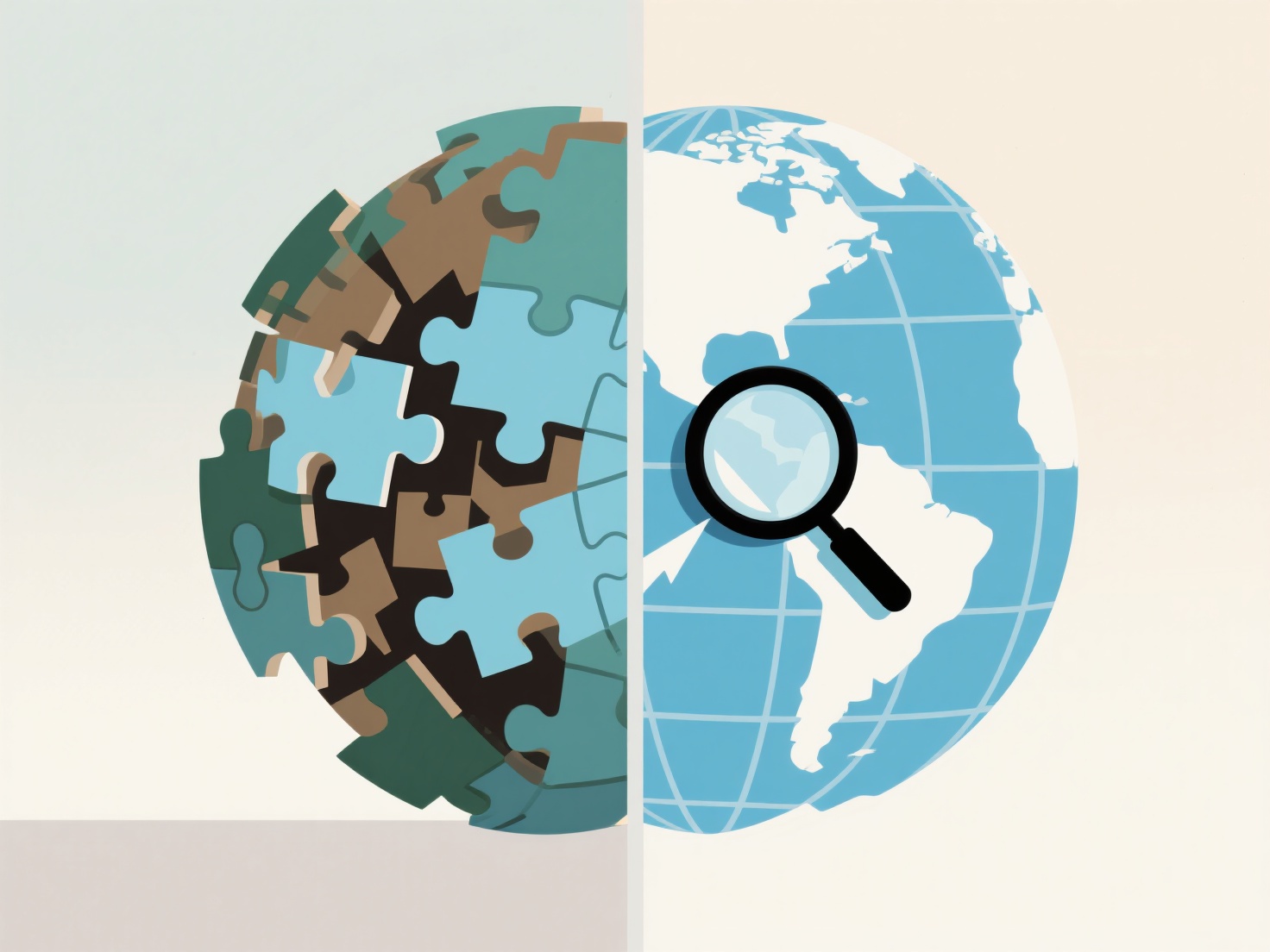
To discern misinformation online, you must critically evaluate the source's credibility, cross-check claims with established facts, and verify the authenticity of all cited references.
Misinformation can spread rapidly, especially when it is disguised as credible research or news. For graduate students and early-career researchers, relying on false data or unverified claims can easily derail a project. By developing strong digital literacy habits, you can quickly filter out unreliable content. Here are practical steps to identify and avoid online misinformation.
Investigate the Source and Author
Always check who is publishing the information before accepting it as fact. Look for an author biography or an "About Us" page to determine their expertise, credentials, and potential biases. Be particularly wary of websites with URLs that mimic reputable news outlets or academic journals but end in unusual domains or slight misspellings.
Practice Lateral Reading
Instead of staying on the same webpage to judge its reliability, open new tabs to see what other trusted sources say about the site or the claim. This technique, known as lateral reading, helps you quickly identify whether a consensus exists among credible organizations or if the claim is isolated and unverified.
Verify Citations and References
Sophisticated misinformation often uses fake, outdated, or misrepresented citations to appear authoritative. Always trace statistics, quotes, and studies back to their original context. When evaluating academic claims, WisPaper's TrueCite automatically finds and verifies citations to eliminate hallucinated references, ensuring you are building your understanding on legitimate science. If an article provides no references to back up sweeping claims, treat it with high skepticism.
Look Out for Emotional Manipulation
Misinformation is frequently designed to trigger strong emotional responses like anger, fear, or validation. If a headline uses sensationalized language, excessive punctuation, or clickbait tactics, take a step back. Objective, evidence-based writing typically relies on neutral language and presents data without aggressively trying to sway your emotions.
Check the Publication Date
A common tactic for spreading misinformation involves sharing outdated news or older research out of context to fit a current narrative. Always check the publication date of the article and its supporting evidence. Even if the information was accurate at the time of publishing, scientific consensus and current events evolve, so you must ensure the data is still relevant to the present situation.