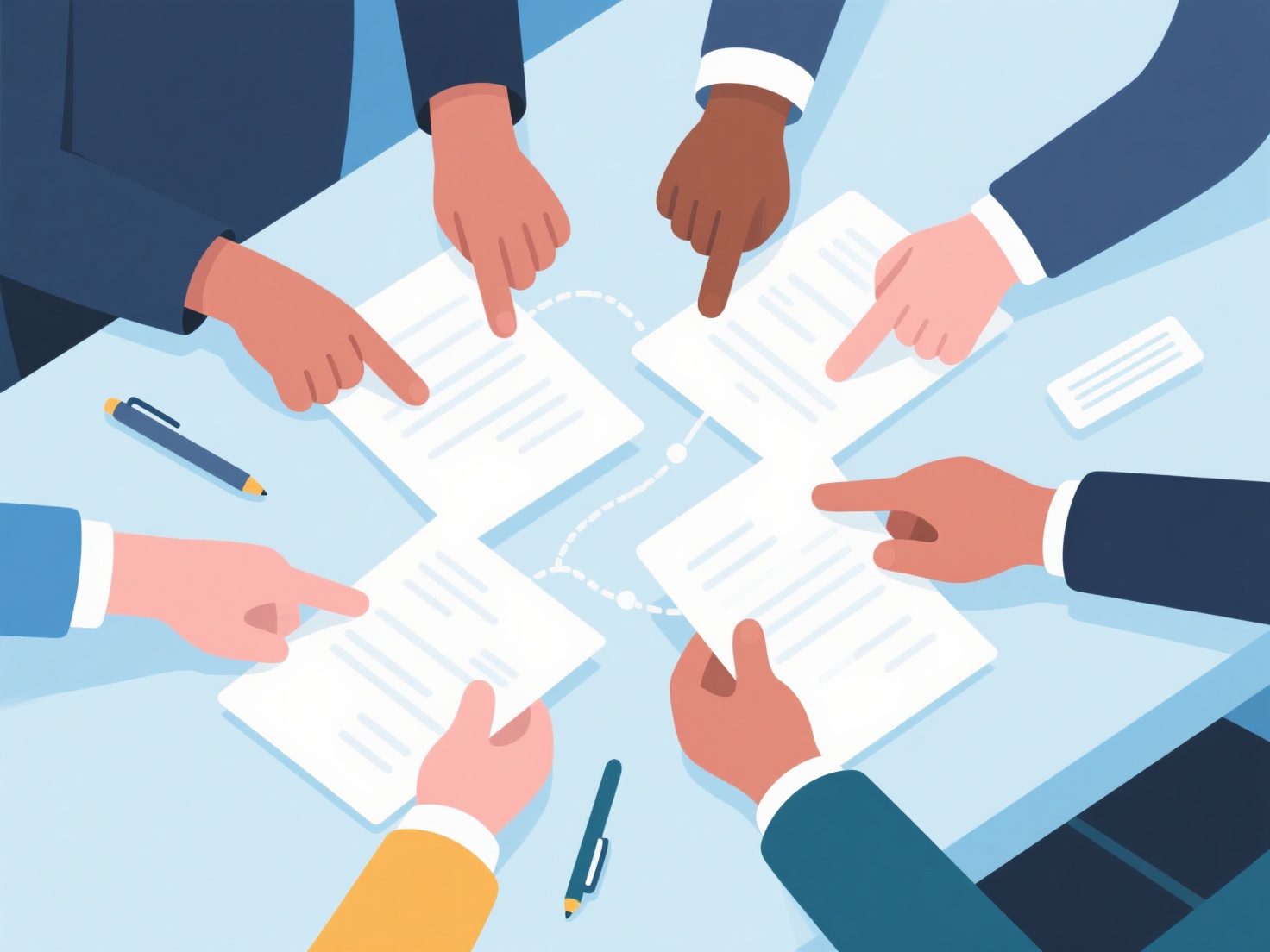
To draft a primary source with a team, you must assign clear authorship roles, establish a centralized shared workspace, and build a comprehensive outline before writing begins.
Collaboratively authoring an original research manuscript—which serves as a primary source for future scholars—requires excellent communication and organization. When multiple researchers contribute to the same document, it is easy to run into disjointed writing styles, missing citations, or version control nightmares. Following a structured collaborative process ensures your empirical data and analysis come together seamlessly.
1. Define Clear Roles
Start by dividing the manuscript based on each team member's expertise. For example, the principal investigator might draft the discussion, the data analyst handles the results section, and a research assistant tackles the methodology. Always assign a "lead author" who will be responsible for the final review and submission.
2. Establish a Centralized Workspace
Avoid emailing documents back and forth. Set up a cloud-based word processor for real-time co-authoring. You will also need a shared space for your literature and raw data. Keeping track of shared PDFs and references is much easier when you use a tool like WisPaper's My Library, which acts as a centralized reference manager and allows you to chat with your uploaded papers via AI to quickly extract relevant notes for your draft.
3. Build a Standardized Outline
Before anyone writes a single paragraph, map out the entire paper. Agree on the core argument, the structure of your headings, and standard terminology. This is also the time to decide on your target journal's formatting requirements and your chosen citation style, whether that is APA, MLA, or Chicago.
4. Draft Independently, Review Collaboratively
Once the outline is set, team members should draft their assigned sections independently. When reviewing each other's work, use the "suggesting" or "commenting" features rather than directly deleting a co-author's text. This preserves the original ideas, prevents accidental data loss, and fosters healthy academic debate.
5. Unify the Voice
A common pitfall of team drafting is the "Frankenstein" effect, where the paper reads like several different people wrote it. Have one person—usually the lead author—do a comprehensive final editing pass. Their goal is to smooth out transitions, standardize the academic tone, verify all references, and ensure the narrative flows logically from the introduction to the conclusion.