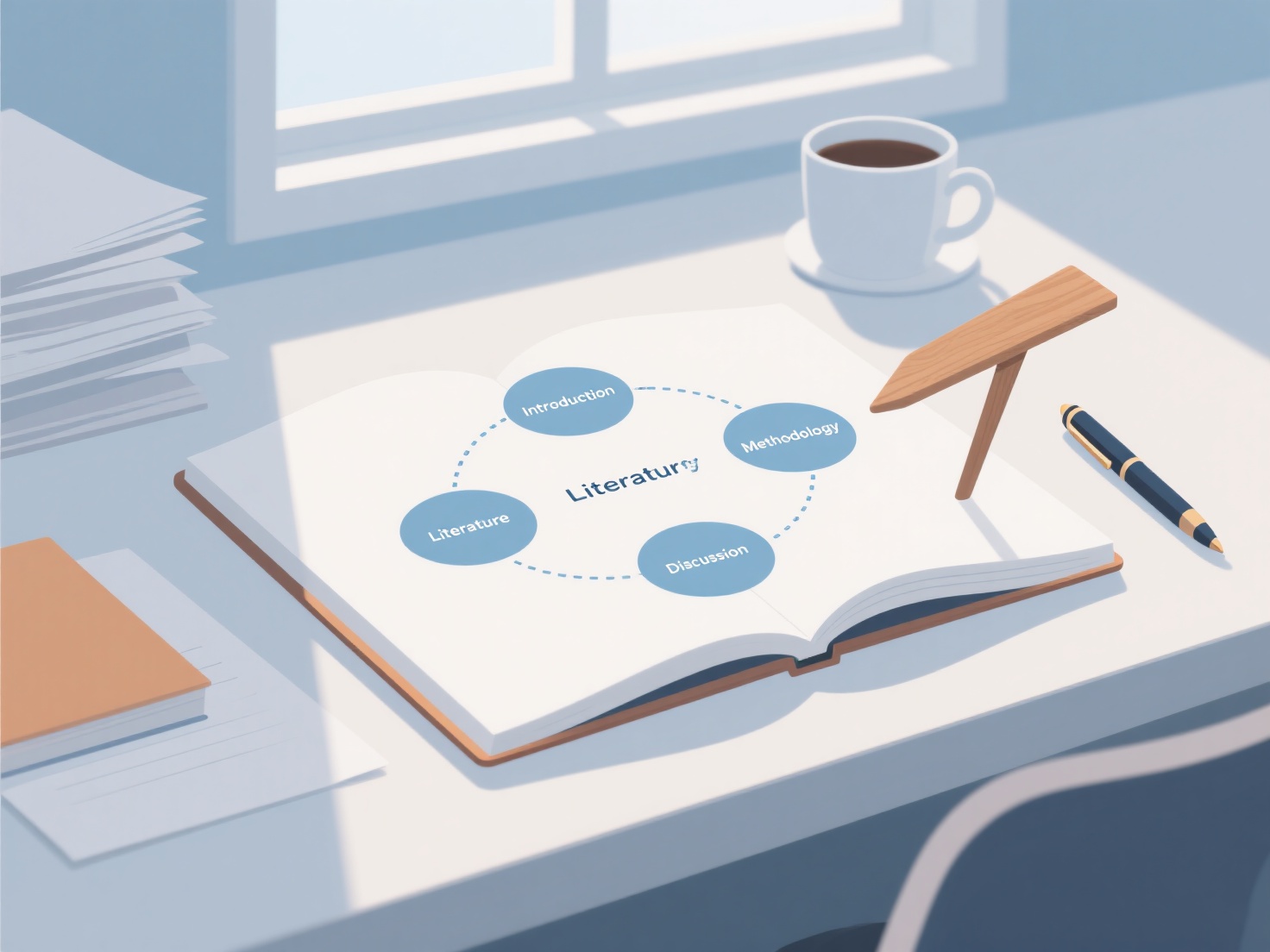
To draft thesis chapters effectively, you should create a detailed outline for each section, start writing the easiest chapters first, and focus on getting your ideas down before editing for flow and academic tone.
Writing a thesis or dissertation can feel overwhelming, but breaking the process down into manageable steps makes drafting much more approachable. Here is a practical approach to tackling your thesis chapters without burning out.
1. Build a Detailed Outline
Before writing a single paragraph, outline the specific chapter you are working on. Break the chapter down into main headings, subheadings, and bullet points covering the key arguments or data you need to include. A strong thesis structure acts as a roadmap, preventing writer's block and keeping your arguments logically aligned with your overall research question.
2. Write Out of Order
You do not have to write your dissertation chronologically. Most graduate students find it easier to start with the Methodology or Results chapters, as these are highly descriptive and based on the work you have already completed. Save the Introduction and Conclusion for last, as it is much easier to introduce your research after you know exactly what the body chapters contain.
3. Separate Drafting from Editing
One of the biggest hurdles in academic writing is the urge to perfect every sentence as you type. During the drafting phase, turn off your inner critic. Focus purely on getting your ideas, arguments, and evidence onto the page. You can always refine the academic tone, fix awkward transitions, and correct grammatical errors during the revision process.
4. Organize Your Literature and Citations
Drafting chapters like the Literature Review requires synthesizing a massive amount of previous research, and keeping track of who said what is critical. To avoid losing your sources, you can use WisPaper's My Library to organize your references and chat with your uploaded papers via AI to quickly retrieve specific findings or quotes while you write. Keeping your literature organized prevents you from interrupting your writing flow to hunt down a missing PDF.
5. Set Micro-Deadlines
Instead of setting a vague goal to "write chapter two," set a micro-deadline to "draft 500 words on the data collection process by Friday." Smaller, actionable goals keep your writing process moving forward consistently. This helps you build momentum, establish a daily writing habit, and avoid the stress of looming final deadlines.