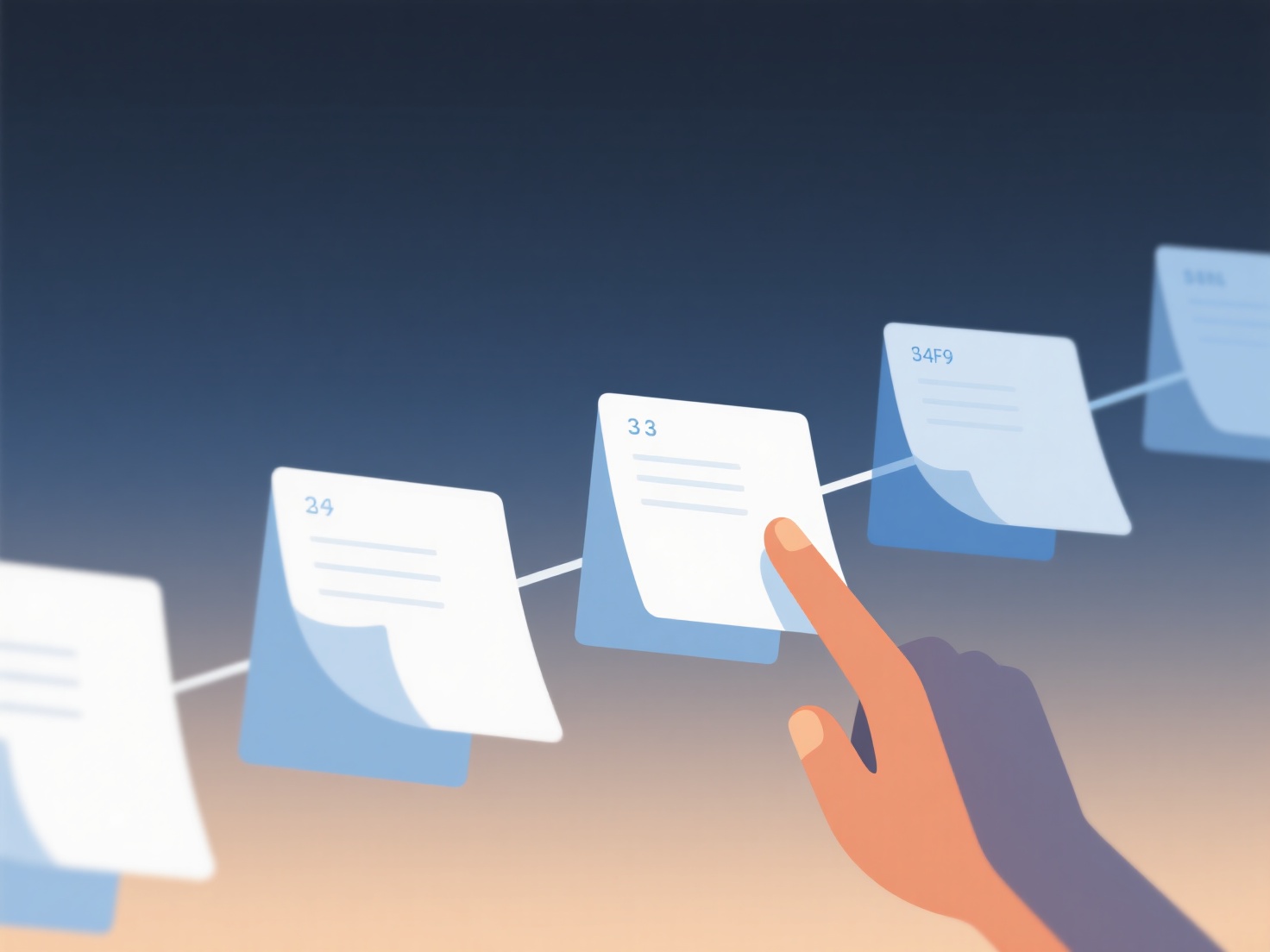
To evaluate research notes by date, you should organize your entries chronologically to track the evolution of your ideas, assess the current relevance of older sources, and identify gaps in your recent reading.
Reviewing your notes along a timeline is a powerful way to see how your understanding of a topic has grown. Whether you are conducting a systematic literature review or drafting a thesis, evaluating your notes chronologically helps you separate outdated concepts from current findings and builds a clear narrative for your writing.
Step-by-Step Guide to Evaluating Notes by Date
1. Sort Your Notes Chronologically
Begin by arranging your notes from oldest to newest. You can do this by the date the research paper was published or by the date you actually took the notes. Sorting by publication date helps you understand the historical development of a field, while sorting by your note-taking date highlights the progression of your own research focus.
2. Assess the Currency of the Information
Once sorted, look closely at your older notes. Academic research moves quickly, so a methodology or finding you noted two years ago might now be obsolete. Ask yourself if the claims in those early notes have been challenged, verified, or updated by the more recent papers in your timeline.
3. Track the Evolution of Your Ideas
Read through your notes chronologically to see how your research questions have shifted. You will likely notice that your early notes are broad and exploratory, while your recent notes are highly specific. Tracing this path helps you outline a strong, logical flow for your paper's introduction or literature review.
4. Identify Timeline Gaps
Are there periods where you stopped taking notes on a specific variable or theory? Evaluating by date makes these gaps obvious, showing you exactly where you need to conduct a fresh literature search to bridge the missing months or years of research.
Best Practices for Managing Research Timelines
To make future evaluations easier, always include a standardized date format (like YYYY-MM-DD) at the top of every note file. Additionally, keeping your digital workspace centralized prevents older notes from getting lost in forgotten folders. To make this process seamless, you can use WisPaper's My Library to organize your references chronologically and chat with your uploaded documents via AI to instantly retrieve specific annotations and ideas from past reading sessions.
By building a habit of periodically reviewing your notes by date, you ensure your final manuscript is built on a foundation of current, well-organized evidence.