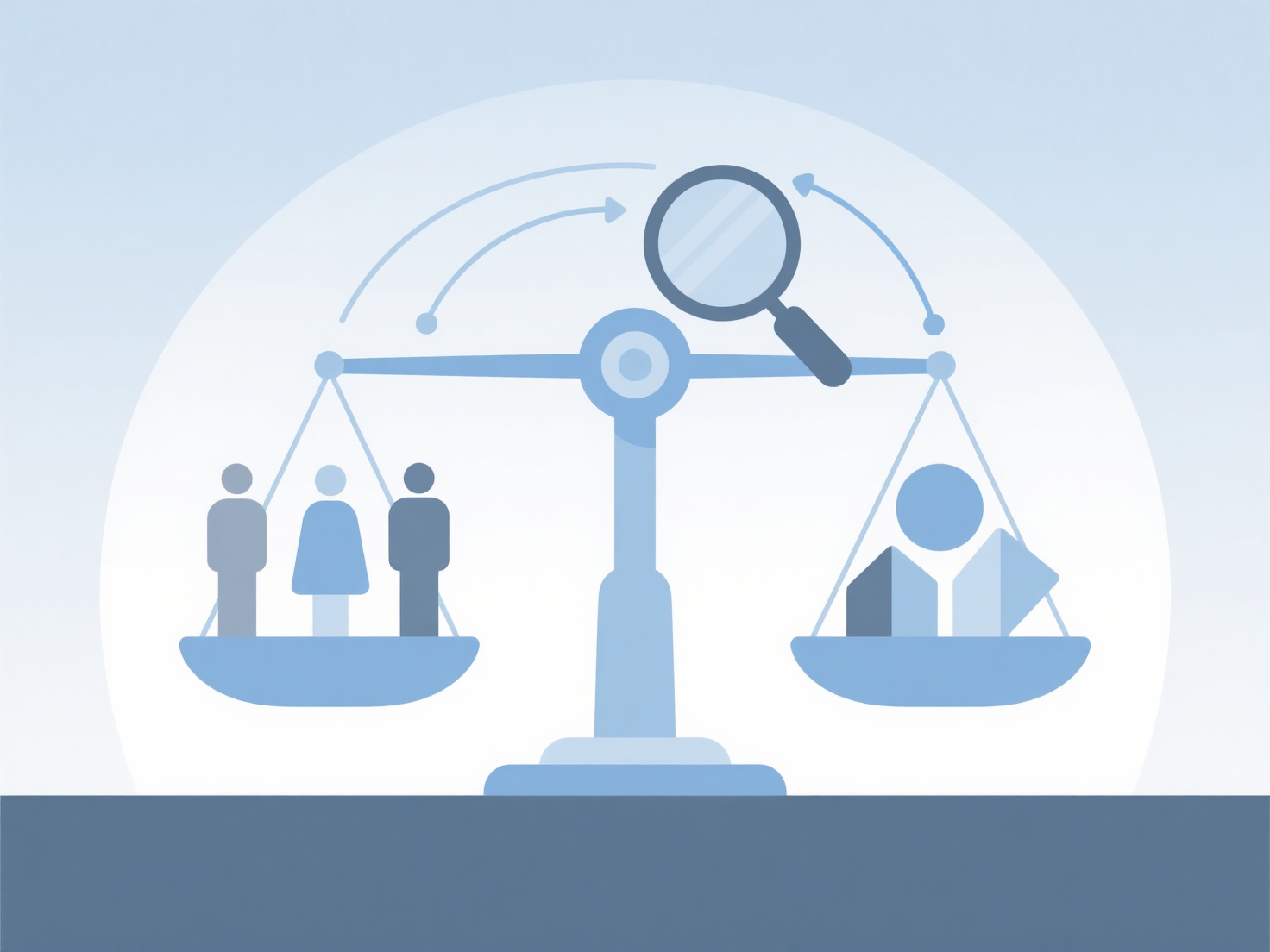
To judge bias in an academic paper without letting your own bias interfere, you must rely on a standardized set of objective criteria to evaluate the methodology, funding sources, and data validity. As a researcher, it is easy to fall into the trap of confirmation bias—favoring studies that support your existing hypothesis while unfairly scrutinizing those that do not.
By using a structured approach to literature evaluation, you can keep your personal beliefs in check and assess scholarly articles fairly.
1. Analyze the Methodology and Sample
The most objective way to spot bias is by looking at how the research was actually conducted. Check the sample size and demographics. Is the sample representative of the broader population, or is it heavily skewed? Look for the presence of control groups, randomization, and blinding in experimental designs. A poorly designed study often indicates a bias toward achieving a specific, predetermined outcome.
2. Follow the Funding and Affiliations
Conflicts of interest are a primary source of bias in academic research. Always check the funding declarations and author affiliations, usually found at the end of the paper. If a pharmaceutical study is funded by the company manufacturing the drug, or an environmental study is sponsored by an oil corporation, you must scrutinize the results more rigorously for potential financial bias.
3. Verify the Claims and Evidence
Does the data actually support the author's conclusion, or are they overstating their findings? Look out for cherry-picked data where researchers only highlight results that fit their narrative while ignoring contradictory evidence. If you want to objectively verify claims without relying on your own assumptions, you can use WisPaper's Scholar QA to ask specific questions about the paper's data and get answers traced directly back to the exact page and paragraph. This ensures your critique is grounded entirely in the text rather than your interpretation of it.
4. Evaluate the References
A balanced paper will cite a variety of perspectives, including literature that contradicts its primary thesis. If a paper only cites sources that agree with its premise—or relies heavily on self-citation—it may suffer from citation bias. Reviewing the bibliography is a quick way to gauge the author's objectivity and thoroughness.
5. Watch for Emotive Language
Scholarly articles should maintain a neutral, objective tone. If the authors use inflammatory, highly persuasive, or emotionally charged language, they may be trying to mask weak data with strong rhetoric. Look for objective phrasing and cautious conclusions (e.g., "the data suggests" rather than "this definitively proves").
By applying these standardized checks to every paper you read, you can effectively filter out both the author's bias and your own, ensuring your research remains rigorous, objective, and trustworthy.