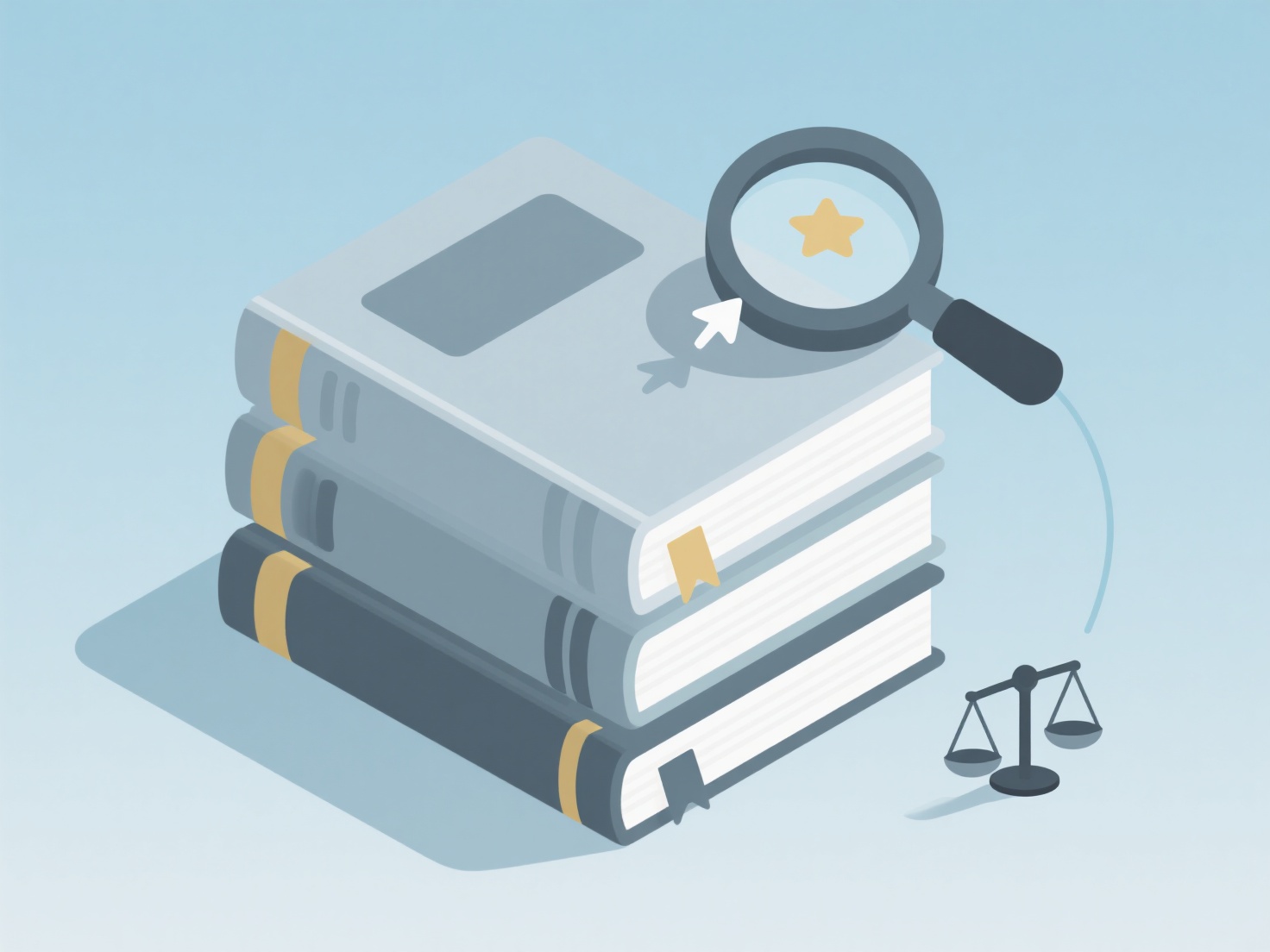
You can judge journal quality by verifying its indexing in reputable academic databases, evaluating its citation metrics like Impact Factor, assessing the transparency of its peer-review process, and checking for signs of predatory publishing.
Publishing in or citing from a reputable journal is crucial for building credibility in your academic career. With thousands of publications available today, knowing how to separate top-tier journals from low-quality ones is an essential skill for any researcher. Here is a practical guide to evaluating a journal's academic standing.
Check Reputable Indexing Databases
The fastest way to verify a journal's legitimacy is to see where it is indexed. High-quality journals are rigorously vetted before being accepted into major academic databases like Web of Science, Scopus, PubMed, or IEEE Xplore. For open-access publications, check if the journal is listed in the Directory of Open Access Journals (DOAJ). If a journal claims to be international but is absent from these recognized directories, you should proceed with caution.
Evaluate Journal Metrics
Citation metrics provide a quantitative measure of a journal's influence within its specific field. The most common metric is the Journal Impact Factor (JIF), but you should also look at the SCImago Journal Rank (SJR), CiteScore, or the journal's h-index. While metrics should never be the only deciding factor, a consistent or growing Impact Factor generally indicates that the broader research community trusts and frequently cites the journal's articles.
Assess the Editorial Board and Peer Review
A rigorous peer-review process is the backbone of academic integrity. Quality journals clearly outline their review procedures, expected timelines, and ethical guidelines on their website. Additionally, take a close look at the editorial board. It should consist of recognized experts, active researchers, and professors from respected universities in your discipline.
Watch Out for Predatory Journals
Predatory publishers exploit the open-access model by charging high article processing charges (APCs) without providing proper peer review or basic editorial services. Common warning signs include aggressive email invitations to submit papers, guaranteed ultra-fast publication times (e.g., acceptance in a few days), and poorly designed websites. You can cross-reference suspicious journals using tools like Cabell’s Predatory Reports or the archived Beall’s List to ensure you aren't falling for a scam.
Focus on High-Quality Literature
Sifting through databases to ensure you are only reading from reputable journals can take hours of manual filtering. To streamline this process, you can use WisPaper's Scholar Search, which understands your underlying research intent rather than just matching keywords, automatically filtering out 90% of the noise so you can focus directly on credible, highly relevant papers. Ultimately, reading articles from the journals frequently cited by your own professors and peers is one of the safest ways to guarantee quality.