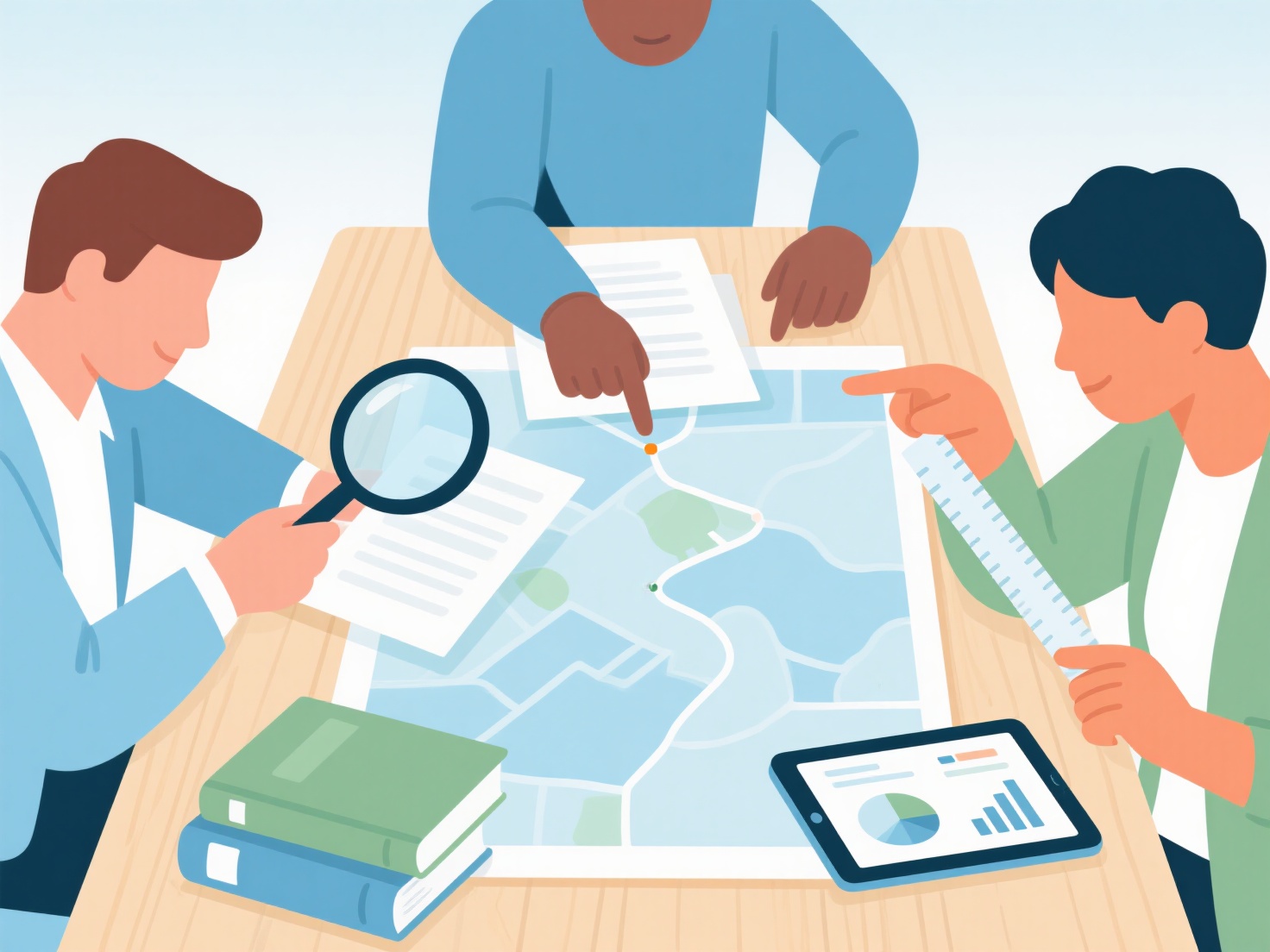
To successfully navigate secondary sources with a research team, you must establish a centralized reference library, define clear search parameters, and use standardized tagging to prevent duplicated efforts.
Secondary sources—such as literature reviews, systematic reviews, meta-analyses, and academic books—are incredibly valuable for understanding the broader context of your research topic. However, when multiple team members are reviewing these materials simultaneously, it is easy to overlap, lose track of key citations, or create disorganized bibliographies.
Here is a practical workflow to keep your team aligned during the literature search process.
1. Create a Centralized Hub
Before anyone starts gathering documents, set up a shared digital workspace. Avoid emailing PDFs or relying on fragmented local folders. Instead, use a collaborative reference management tool where everyone can access the same library. For instance, using WisPaper's My Library feature allows your team to organize shared papers into folders and even use AI to chat directly with your uploaded documents to quickly extract key themes.
2. Divide and Conquer by Scope
To avoid having two researchers read the exact same review article, assign clear boundaries. You can divide the workload by specific sub-topics, publication years, or theoretical frameworks. Clear assignments ensure that the literature search remains efficient and covers the maximum amount of ground without redundant work.
3. Standardize Your Tagging and Notes
A shared library is only useful if everyone understands how it is organized. Agree on a universal naming convention for files and a consistent tagging system. Use specific labels like "Methodology Overview," "Historical Context," or "Conflicting Theories." Additionally, require team members to leave brief, standardized annotations on each secondary source so others can instantly grasp its relevance without rereading the entire text.
4. Track Primary Sources Found Within
Secondary sources are essentially roadmaps to primary literature. When a team member is reading a review and spots a highly relevant original study in the bibliography, there needs to be a system for capturing it. Create a dedicated "Primary Sources to Pull" folder or spreadsheet. This ensures your team successfully traces synthesized claims back to their original experimental origins.
5. Schedule Regular Synthesis Meetings
Navigating academic literature as a group requires active communication. Hold brief, regular check-ins to discuss the secondary sources each member has processed. This helps the team connect different perspectives, identify overarching trends in the field, and collaboratively refine the focus of your own upcoming research project.