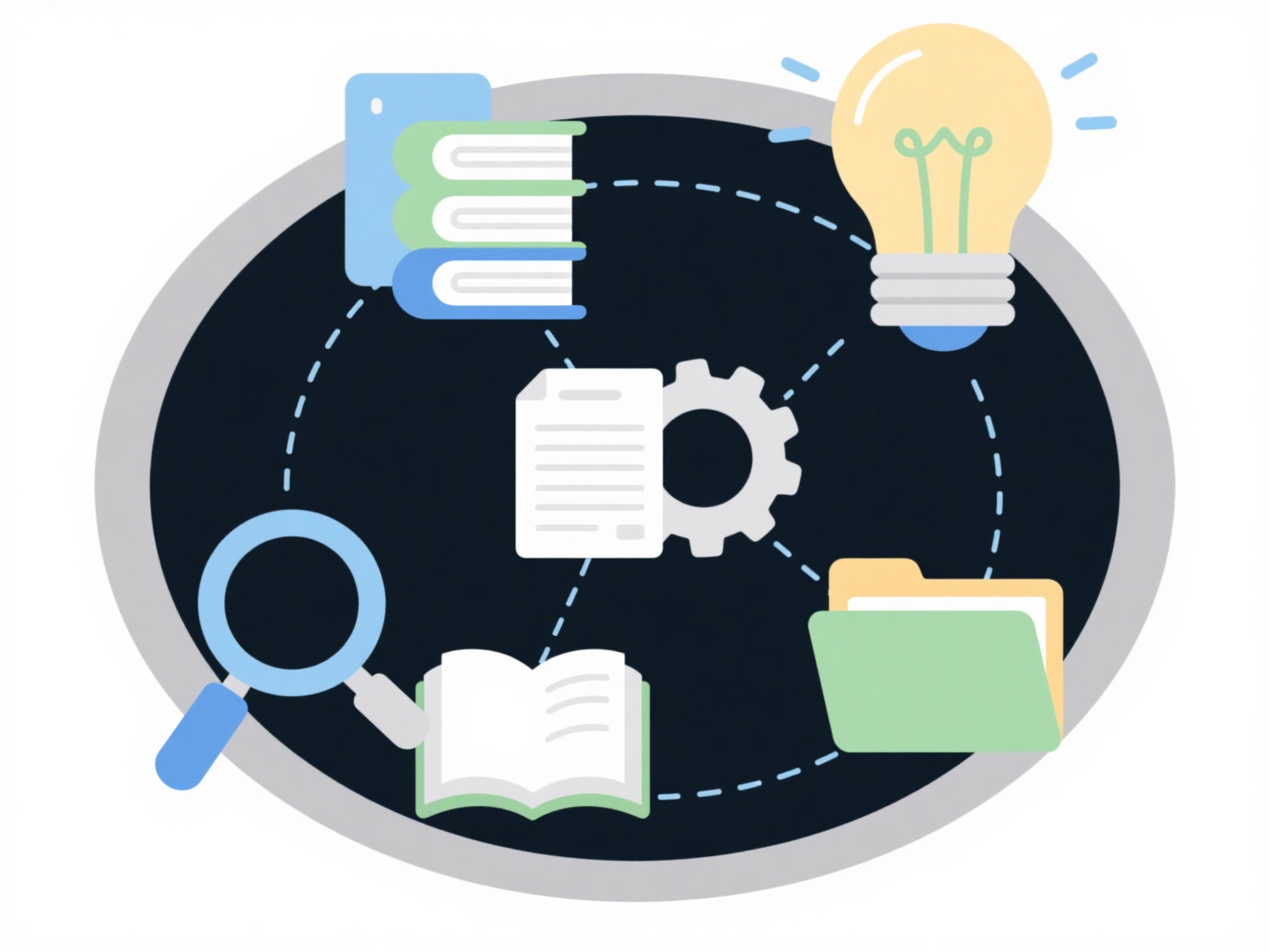
Processing scholarly works requires a systematic approach of skimming for relevance, reading actively for comprehension, extracting key claims, and synthesizing the findings into your own research. Attempting to read every academic paper from beginning to end is a common trap for early-career researchers that quickly leads to information overload. To efficiently digest complex literature, you need a structured workflow.
1. Skim for Relevance First
Before committing to a full read, determine if the paper is actually useful for your literature review. Start by reading the abstract. If the study aligns with your topic, jump directly to the introduction and the conclusion. This top-down approach reveals the author's primary research question and their final findings, helping you decide if the article deserves a deeper dive.
2. Read Actively and Annotate
Once you decide a paper is worth your time, engage with the text actively. Instead of passively highlighting long sentences, write brief notes in the margins summarizing complex paragraphs in your own words. Identify the research gap the authors are addressing, their main hypotheses, and the limitations of their study. Active annotation prevents you from having to re-read the entire document later when you start writing.
3. Extract and Verify Key Claims
The core of processing an academic article is understanding its methodology and results. As you dive into these denser sections, evaluate how the author's data supports their conclusions. If you struggle to decipher dense academic jargon or locate specific data points, WisPaper's Scholar QA lets you ask direct questions about the paper, providing answers that are traced back to the exact page and paragraph so you can verify claims instantly. This targeted deep reading ensures you fully grasp the material without losing hours to complex phrasing.
4. Synthesize and Organize Your Notes
Processing a paper doesn't end when you finish the last page. To make the scholarly work useful for your own writing, extract the vital information into a literature matrix—a simple spreadsheet tracking the authors, methods, key findings, and how the paper relates to your own project. Finally, store the PDF alongside your notes in a reference manager. This keeps your research organized and makes generating accurate citations effortless when you begin drafting your manuscript.