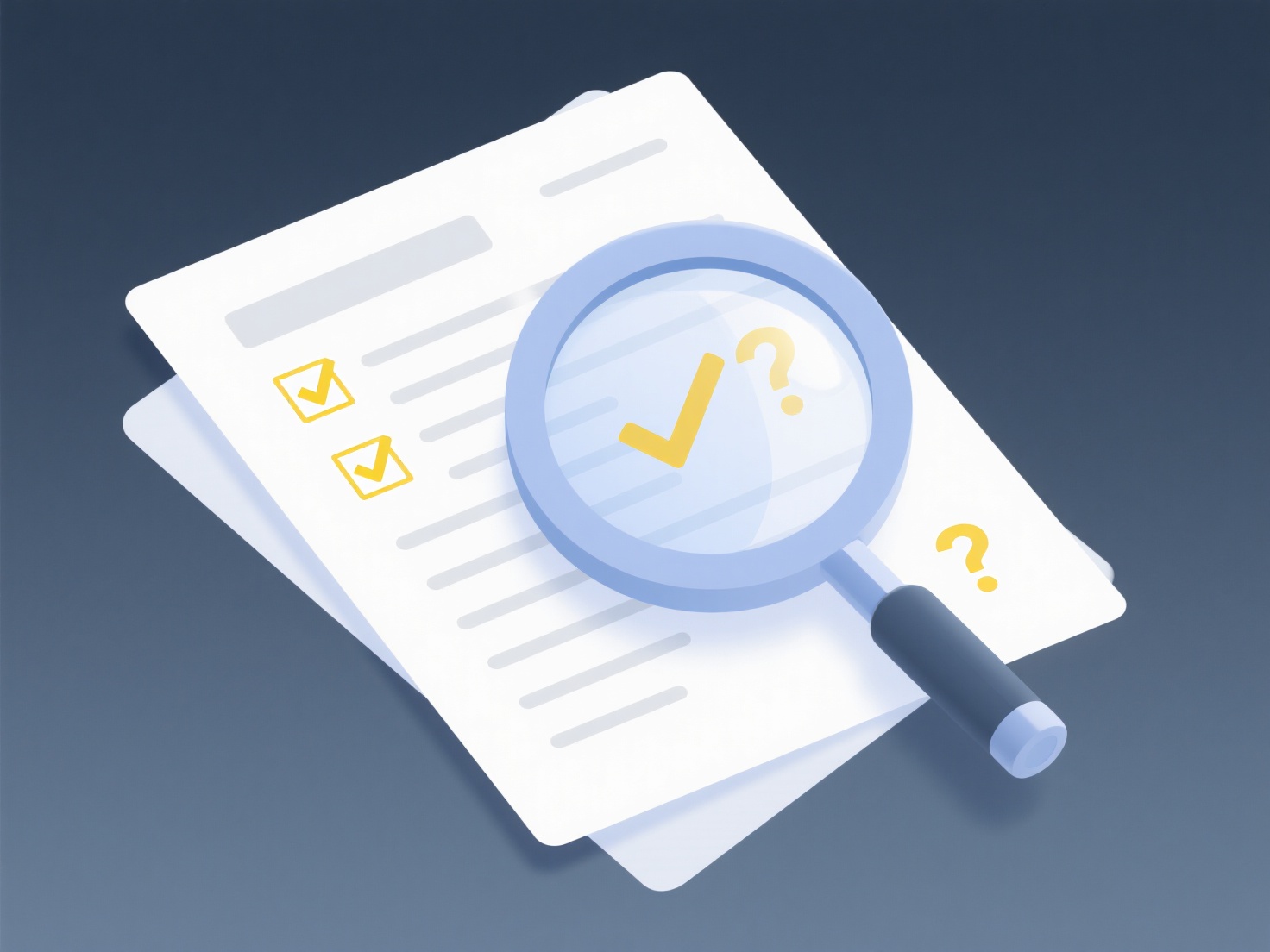
To review conference papers for accuracy, you must systematically evaluate the methodology, verify the data and references, and assess whether the conclusions are fully supported by the presented evidence.
Conference papers often present fast-paced, preliminary findings, making a thorough peer review essential. Whether you are reviewing for an academic committee or evaluating a paper for your own literature search, following a structured approach ensures you catch errors and provide valuable feedback.
1. Evaluate the Methodology
The foundation of any accurate research paper is its methodology. Check if the experimental design is sound and clearly explained. Are the sample sizes adequate? Did the authors use appropriate control groups? An accurate paper will provide enough technical detail that another researcher could theoretically replicate the study.
2. Scrutinize the Data and Results
Next, look closely at the results section. Ensure that the data presented in charts, graphs, and tables matches the text descriptions. Watch out for statistical inconsistencies, manipulated visuals, or exaggerated claims. The results should be a direct, logical outcome of the methodology without any unjustified leaps.
3. Verify Claims and Citations
Accuracy isn't just about the experiment; it's also about how the authors contextualize their work. Check the bibliography to ensure they are accurately representing prior research and not misinterpreting previous studies. If you need to double-check complex arguments or verify claims without getting lost in dense text, WisPaper's Scholar QA lets you ask questions about the paper and traces every answer back to the exact page and paragraph. Additionally, keep an eye out for missing citations or an over-reliance on self-citation.
4. Assess the Conclusions
Do the conclusions align with the actual findings? Because conference deadlines are tight, authors might occasionally overstate the significance of their early results. A strong review will ensure that the conclusion remains objective, answers the initial research question, and explicitly acknowledges any limitations or weaknesses of the study.
5. Provide Constructive Feedback
Finally, compile your notes into a clear, actionable review. Start with a brief summary of the paper to show you understood the authors' core research intent. Then, list major accuracy concerns (like flawed methodology or unsupported claims) followed by minor issues (like typos or formatting errors). Your goal is to help the authors improve their manuscript and ensure the academic community relies on valid, trustworthy research.