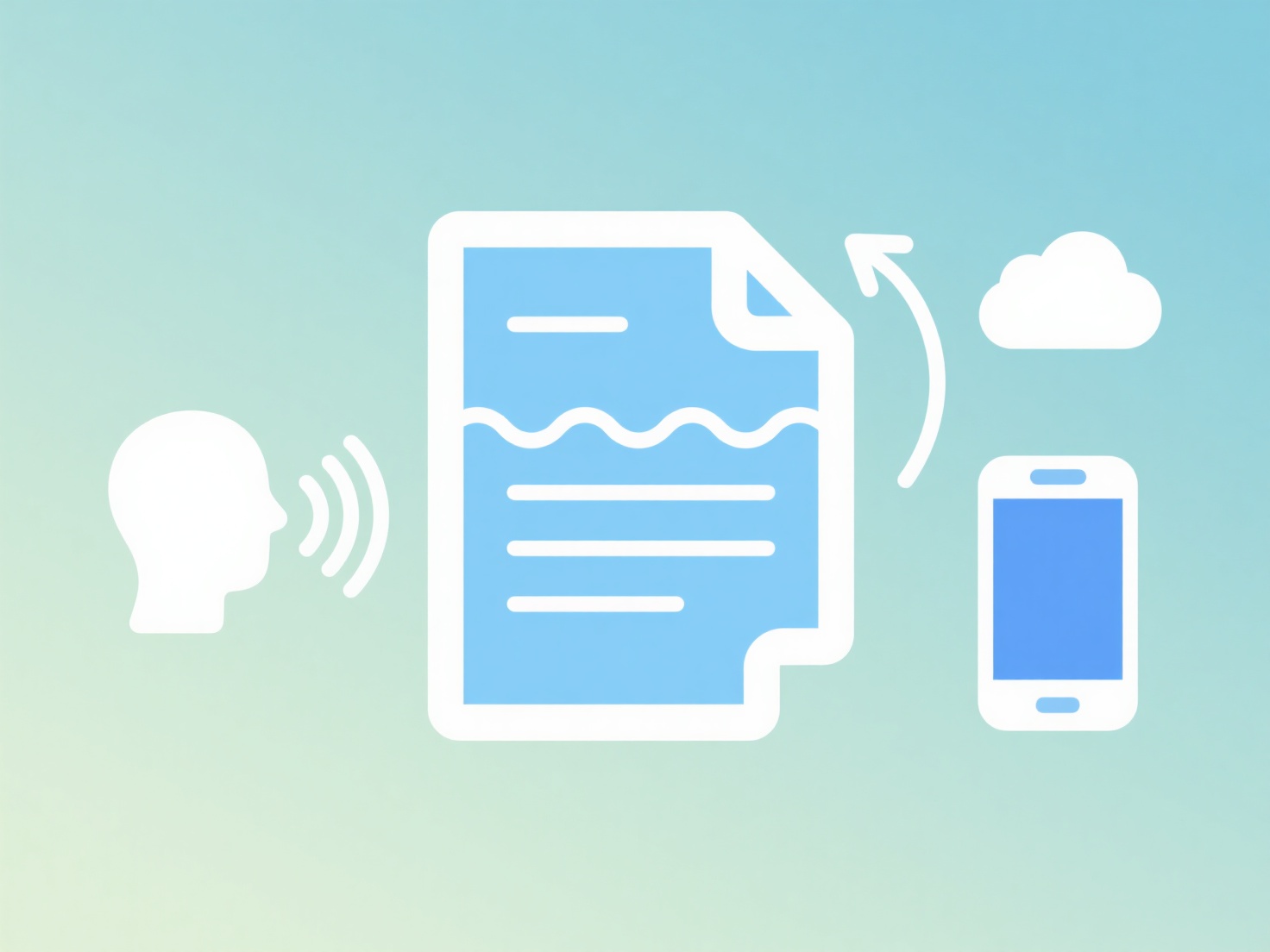
To share interview transcripts safely and professionally, you must first anonymize the text to protect participant confidentiality and then use a secure, encrypted platform to transfer the files.
Whether you are collaborating with a research team, sending data to a peer reviewer, or archiving qualitative research, handling interview data requires strict attention to privacy and data security protocols. Here is the best practice workflow for sharing your transcripts.
1. Anonymize the Data (De-identification)
Before anyone else sees the transcript, you must remove all Personally Identifiable Information (PII). Replace real names with pseudonyms or participant IDs (e.g., "Participant 01"). Be sure to also redact contextual clues, such as specific workplaces, unique job titles, or highly specific anecdotes that could inadvertently identify the subject.
2. Choose a Secure Sharing Platform
Never send raw interview transcripts via standard email attachments, as email is generally unencrypted and vulnerable to interception. Instead, rely on secure file-sharing methods:
- Institutional Cloud Storage: Use university-approved platforms like OneDrive, SharePoint, or Google Workspace, which usually comply with strict data protection regulations.
- Encrypted Transfer Services: Tools that offer end-to-end encryption are ideal for sending sensitive qualitative data to external collaborators.
3. Implement Strict Access Controls
When generating a share link, always restrict access to specific email addresses rather than creating a general, public link. If the recipient only needs to read the transcript, set the permissions to "view only" to prevent unauthorized edits or downloads. Additionally, set an expiration date on the link so that access is automatically revoked once the collaboration period ends.
4. Organize and Review as a Team
Once the data is safely transferred, your research team will need an efficient way to manage and review the documents. You can easily organize these shared files using WisPaper's My Library, which acts as a secure document manager and allows you to chat with your uploaded transcripts via AI to quickly extract themes, summarize responses, and locate specific quotes.
5. Follow IRB and Ethical Guidelines
If you are sharing qualitative data with researchers outside your university or organization, double-check your Institutional Review Board (IRB) guidelines. You may need to establish a formal Data Use Agreement (DUA). This document legally binds the recipient to your ethical standards, ensuring they understand how the data can be used, stored, and eventually destroyed.