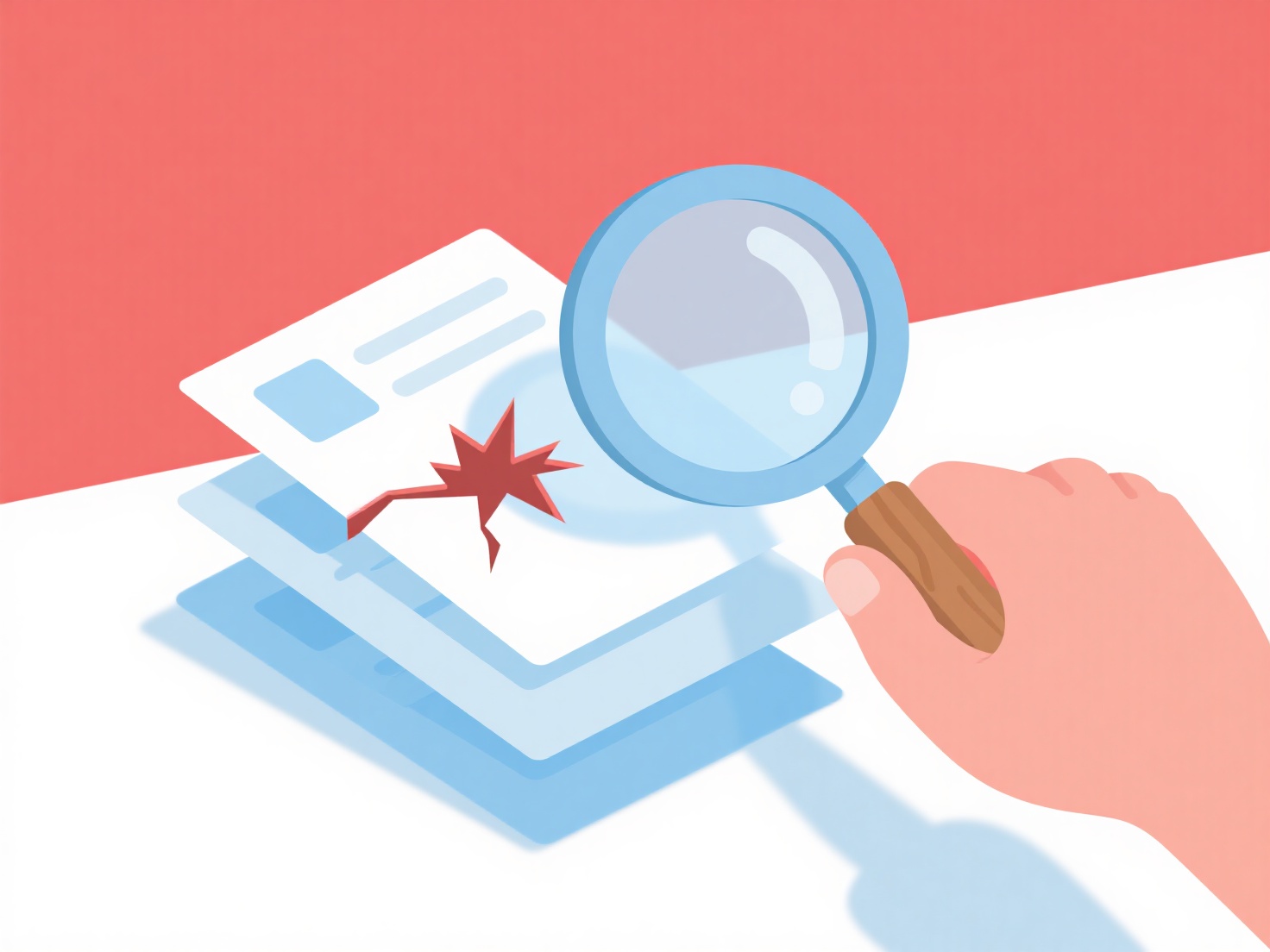
To spot bias and find reliable sources, you must critically evaluate the author's affiliations, funding sources, methodology, and language to ensure the research is objective and evidence-based.
Even in academic research, absolute objectivity is rare. While peer review helps filter out poor-quality studies, researchers can still be influenced by their backgrounds, institutional pressures, or financial sponsors. As a graduate student or early-career researcher, developing the skill to assess credibility will make your literature review much stronger and your own arguments more robust.
Here are the most effective ways to identify bias and evaluate scholarly sources:
1. Investigate Funding and Affiliations
Always check the "Conflicts of Interest" or "Funding Declarations" sections usually found at the end of a paper. If a corporate entity funded a study related to its own industry, the results might still be valid, but you should scrutinize the findings more closely. Reliable sources are entirely transparent about who sponsored the work and where the authors are employed.
2. Analyze Tone and Language
Objective research relies on neutral, precise language. Be wary of papers that use highly emotive words, sweeping generalizations, or aggressive rhetoric to persuade the reader. A credible academic paper presents the data, discusses the nuances, and openly acknowledges its own limitations rather than trying to force a specific narrative.
3. Scrutinize the Methodology
Bias often hides in how an experiment or study is designed. Look for selection bias, such as a non-representative sample group, or confirmation bias, where a study might be designed specifically to guarantee a desired outcome. A reliable source will clearly and thoroughly explain its methods so that other researchers can replicate the experiment.
4. Verify Citations and References
A credible paper builds its arguments on a foundation of high-quality, balanced literature. Check if the authors are cherry-picking data by only citing studies that support their view while ignoring contradictory evidence. Evaluating an author's bibliography can be tedious, but using WisPaper's TrueCite automatically finds and verifies citations, eliminating the risk of relying on fake or hallucinated references.
5. Cross-Check with Other Literature
Never rely on a single study to form your understanding of a complex topic. To ensure you are using credible sources, compare the paper's findings with other scholarly articles in the same field. If a paper makes a groundbreaking claim that contradicts decades of established research without providing ironclad evidence, approach it with healthy academic skepticism.