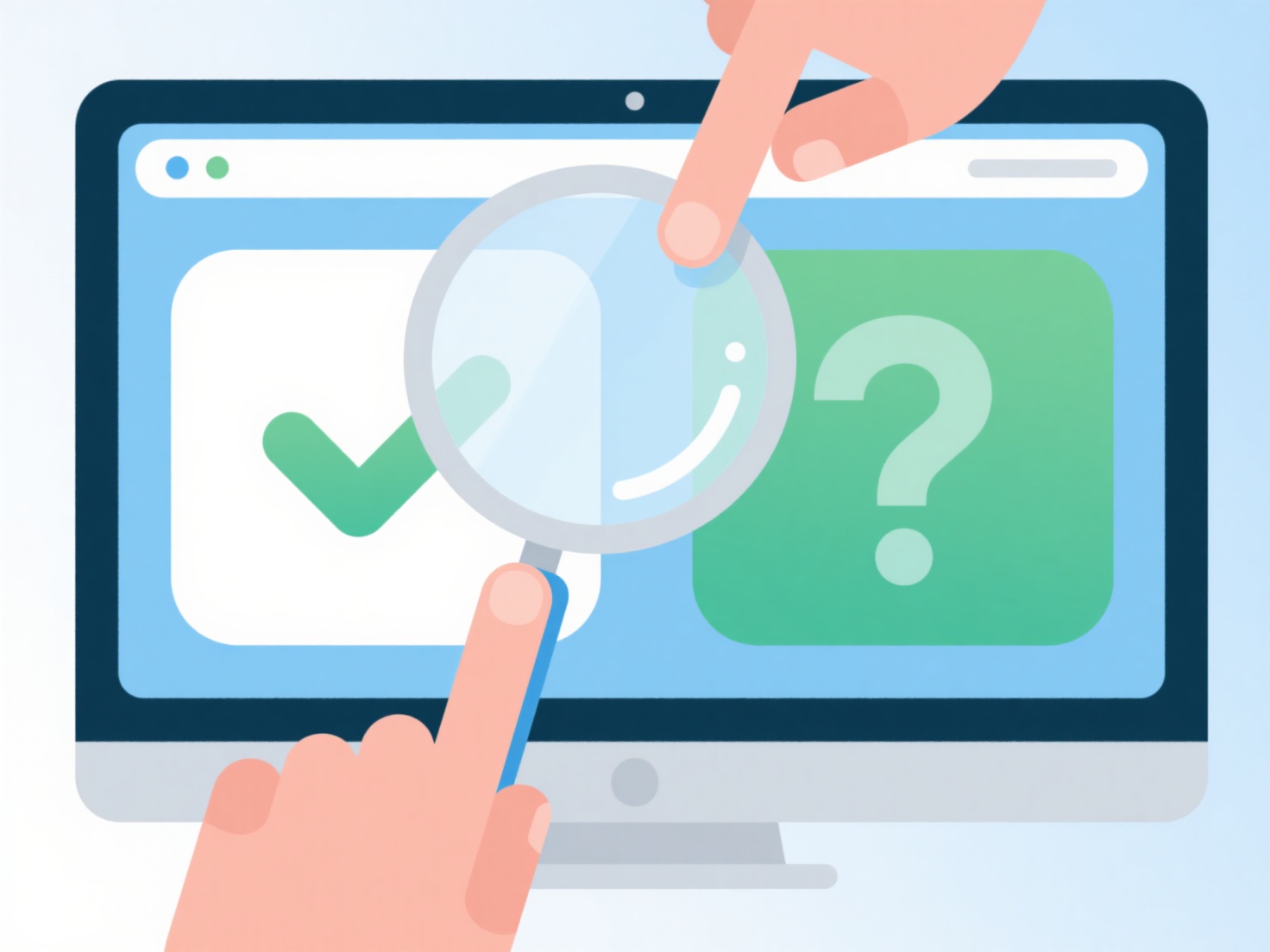
You can spot source reliability online by evaluating the author's credentials, ensuring the work is peer-reviewed, verifying the accuracy of its citations, and assessing the website's objectivity. When conducting a literature search, distinguishing between credible scholarly articles and unreliable internet content is essential for maintaining the integrity of your research.
Check the Author's Credentials
The first step in evaluating online information is to identify who wrote it. Look for the author's academic affiliations, advanced degrees, or professional experience in the subject area. Credible sources will always clearly list their authors rather than hiding behind anonymous aliases. If the author has a strong track record of publishing in their field, the source is much more likely to be trustworthy.
Evaluate the Publication Venue
Where the information is published matters just as much as who wrote it. For academic research, the gold standard is a peer-reviewed journal found within recognized academic databases. If you are evaluating a general website, check the domain name. Sites ending in .edu or .gov are generally more reliable than .com or .net sites, which frequently have commercial or ideological motives. Always check the site's "About Us" page to understand the publisher's core mission.
Verify Citations and Evidence
Reliable scholarly articles back up their claims with hard evidence and a comprehensive reference list. Always check the bibliography to see if the author is citing other high-quality, academic sources. Manually tracking down every reference can be incredibly time-consuming, but tools like WisPaper's TrueCite automatically find and verify citations to eliminate the risk of relying on hallucinated references or fake sources. If an article makes bold, sweeping claims without citing its sources, it is best to exclude it from your research.
Assess Objectivity and Timeliness
Finally, evaluate the source for potential bias and currency. Is the author using emotional language, pushing a specific political agenda, or trying to sell a product? Objective research should present facts neutrally, acknowledge limitations, and address opposing viewpoints. Additionally, check the publication date. While foundational theories may be decades old, fast-moving fields like medicine, computer science, or psychology require up-to-date research. If an online source lacks a publication date entirely, that is a major red flag for its overall reliability.