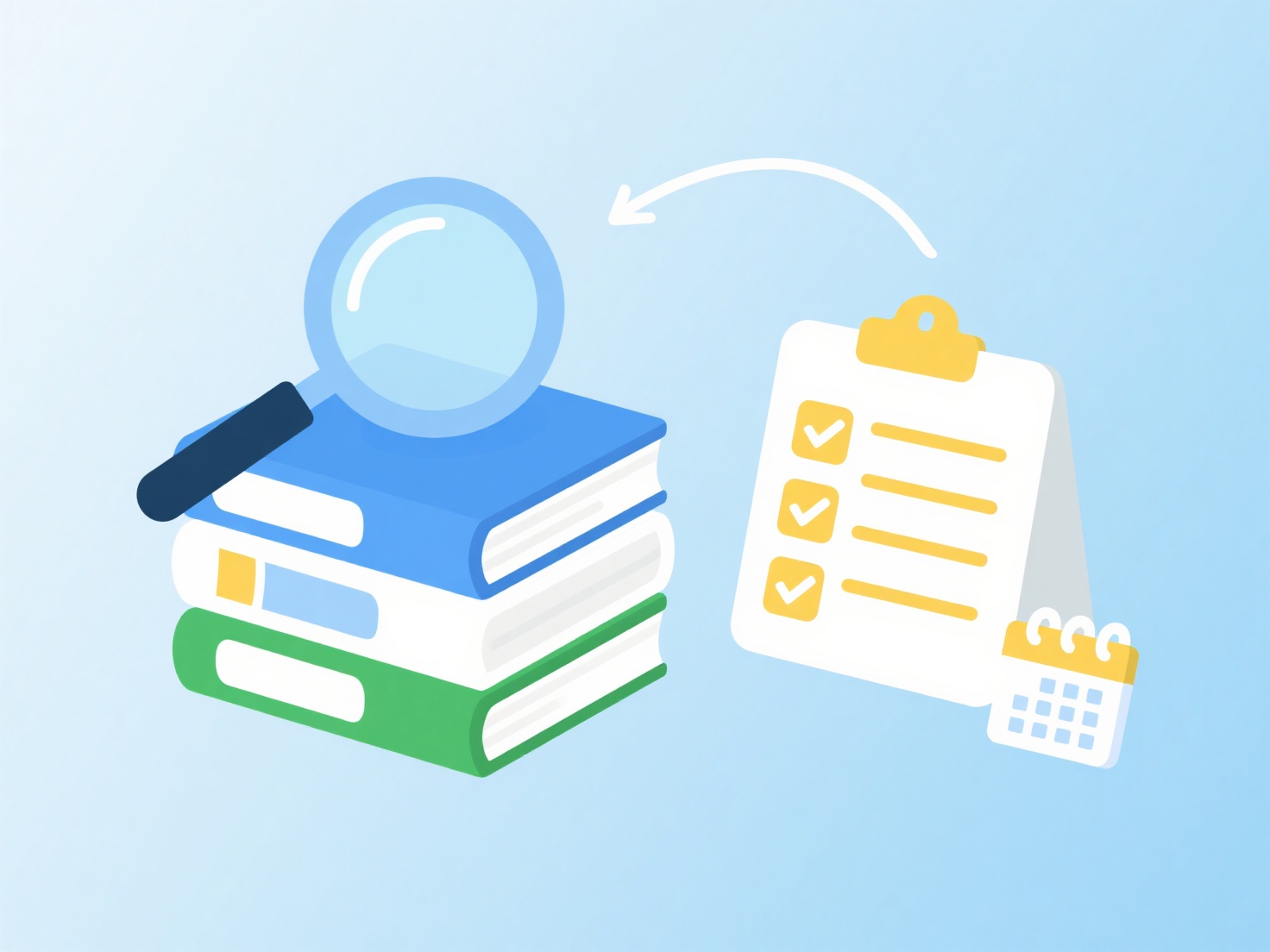
To track scientific journals for a grant proposal, you should set up automated email alerts, use RSS feeds, and leverage AI-powered research tools to monitor specific keywords, authors, and topics relevant to your funding application. Keeping up with the latest literature ensures your proposed research remains novel and demonstrates to grant reviewers that you are well-versed in the current state of your field.
Define Your Core Keywords and Authors
Before setting up any tracking systems, narrow down exactly what you need to follow. Identify the primary keywords, specific methodologies, and key researchers associated with your grant's focus. Creating a focused list prevents information overload and ensures the updates you receive are highly relevant to the background and methodology sections of your proposal.
Set Up Traditional Database Alerts
Most major academic databases offer built-in tracking features. You can set up saved search alerts on platforms like Google Scholar, PubMed, or Web of Science. Whenever a new paper is published that matches your exact search string, you will receive an email notification. Additionally, many publishers allow you to subscribe to eTOCs (electronic Tables of Contents) for specific high-impact journals in your field, delivering the latest issue directly to your inbox.
Leverage AI for Curated Tracking
While traditional database alerts are helpful, they often rely on exact keyword matches. This can lead to either missing relevant papers that use different terminology or forcing you to sift through hundreds of irrelevant results. To streamline this process, WisPaper's AI Feeds can provide a daily push of new papers that match your specific research interests across 32 fields, helping you track new research without the usual information overload. By using AI to understand the context of your research rather than just keywords, you can effortlessly stay updated on breakthroughs that might directly impact your grant's specific aims.
Organize Your Monitored Literature
Tracking is only effective if you can easily retrieve the papers when it is time to write. As new alerts come in, immediately export the relevant citations to your reference manager. Create a dedicated folder or tag specifically for your grant proposal. You can even use sub-tags like "background," "competing methods," or "preliminary data support" to quickly slot new findings into the correct section of your grant narrative.
By combining targeted search strings with smart automation, you can continuously monitor the scientific landscape and write a highly competitive, up-to-date grant proposal.