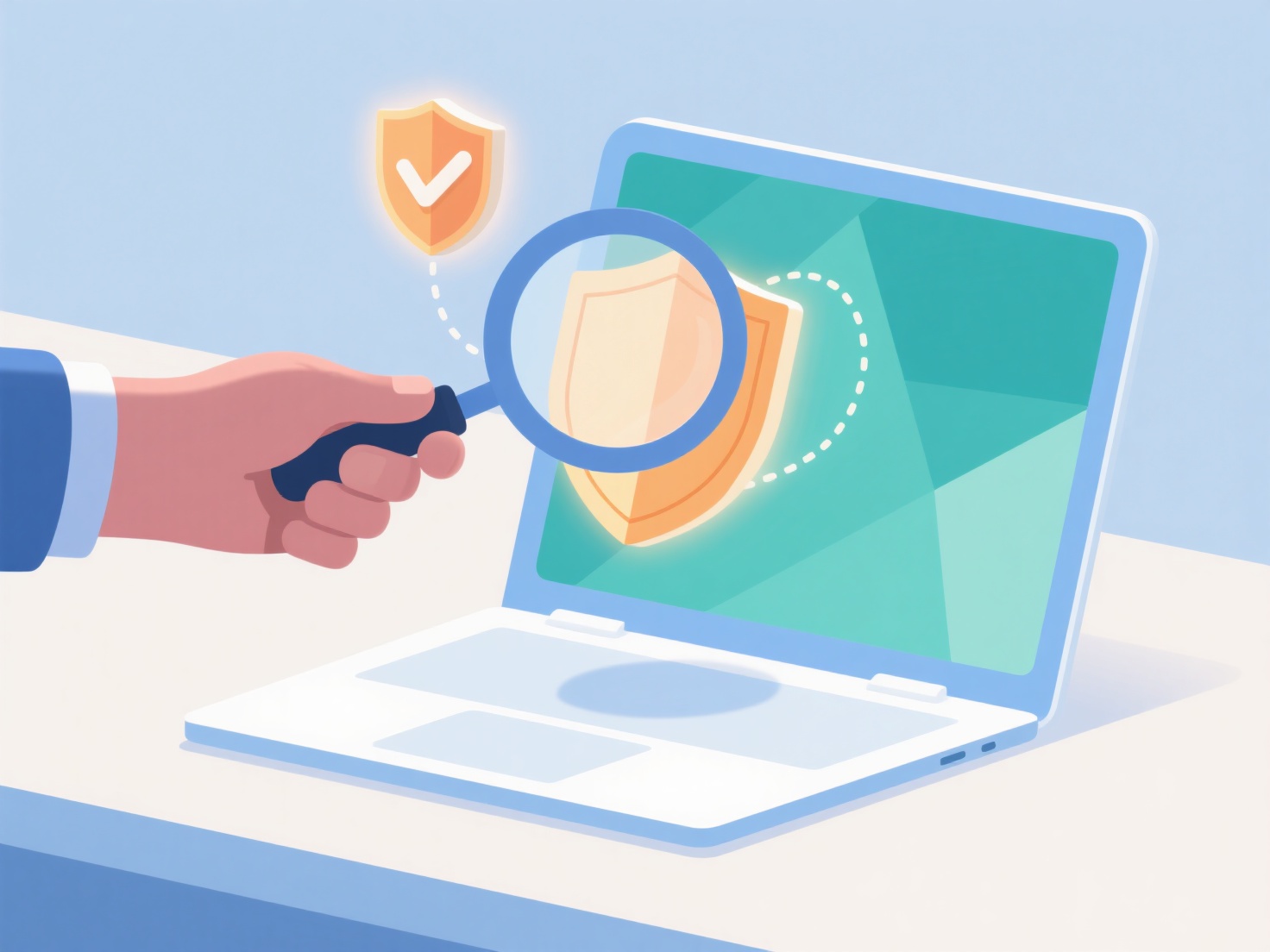
To trust online articles in a specific field, you must verify the author's academic credentials, confirm the journal's peer-review process, and rigorously evaluate the provided citations and data.
In today's digital landscape, information overload and the rise of unverified preprints make literature search challenging. Knowing how to assess source credibility is an essential skill for any graduate student or researcher looking to build a reliable foundation for their own work.
Here is a practical guide to evaluating the trustworthiness of academic articles and online publications.
1. Verify Author Credentials and Affiliations
Start by researching the people who wrote the paper. Are they recognized experts in this specific field? You can usually find this by checking their institutional affiliations, ORCID profiles, or searching for their past publication history. Authors who consistently publish research in a specific domain are generally more reliable than those with no track record in the subject.
2. Check the Publication's Peer-Review Status
Peer review is the gold standard for academic credibility. It ensures that an article has been subjected to rigorous scrutiny by independent experts before publication. Search for the journal in recognized academic databases like Scopus, Web of Science, or the Directory of Open Access Journals (DOAJ). This helps you confirm the journal's legitimacy and avoid predatory publishers that publish unchecked research for a fee.
3. Scrutinize the Citations and References
A credible academic article builds upon established research and clearly attributes its claims. Check the bibliography to ensure the references are accurate, highly relevant, and from reputable sources. Because manually checking bibliographies is tedious, using a tool like WisPaper's TrueCite automatically finds and verifies citations, helping you eliminate hallucinated references and confirm the article's academic foundation in seconds.
4. Evaluate Methodology and Data Transparency
Trustworthy research clearly explains exactly how a study was conducted. Look for transparent methodologies, accessible datasets, and a clear discussion of the study's limitations. If an online article makes sweeping claims without backing them up with measurable data—or if the experiment seems impossible to reproduce—you should proceed with caution.
5. Identify Potential Bias and Funding Sources
Always review the "Conflicts of Interest" and "Funding" sections at the end of a paper. Articles funded by corporate organizations or groups with a vested interest in a specific outcome are not automatically invalid, but they do require a higher level of critical reading to ensure the data hasn't been skewed to favor the sponsor.
Building a trustworthy library of research takes time, but consistently applying these critical evaluation steps ensures your literature review remains robust, accurate, and highly reliable.