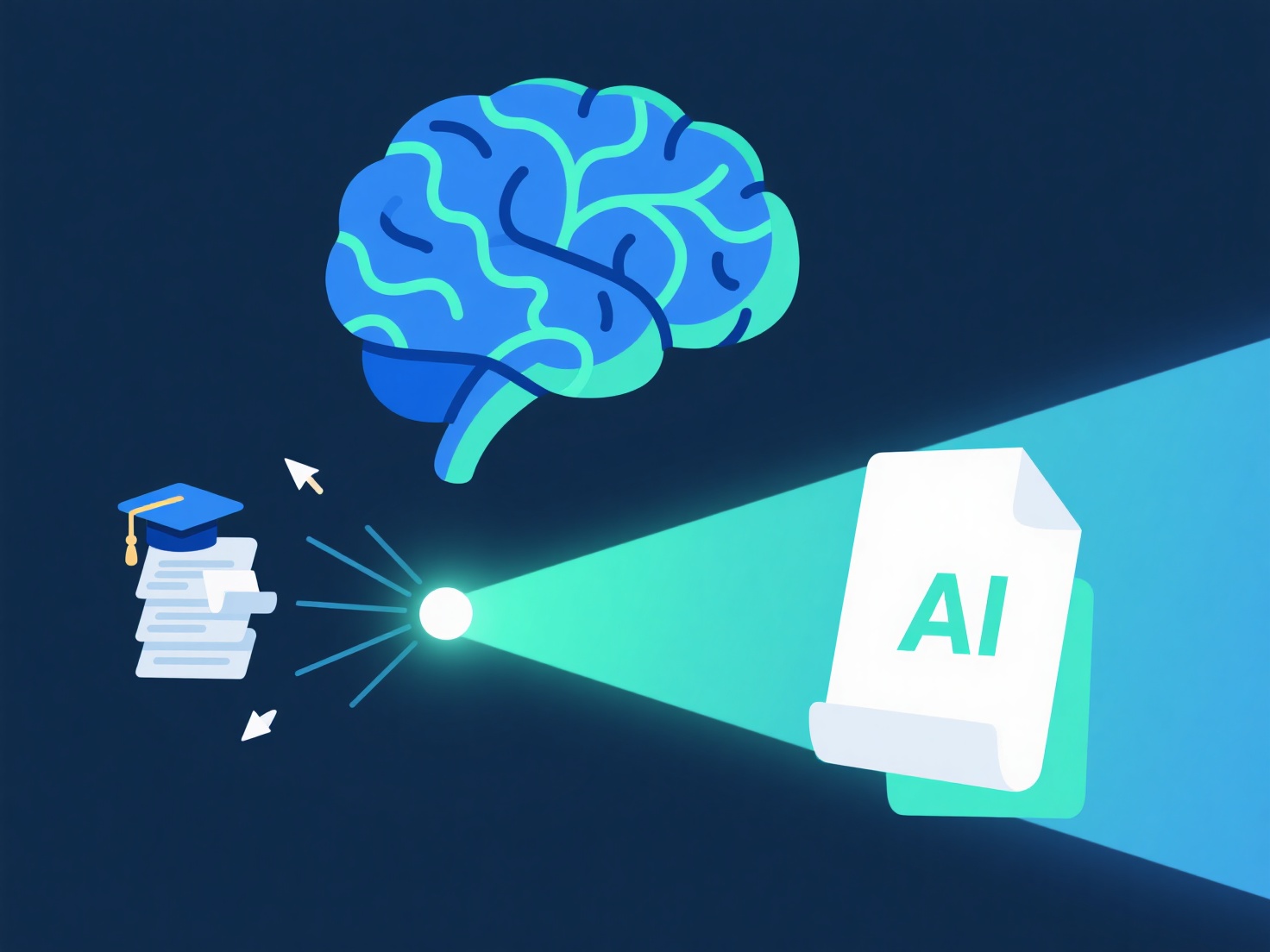
AI can generate academic paper abstracts by processing the paper's full text through natural language processing models designed for text summarization. This is a technically feasible approach leveraging sophisticated language algorithms.
Effective implementation requires feeding the AI model the complete paper text or key sections like Introduction, Methods, Results, and Conclusion. The model must be specifically trained or tuned for academic language and abstractive summarization to capture the study's core contributions and findings rather than just extract sentences. Accuracy depends on the model's quality and the input text's clarity. Users must critically review and refine the AI output to ensure factual correctness, coherence, and adherence to specific journal guidelines, as the generated text may contain errors or omissions.
To implement this, start by preparing the manuscript text in a suitable digital format. Input this text into a chosen AI summarization platform or API designed for academic use. Generate the initial abstract draft using the tool. Crucially, meticulously edit and verify this draft against the original paper's content, scope, arguments, and significance. This process significantly reduces initial drafting time, allowing authors to focus refinement efforts, thereby enhancing research productivity for drafting or managing large volumes of papers.