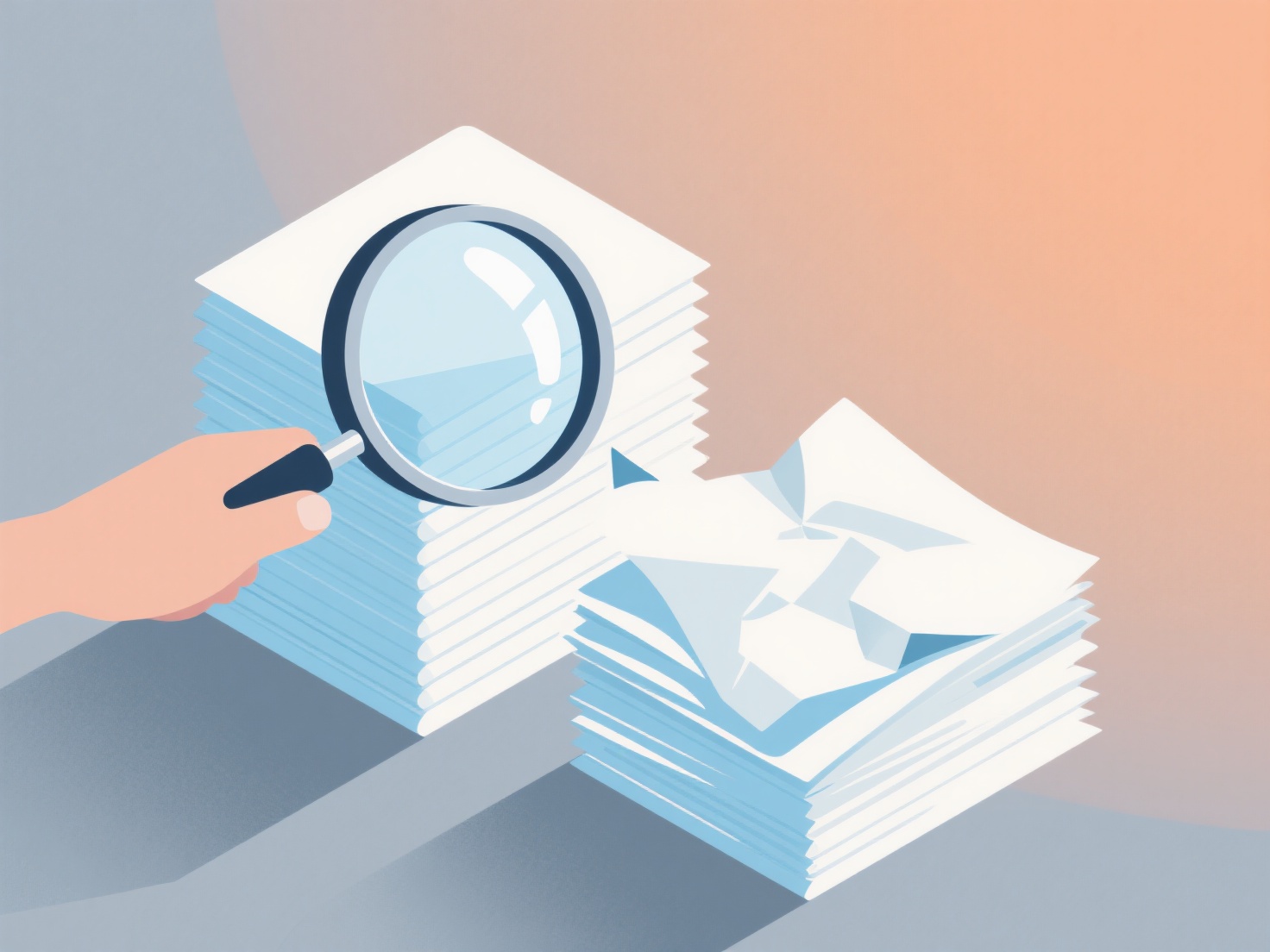
To identify and validate potential misinformation in academic research, you must critically evaluate the study's methodology, cross-check its citations, check for retractions, and compare the findings against the broader scientific consensus.
While peer review is designed to catch errors, flawed methodologies, manipulated data, and even AI-generated fake papers can occasionally slip through the cracks. As a graduate student or early-career researcher, developing a sharp eye for academic integrity is essential to keep your own literature review credible.
Here are the most effective steps to spot and verify false or misleading claims in scholarly articles.
1. Scrutinize the Methodology and Data
The foundation of any credible paper is its methodology. Look for common red flags such as unusually small sample sizes, lack of proper control groups, or vague descriptions of the experimental setup. If the data seems too perfect or the statistical significance relies heavily on "p-hacking" (manipulating data to achieve a favorable p-value), the findings may be invalid or exaggerated.
2. Verify Claims and Citations
Misinformation often hides behind misrepresented citations, where a paper cites a source that does not actually support its bold claims. Always trace surprising statements back to their original sources. If you need help verifying claims efficiently, WisPaper's Scholar QA lets you ask questions about a paper and traces every answer back to the exact page and paragraph for easy fact-checking. Additionally, be on the lookout for hallucinated or non-existent references, which have become more common with the misuse of generative AI.
3. Check for Retractions and Updates
Just because a paper is published does not mean it remains valid forever. Journals frequently issue corrections or full retractions when data fabrication, plagiarism, or critical errors are discovered. Before relying heavily on a source, check the publisher's website for an "Expression of Concern" or search the Retraction Watch database to ensure the paper has not been withdrawn from the scientific record.
4. Evaluate Journal Credibility
Not all academic journals maintain strict peer-review standards. Predatory journals often publish unverified research for a fee, bypassing quality control entirely. To validate the source, check if the journal is indexed in reputable academic databases like Web of Science, Scopus, or PubMed. You can also consult the Directory of Open Access Journals (DOAJ) to confirm its legitimacy.
5. Look for Funding Bias
Always review the "Conflicts of Interest" and "Funding" sections at the end of a paper. Research funded by corporations or organizations with a financial stake in the outcome is not automatically false, but it does require you to evaluate the results and conclusions with an extra layer of skepticism.