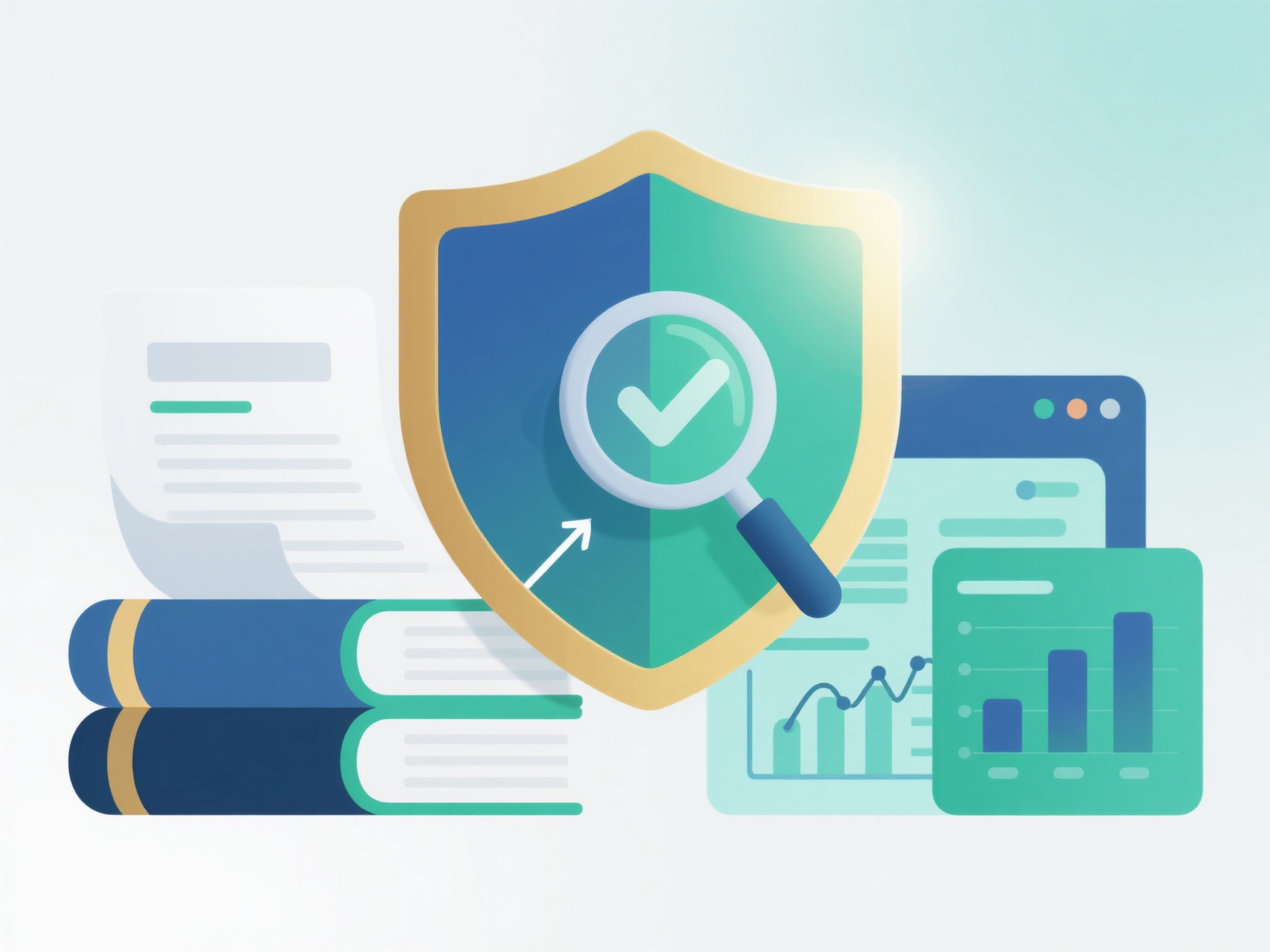
To verify data integrity for a thesis, you must establish strict data collection protocols, maintain a detailed audit trail of your research steps, and rigorously cross-check your sources and statistical methods.
Ensuring the accuracy, consistency, and reliability of your research data is critical for successfully defending your thesis and upholding research ethics. Whether you are conducting qualitative interviews, gathering survey responses, or running complex lab experiments, proving that your data is untampered and valid is a core requirement for any graduate student.
Here are the most effective ways to validate your research data:
1. Maintain a Comprehensive Audit Trail
The foundation of data integrity is proper raw data management. Always keep your original, raw dataset completely untouched in a secure folder. When you begin data cleaning or analysis, save your work as a new file using clear version control. Document every transformation, excluded variable, or statistical adjustment in a digital log or lab notebook. This creates a transparent paper trail that proves your final results were not manipulated and guarantees reproducibility.
2. Validate Foundational Methods and Replications
Your own dataset is only as reliable as the methodology you use to collect it. Often, verifying integrity means proving that your experimental setup matches established academic standards. If your thesis relies on replicating an existing study to verify its data integrity, WisPaper's PaperClaw can help by automatically generating a full experiment reproduction plan directly from the original paper's PDF. Ensuring your methodology is structurally sound prevents fundamental errors before data collection even begins.
3. Perform Statistical and Peer Checks
Before drawing conclusions, run descriptive statistics to spot anomalies, extreme outliers, or missing values in your dataset that could indicate data entry errors. For qualitative research, use data triangulation by comparing your findings with secondary sources or different data collection methods. Additionally, have a peer or your academic advisor review your dataset and analytical code (such as R, SPSS, or Python scripts) to catch unintentional biases, logic flaws, or calculation mistakes.
4. Secure and Backup Your Research Data
Data integrity also means preventing accidental data loss or unauthorized file alterations. Store your files using secure, encrypted, cloud-based storage solutions recommended by your university. Following a strict Data Management Plan (DMP) not only protects participant confidentiality but also ensures your files remain uncorrupted and accessible throughout your entire peer review and thesis defense process.