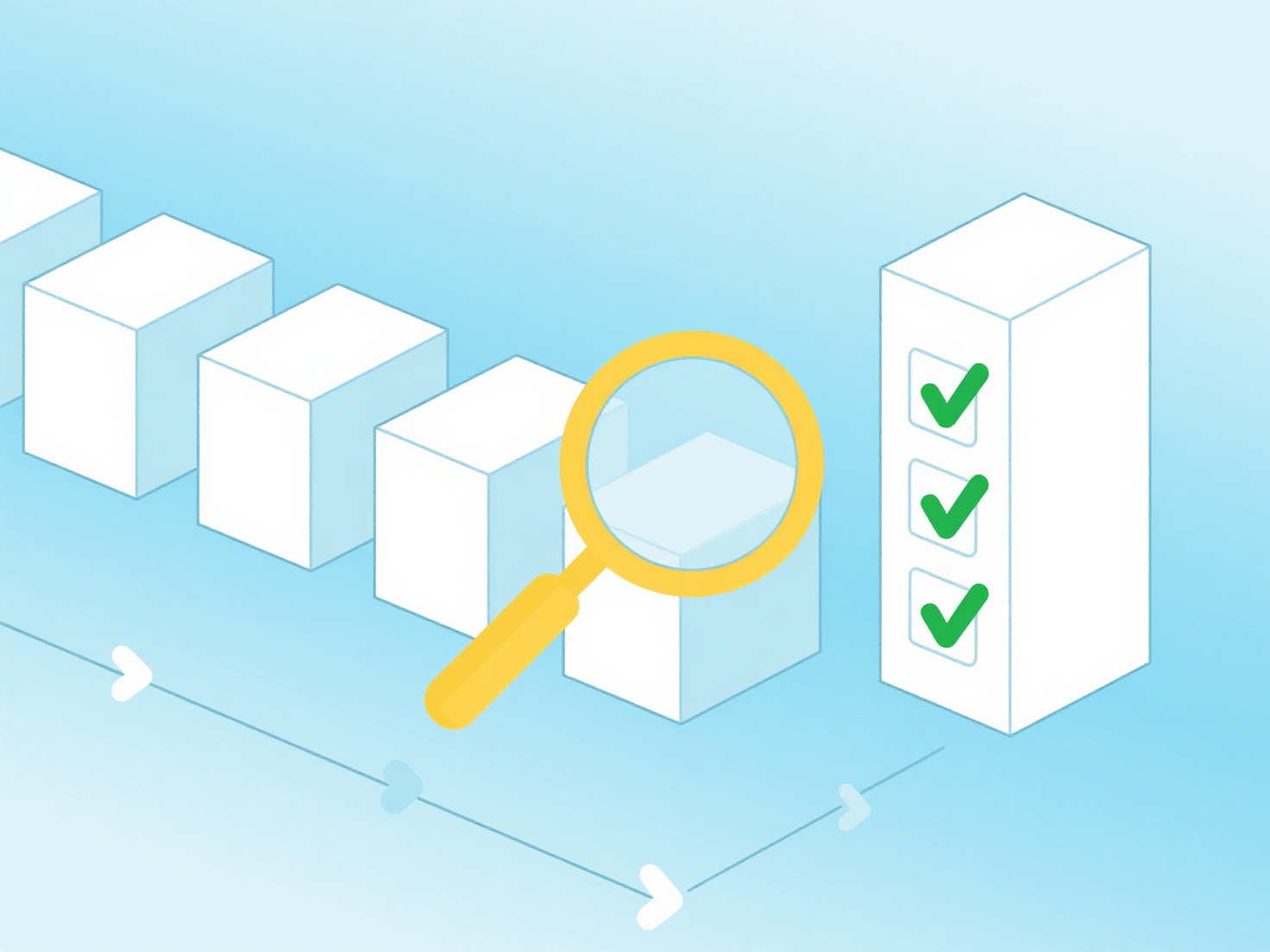
To verify research data, you must critically evaluate the study's methodology, cross-check its claims against original datasets, and confirm that the results can be independently reproduced. Ensuring the accuracy of data is a crucial step for any researcher to avoid building new work on flawed foundations.
Here is a practical guide on how to effectively verify research data in academic papers.
1. Scrutinize the Methodology
The reliability of any data depends entirely on how it was collected. Check the study’s research design, sample size, and data collection methods. Are there obvious biases? Is the sample size statistically significant? If the methodology is vague or lacks detail, the resulting data may be unreliable.
2. Trace and Verify Claims
Don't take a paper's conclusions at face value. You need to ensure the data actually supports the author's claims. When you need to dig deep into a study's findings, you can use WisPaper's Scholar QA to ask questions about the paper, and it will trace every answer back to the exact page and paragraph to help you verify specific claims. Always check that the numbers presented in the data tables match the text in the results and conclusion sections.
3. Look for Open Data and Code
The gold standard for data verification is transparency. Check if the authors have provided access to their raw datasets, survey results, or analytical code in repositories like GitHub, Figshare, or Dryad. Having access to the raw data allows you to run your own statistical tests to see if you arrive at the same conclusions.
4. Cross-Check Citations and References
Reliable data is usually built upon credible previous research. Review the paper's bibliography to ensure they are citing high-quality, peer-reviewed sources rather than predatory journals or unverified preprints. If a core piece of data relies heavily on a single, questionable citation, that is a major red flag for the integrity of the entire study.
5. Assess Peer Review and Community Reception
Consider where the paper was published and how the academic community has responded to it. Look up the study on academic search engines to see if other researchers have cited it to support their own findings, or if they have published papers refuting the data. Checking databases like Retraction Watch is also a smart habit to ensure the paper's data hasn't been officially flagged or withdrawn due to errors or fabrication.
6. Evaluate Reproducibility
Finally, ask yourself if the experiment or study could be replicated based on the information provided. If the steps are clear enough that another researcher could duplicate the study and generate similar data, the original findings are much more likely to be valid and trustworthy.