
Eco-Feedback Design: Bridging the Gap Between Data and Domestic Habit Change
1314_Designing and evaluating interfaces for domestic eco-feedback a blended educational experience.
This paper presents a blended educational framework for designing domestic eco-feedback interfaces, aimed at enhancing environmental awareness and energy optimization. The study describes a cross-generational approach where 80 undergraduate HCI students developed 20 unique interface ecosystems evaluated by both academic experts and primary school children.
TL;DR
The shift toward environmental sustainability requires more than just smart meters; it requires interfaces that people actually want to interact with. This research explores a blended educational experience where university students designed "household ecosystems" for energy monitoring. By moving away from heavy coding and toward narrative prototyping, the study reveals how gamification and artistic metaphors can make energy consumption visible and actionable for everyone—from tech-savvy parents to primary school children.
Problem & Motivation: The "Numerical Trap"
Most current domestic energy monitors act like financial spreadsheets: they provide raw numbers (kWh, cost) that are intellectually understood but emotionally ignored. The authors identify three critical pain points in existing systems:
- Lack of Inclusivity: Interfaces often target the "primary bill payer," ignoring children and elderly residents.
- Abstract Complexity: Many visualizations are too technical for non-experts to act upon.
- The Implementation Gap: In HCI education, students often get bogged down in software engineering, losing sight of the "Human" in Human-Computer Interaction.
The motivation here was to use the classroom as a laboratory to explore Adaptive Interfaces—systems that change their language and visual style based on who is standing in front of them.
Methodology: Design Thinking Without the Code
The core of the paper’s approach is the separation of Interaction Design from Software Implementation. The authors guided students through a rigorous 4-stage workflow:
- Literature-Sourced Requirements: Instead of guessing, students analyzed 9 seminal papers to understand "bird’s-eye views" and "ambient displays."
- Visual Sketching & Storyboarding: Using the Greenberg Workbook methodology, students created "Narrative Storyboards" to define the context of use (e.g., a child seeing a glowing tree in the kitchen).
- Prototyping with Invision: By using branching storyboards, students simulated complex UI flows and animations without writing a single line of CSS or JavaScript.
- Iterative Peer & Child Review: This cross-generational feedback loop ensured that the designs were grounded in both academic rigor and real-world playfulness.
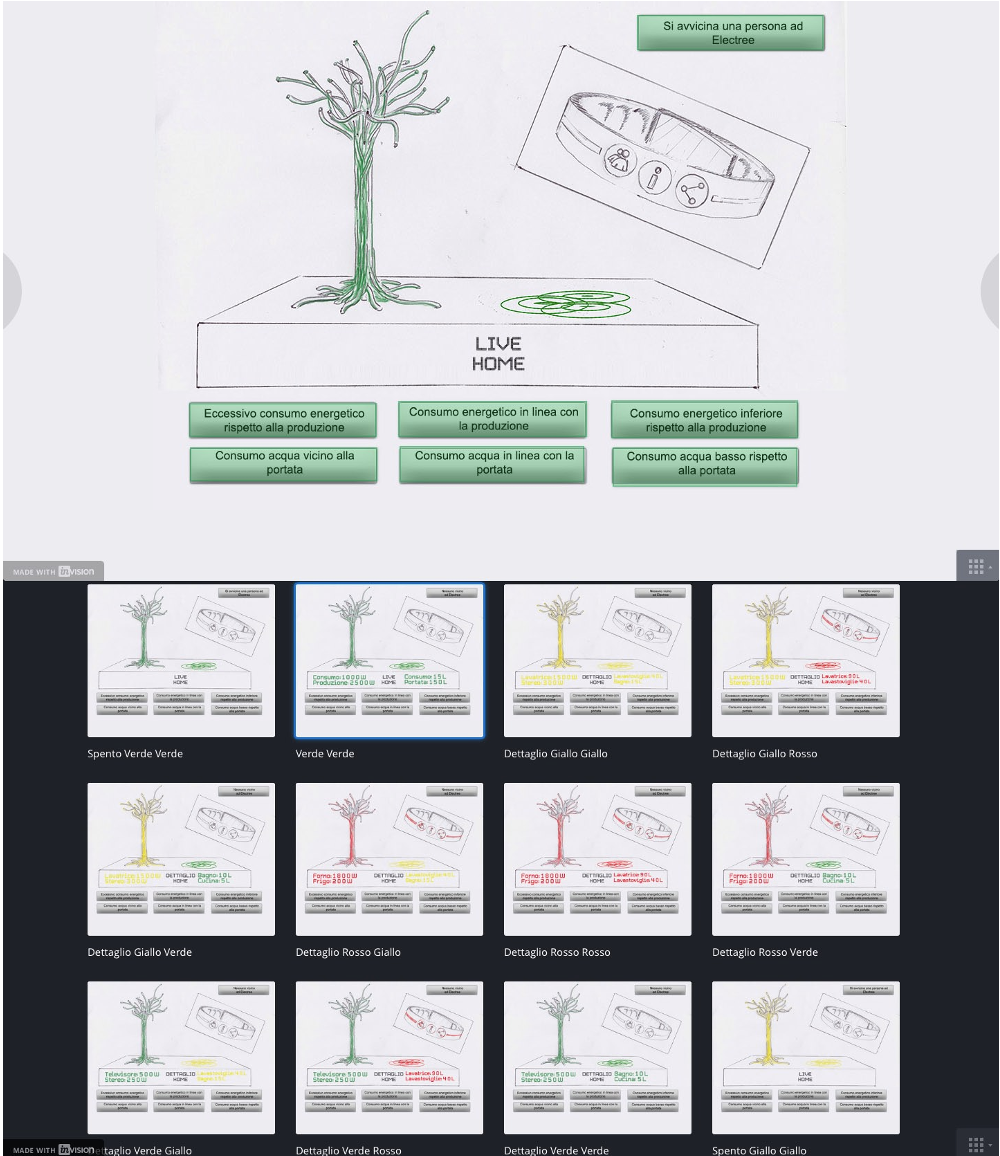 Figure 1: An example of a branching storyboard using Invision. Green hotspots simulate user interaction and state transitions.
Experiments & Results: What Do Children Actually Want?
The most unique aspect of this study was the evaluation by 19 primary school children. The students produced short video pitches for their concepts, which the children graded on clarity, aesthetics, and "desire to own."
Key Findings:
- Engagement via Characters: Prototypes featuring animated avatars and gaming mechanisms (e.g., unlocking plant growth by saving energy) received the highest marks.
- The "kWh" Barrier: Children were confused by technical units. The study suggests that "eco-feedback" should speak in metaphors—trees, clouds, or colors—rather than raw data.
- Social Motivation: Sharing energy data with neighbors (social comparison) was a hit among adults, but children favored the "internal family game" aspect.
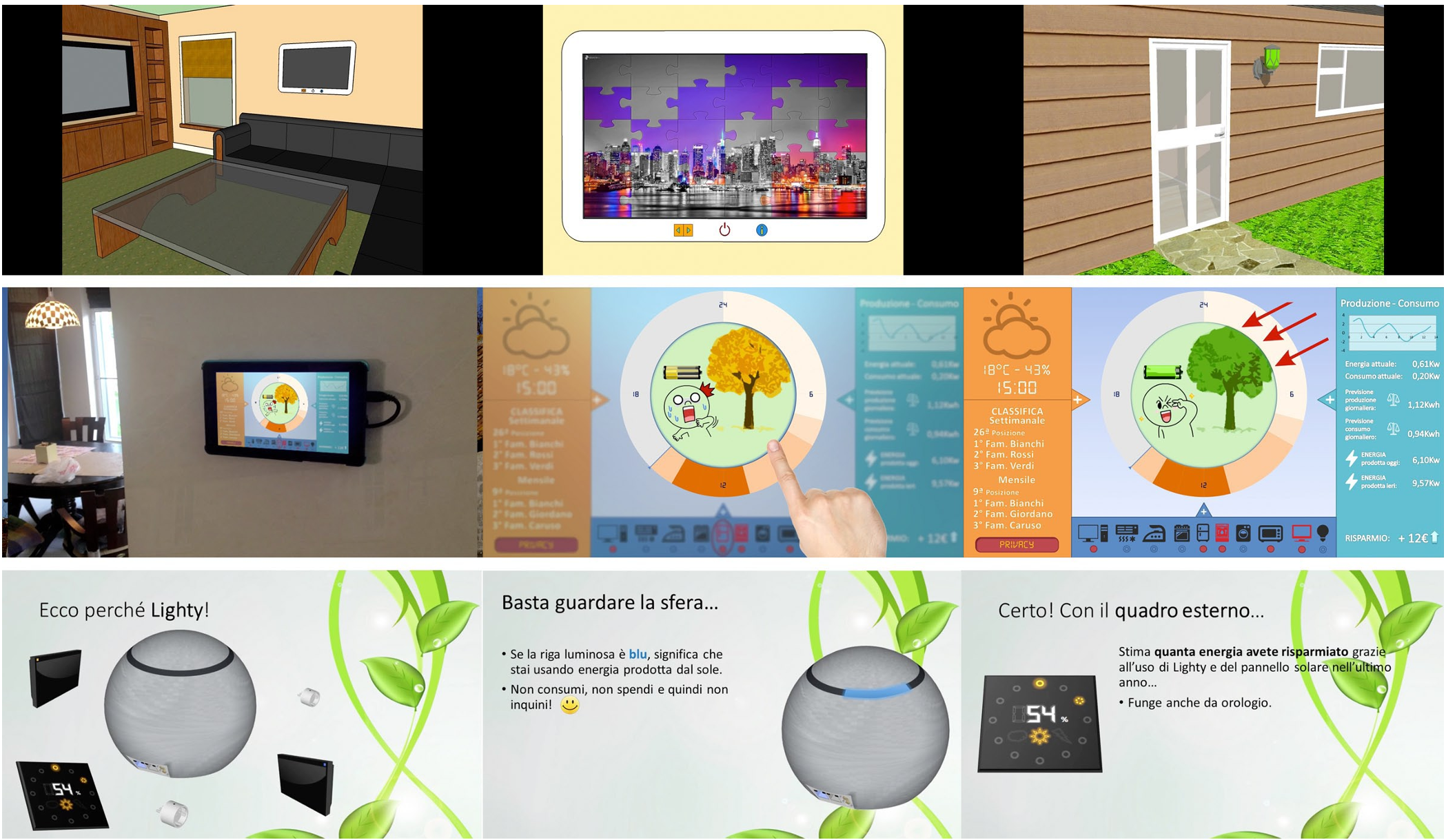 Figure 2: Video sequences used for evaluation. Note the variety of 2D/3D styles and the focus on narrative context.
Critical Analysis & Conclusion
The authors conclude that "Eco-feedback should be a household member, not a tool."
Takeaway for Research
The paper validates that Blended Learning (combining remote Moodle-based collaboration with physical workshops) works exceptionally well for design tasks, provided that the tools support "Design Thinking." However, the authors admit that Moodle’s native chat and forum tools are insufficient; future iterations require real-time collaborative whiteboards to truly enable remote co-design.
Limitations
While the results are promising, the study was "conceptual." The next step for the field is to bridge the "Conceptual-to-Functional" gap: taking these high-fidelity visual prototypes and connecting them to real-time IoT sensors to see if the "glowing tree" actually changes a family's behavior over a 12-month period.
Future Outlook
As we move toward ubiquitous computing, the lessons here on adaptive aesthetics will be vital. Future domestic interfaces won't just be screens; they will be ambient ambient objects that communicate through light, texture, and play.