
OLAPing Social Media: Bridging the Gap Between Microblogs and Business Intelligence
2013 IEEE/ACM International Conference on Advances in Social Networks Analysis and Mining
The paper introduces a specialized framework for "OLAPing" social media, specifically Twitter, by integrating Natural Language Processing (NLP) and opinion mining into traditional Data Warehousing. It enables multidimensional analysis of unstructured stream data through semantic enrichment, achieving real-time insights into user sentiments and event-driven trends.
TL;DR
Social media is a goldmine of public opinion, but its "velocity, volume, and variety" make it a nightmare for traditional databases. This paper presents a framework that transforms chaotic Twitter streams into structured "Data Cubes." By combining Sentiment Analysis, Entity Extraction, and Slowly Changing Dimensions, the authors allow analysts to "drill down" into social trends just like they would with sales reports.
Motivation: The Structure Gap
Business Intelligence (BI) relies on OLAP (On-line Analytical Processing), which demands clean, structured data with fixed hierarchies. Twitter, however, is the Wild West:
- Unstructured Text: Tweets are 140-character puzzles of slang and emojis.
- High Volatility: User profiles and "viral" statuses change by the second.
- Heterogeneity: A single JSON tweet object contains over 60 fields of metadata.
The authors' insight was not just to store tweets, but to semantically enrich them, turning "text" into "dimensions" (Who, Where, Sentiment) and "counts" into "measures" (Retweets, Favorites).
Methodology: The Core Engine
The framework operates in three sophisticated stages:
1. Semantic Enrichment
Instead of just mapping fields like timestamp, the system uses external NLP APIs to create new analytical dimensions.
- Entity Detection: Identifies "Persons" or "Countries."
- Topic Extraction: Labels a tweet as "Sports" or "Politics."
- Sentiment Analysis: Assigns a polarity (Positive/Negative).
2. Dynamic Hierarchies & SCD
Data in social media isn't static. A user's "popularity" changes. The paper applies Slowly Changing Dimensions (SCD):
- Type I: Overwrites old data (e.g., a simple name change).
- Type IV: Maintains historical versions (e.g., tracking a user's rise from "Unpopular" to "Famous" to analyze trend history).
3. Architecture
To handle 15,000 tweets per second, the authors utilized BaseX, a native XML database, as a high-performance buffer before the data enters the multidimensional cube.
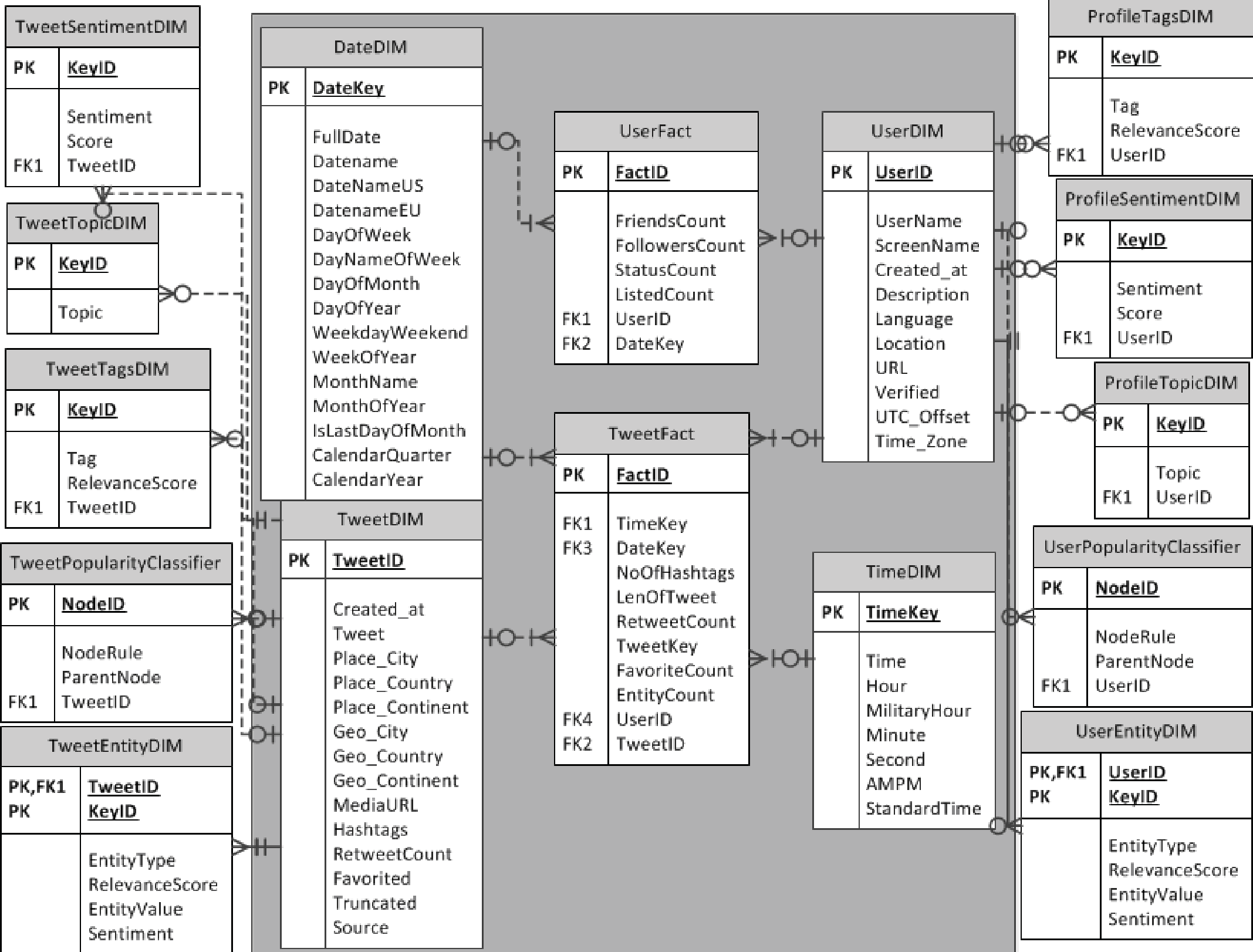 Figure 1: The Data Warehouse Schema showing how Tweet-Content level metadata is transformed into cube dimensions.
Real-World Case: The Euro 2012 Final
The authors tested their system on one of the biggest social media events of the time: the Spain vs. Italy football final.
Key Findings:
- Event Correlation: The system detected immediate positive sentiment spikes for players David Silva and Jordi Alba the moment they scored.
- Popularity Modeling: Using a score formula (Retweets * 80 + Favorites * 20), the system predicted which tweets would become "Super Viral" and used these as aggregation levels.
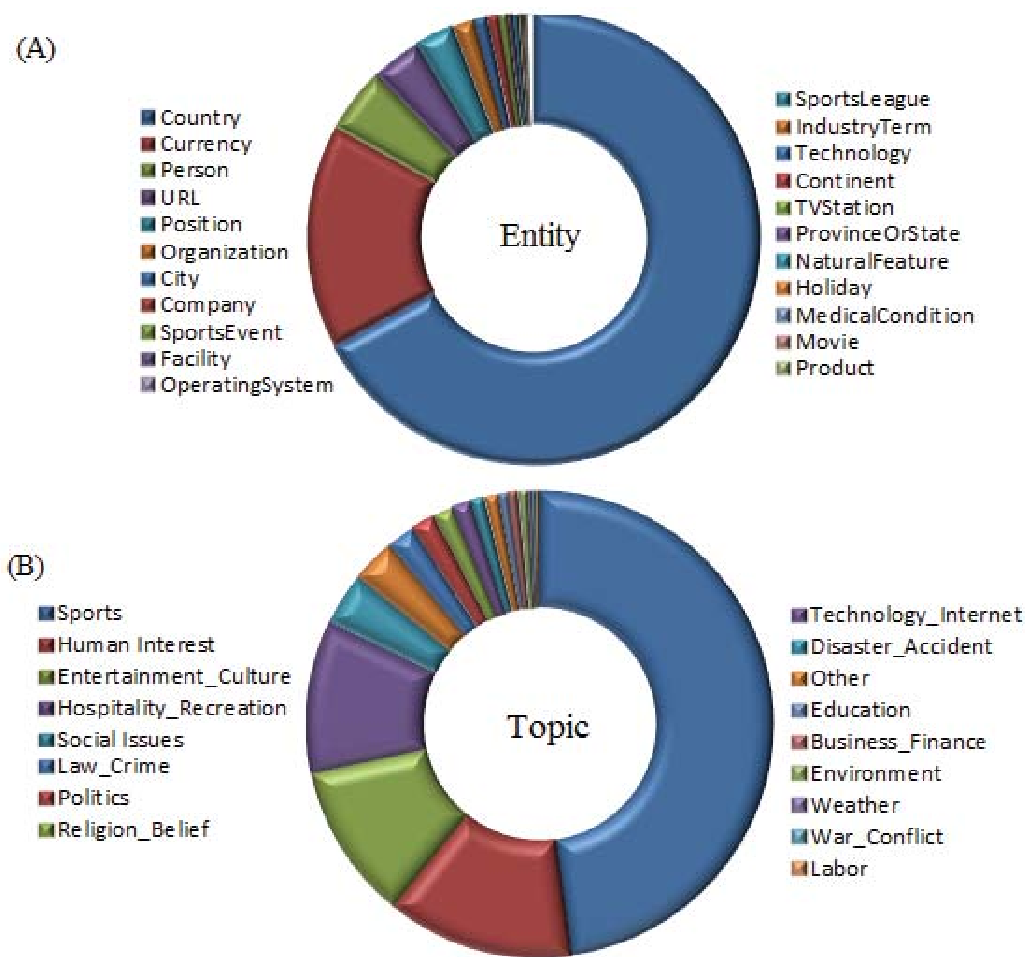 Figure 2: Sentiment distribution for players immediately following goal events, proving the system's real-time accuracy.
Critical Insight: Why This Matters
The genius of this work isn't just "doing NLP on Twitter"—it's the multidimensional integration. Most tools show you a word cloud or a sentiment line graph. This system lets you ask: "What was the sentiment of 'Famous' users in 'Spain' regarding 'David Silva' compared to 'Unpopular' users in 'Italy' during the 10th minute of the game?"
Limitations & Future Directions
While groundbreaking for 2013, the reliance on external APIs (like AlchemyAPI) introduces latency and cost. Today, we would likely see this implemented with Vector Databases and LLMs playing the role of the semantic enricher. However, the core logic of using SCD to track evolving social data remains a "best practice" for modern data engineering.
Conclusion
By "OLAPing" social media, the researchers successfully turned a chaotic stream of consciousness into a structured tool for decision support. It bridges the gap between qualitative social science and quantitative data warehousing.