
Beyond the Lab: How Crowdsourcing and VR Logic Redefine Autonomous Driving QoE
2021 Thirteenth International Conference on Quality of Multimedia Experience (QoMEX)
This paper presents a crowdsourcing-based Quality of Experience (QoE) evaluation of an immersive VR autonomous driving simulation. It compares user perception across two visual rendering formats (low-poly vs. high-poly photogrammetry) and introduces a novel Reliability Score (RS) model to validate remote participant data.
TL;DR
As the pandemic pushed research out of the lab, this study investigates how visual realism and remote "crowdsourcing" affect our perception of self-driving cars. By introducing a Reliability Score (RS) to filter out "noisy" remote data, the researchers found that high-fidelity graphics and familiar environmental cues (like driving on the correct side of the road) are paramount for user acceptance of Autonomous Vehicles (AVs).
The "In the Wild" Dilemma
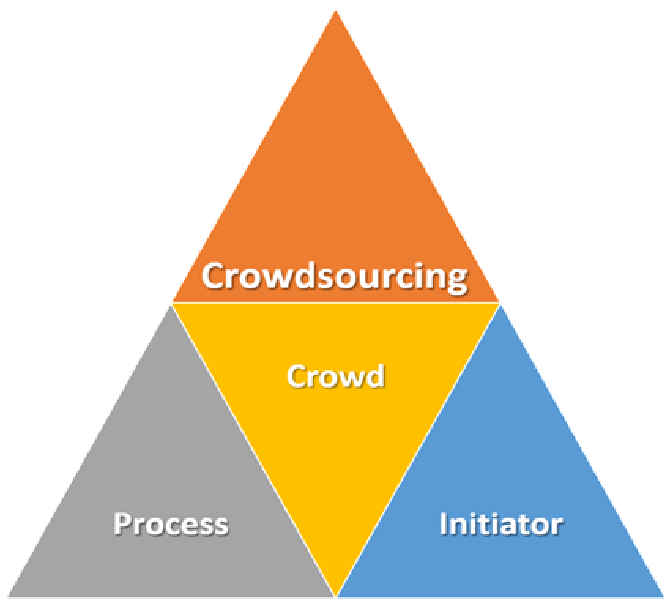
Quality of Experience (QoE) research usually happens in sterile labs with high-end HMDs. But what happens when you move that to the internet? You lose control over the user’s screen resolution, their focus, and even their eyesight. This paper addresses the core challenge: How can we trust subjective data from a crowd of 135 people using their own hardware at home?
Methodology: Perception Meets Mathematics
The study split participants into two groups:
- Low-Poly: Tradiitonal game-like rendering.
- High-Poly: Real-world photogrammetry for maximum realism.
To bridge the gap between "uncontrolled remote users" and "reliable data," the authors proposed a Reliability Score (RS) formula:
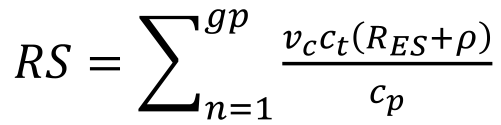
This formula isn't just a number; it is a filter. It considers:
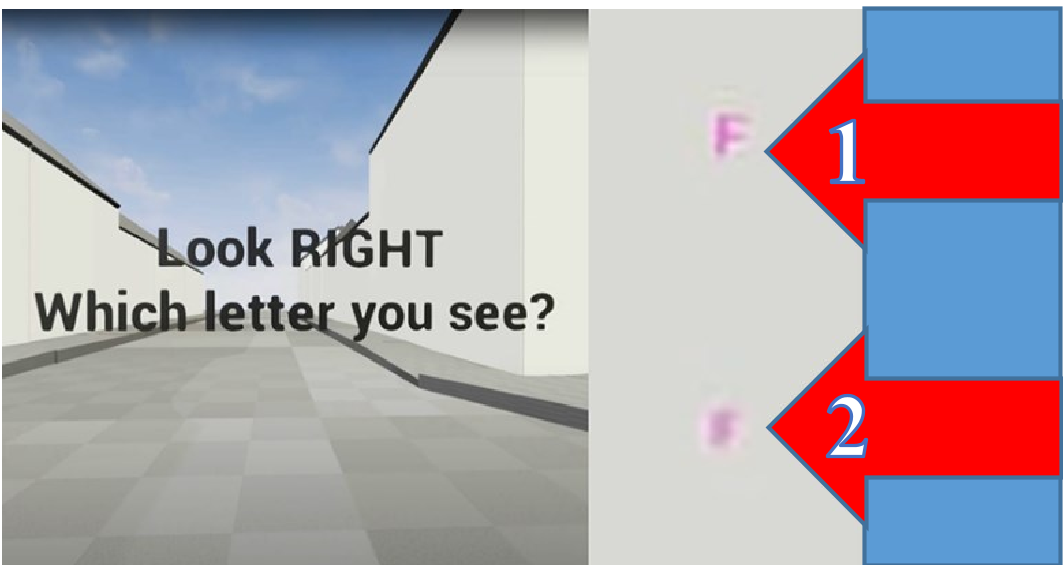
- Vision Checks (): Did the user pass a color-blindness/acuity test?
- Contradiction detection (): Did the user give logically opposing answers?
- System Performance (): Was the video choppy or smooth on their local machine?
Insights from the Data
The results provide a fascinating look at the Human Influence Factors (HIFs):
- Realism Matters: Users in the photogrammetry (high-poly) group felt more "dominant" and in control.
- Reliability is Predictive: Users who were more attentive (High RS) were significantly more likely to want to try AV technology in real life. If a user doesn't understand the task, they don't trust the technology.
- The "Memory" Bias: A critical finding was the impact of habit. Participants used to right-hand driving (e.g., in Ireland) felt the simulation was more "reliable" than those used to left-hand driving. This suggests that cultural familiarity is a hidden metric in AV acceptance.
Critical Analysis & Conclusion
This work successfully transitions QoE from a "Hardware-centric" model to a "Human-centric" model. By using 360-degree video on YouTube, the authors lowered the barrier to entry (no HMD required), but by using their RS formula, they kept the academic bar high.
Takeaway: The future of AV testing isn't just about faster AI; it's about the context of the human experience. If the simulation doesn't match the user's "mental map" (e.g., driving side) or visual expectations (realism), the technology fails the QoE test before it even leaves the virtual garage.
Limitations: The study relied on 2D screens for VR content. While accessible, it lacks the true depth of field provided by Head-Mounted Displays (HMDs), which the authors plan to address in future comparative studies.