
P2P-iSN: Breaking the Walled Gardens of Modern Social Networks
2949_P2P-iSN a peer-to-peer architecture for heterogeneous social networks.
The paper introduces P2P-iSN, a decentralized peer-to-peer architecture designed to integrate heterogeneous Social Network Services (SNSs). It features a Global Relationship Model (GRM) to quantify cross-platform social strength and an i-Search mechanism to discover optimal social paths between users of different networks without relying on centralized SNS providers.
TL;DR
The P2P-iSN framework proposes a decentralized solution to the fragmentation of social networks. By leveraging a peer-to-peer architecture, it allows users on different platforms (like Facebook and Twitter) to connect via a Global Relationship Model. Its core contribution, the i-Search mechanism, efficiently finds social "paths" between users through mutual contacts, achieving up to a 40% success rate in path discovery without taxing centralized servers.
Problem & Motivation: The Silo Effect
Despite the ubiquity of Social Network Services (SNSs), each platform remains an island. Users are forced to maintain redundant profiles and find it nearly impossible to leverage their "relationship capital" from one platform to find someone on another. Previous solutions focused on "Single Sign-On" (like OpenID) or centralized aggregators, but these are often limited by API restrictions and do not address the fundamental need to calculate relationship strength across multiple platforms.
The authors' insight is simple but powerful: The user's device, not the SNS server, should be the point of integration.
Methodology: The Global Relationship Model & P2P Architecture
The system architecture of P2P-iSN consists of two main components:
- Peer Nodes: Installed on user devices, these nodes manage a "Friend List" that maps unique IDs (like phone numbers) across different SNS platforms.
- Index Peer Nodes: These act as a lightweight directory, keeping track of which Peer Nodes are currently online and their IP addresses.
Quantifying Social Strength
To navigate this multi-platform landscape, the authors developed a Global Relationship Model (GRM). It calculates the frequency of interactions () across various activities (Likes, comments, messages) weighted by their importance:
An Interaction Factor is then derived to ensure the relationship is mutual. A path's strength is the product of these factors.
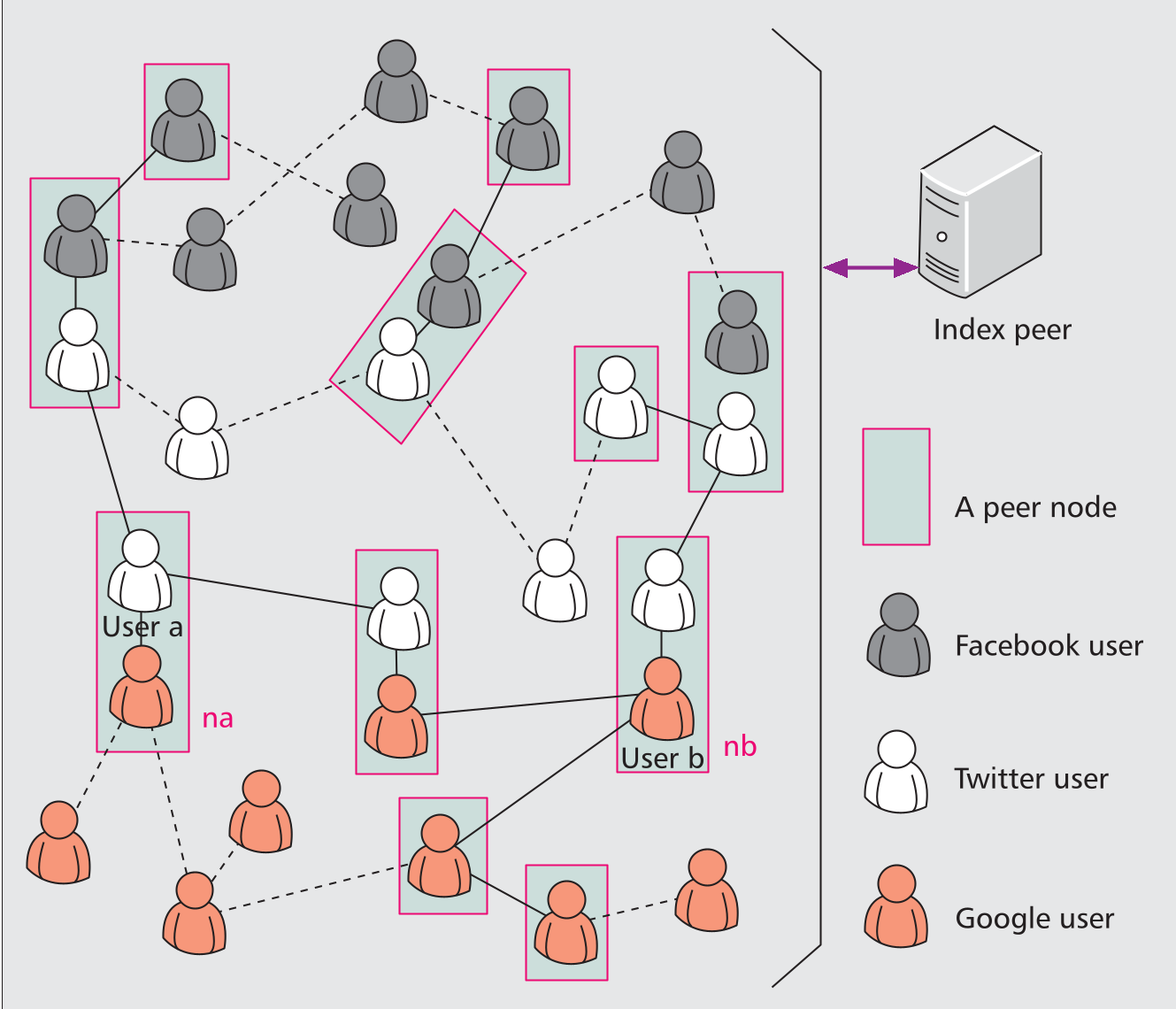 Figure 1: The architecture demonstrates how Peer Nodes interact through a Background Service to exchange i-Search requests.
The i-Search Mechanism
The i-Search algorithm is a modified flooding search. Unlike standard flooding that consumes massive bandwidth, i-Search uses social pruning:
- It only forwards a search request if the relationship strength is above a threshold .
- Because strength decays exponentially with each "hop," the search naturally stays within local social circles (typically 3 hops).
Experiments & Results: Is the Social Path Found?
The authors validated the system using a Watts-Strogatz small-world network model. Their analysis focused on the Path Found Probability ().
Key Findings:
- Online Duration Matters: The probability of finding a path increases significantly as the ratio of "Online Time" to "Offline Time" () increases.
- Network Sparsity: In sparser graphs (higher ), the i-Search mechanism actually performs better because "far-nodes" (long-range social links) are more effective at bridging different social clusters.
- High Probability: With 10 friends per node and consistent online status, the system achieves a ~40% success rate in finding a valid social path across heterogeneous networks.
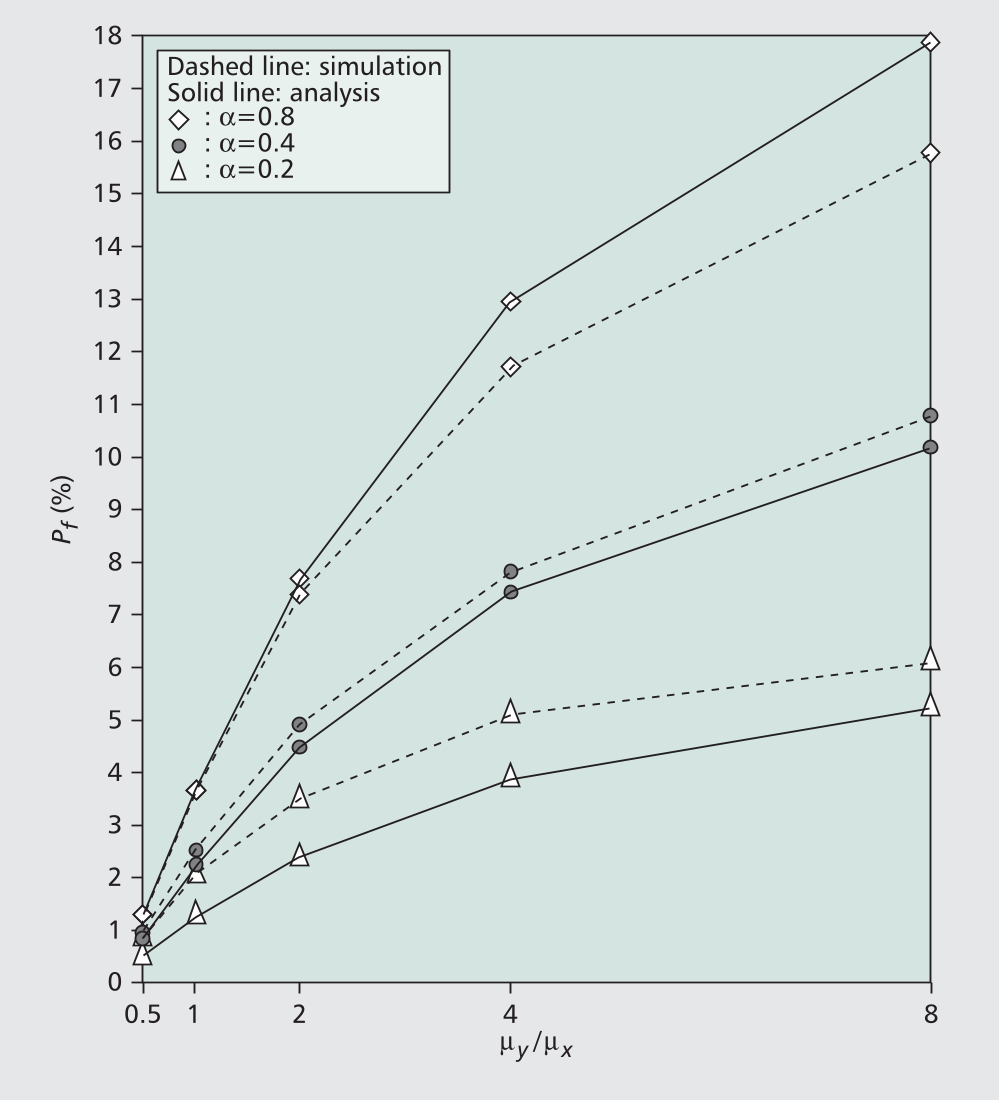 Figure 2: Analysis of Path Found Probability () against network density and connectivity.
Critical Analysis & Conclusion
P2P-iSN is a visionary take on user-centric social networking. By moving the logic of friendship from the server to the peer, it bypasses the competitive barriers set by tech giants.
Takeaways:
- The use of decaying social strength is an elegant way to solve the "broadcast storm" problem in P2P flooding.
- Limitations: The system relies on users being "Online" simultaneously for a path to be established. In a world of mobile-first, asynchronous communication, this could be a bottleneck.
- Future Impact: This research lays the groundwork for decentralized identity (DID) systems where your social graph is owned by you, residing on your hardware, rather than being a commodity on a corporate server.
By combining sociology-inspired models with distributed systems, P2P-iSN offers a roadmap toward a truly integrated and open social web.