
I Seek You: Decoding the Hidden Overlap Between Facebook and MySpace
3664_I seek you searching and matching individuals in social networks.
This paper presents "I Seek You," a system designed to search and match individuals across disparate Online Social Networks (OSNs), specifically Facebook and MySpace. By utilizing "search chains" of biographical attributes and a boosting-based classifier, the study achieves high-accuracy entity resolution and quantifies user overlap and activity patterns.
TL;DR
In the late 2000s, as the "Social Network Wars" heated up, researchers Marti Motoyama and George Varghese asked a fundamental question: How many people are actually using both Facebook and MySpace, and how do we find them when email addresses fail? They built a sophisticated crawler and a machine-learning classifier to match identities across platforms, discovering that while many people possess accounts on both, they rarely keep both active simultaneously.
Background: Beyond the Email Search
Most Online Social Networks (OSNs) offer "Friend Finder" tools based on email imports. However, the authors argue this is a "broken" primary key. Users often use multiple aliases, different emails for different registrations, or simply want to find long-lost friends whose current emails they don't know. To bridge this gap, we must rely on "Biographical Attributes"—a messy, inconsistent, and often non-unique set of data points like names, ages, and hometowns.
The "Search Chain" Methodology
The core technical challenge is Ambiguity. A search for "John Smith" on Facebook might return 144,000 results. The authors developed a Search Chain approach:
- Initial Query: Search by Name.
- Thresholding: If results > 10, add a geographical filter (Country/City).
- Refinement: If still too many, add specific "discriminating" features like University or Employer.
Systematic Data Collection
To validate their approach, they built a distributed architecture of "Workers" (crawlers), "Supervisors" (data miners), and "Vaults" (database storage).
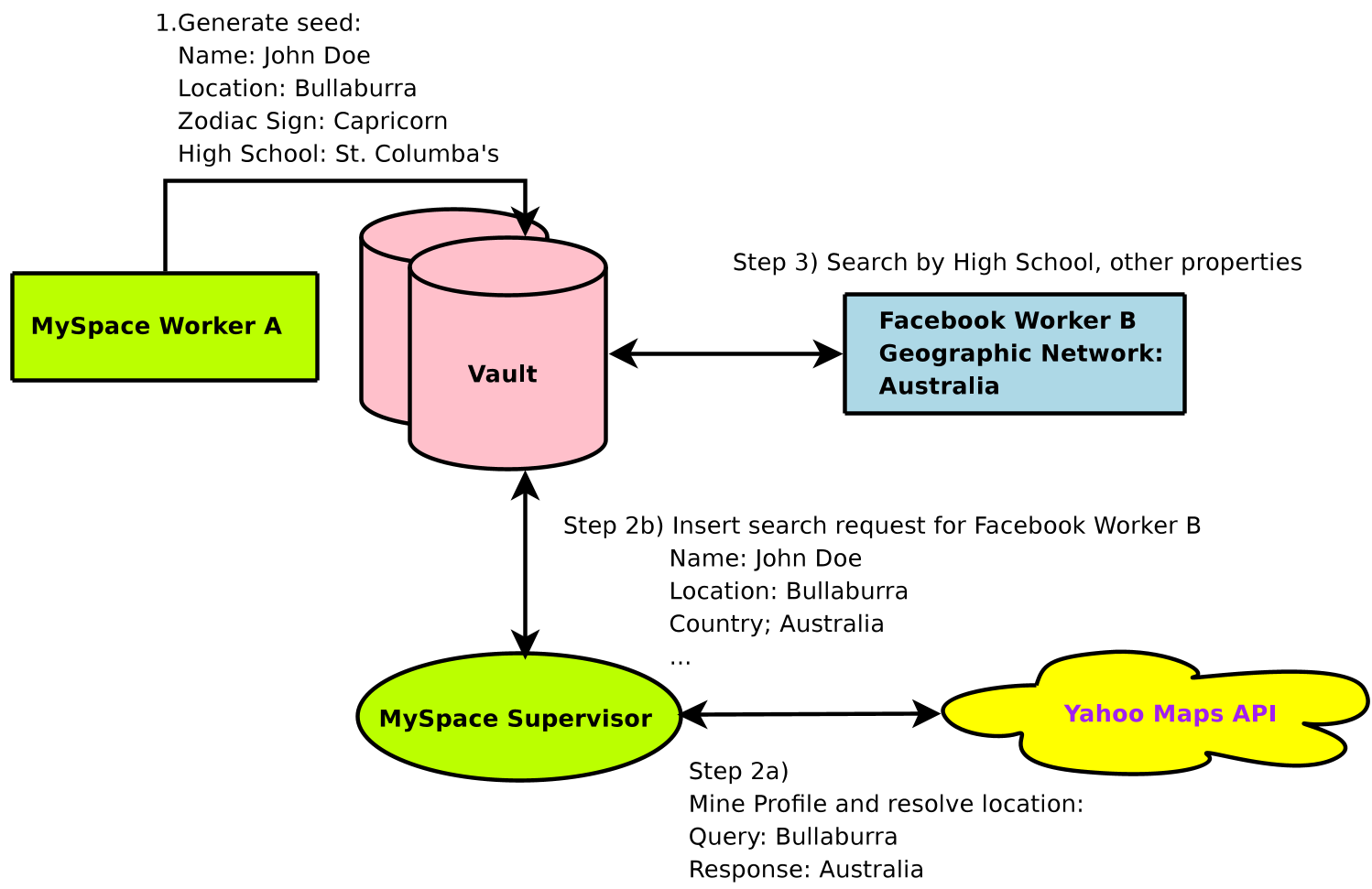 Figure 1: The crawling infrastructure deployed on virtual machines to bypass geographic restrictions.
The Matching Engine: Boosting for Entity Resolution
Once a search returns a set of candidates, how do you know if "Candidate A" is the same person as "Seed User S"? The authors used Boosting, a machine learning technique that combines multiple "weak hypotheses" (stumps) into a strong classifier.
- Features included: Bag-of-words similarity for locations, birthdate matching, and even Friend Name Overlap (counting how many friends the two profiles share by name).
- Validation: They validated the classifier using an ROC curve, prioritizing a low False Positive rate (<5%) to ensure the overlap numbers were a conservative lower bound.
Critical Insights: Why Users Maintain Multiple Identities
The results from 2009 provide a fascinating window into social media evolution:
1. Active vs. Formal Overlap
Just because someone has a MySpace account doesn't mean they use it. The researchers defined "Active Overlap" based on timestamped actions (wall posts, blogs). They found that only 58% of dual-platform users were active on both within a one-month window. This suggests that as users migrate to new platforms (like the shift from MySpace to Facebook), the old accounts often become "ghost towns."
2. The Reachability Hypothesis
Why stay on both? The data showed a massive Friend Variation (average difference of 210 friends). This supports the idea that users don't just replicate their social circle; they use different platforms to reach disjoint groups of people.
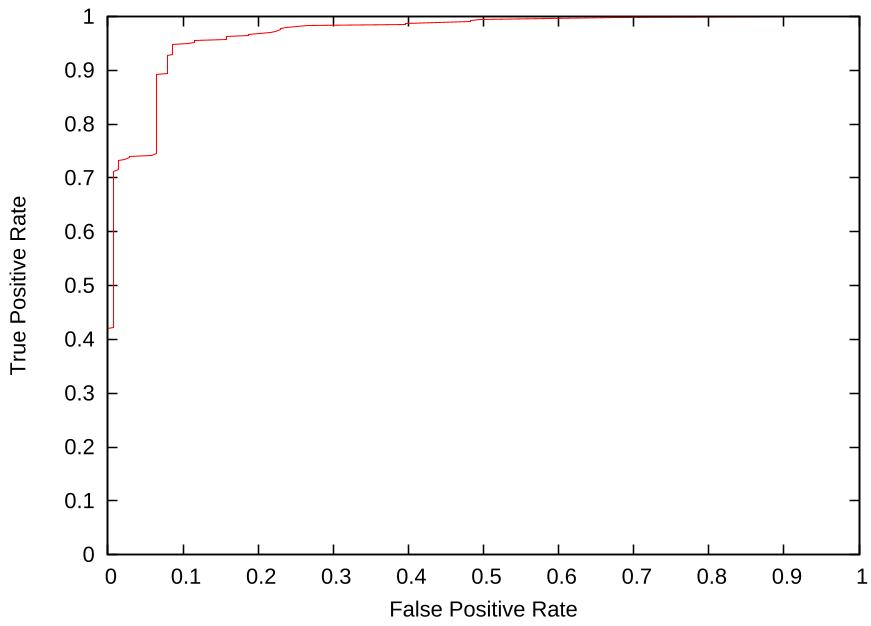 Table 2: Analysis of which combinations of attributes (Keys) actually led to successful matches.
3. Privacy Paradox
The study found a conflict in privacy settings: users often had "Public" Facebook profiles (within their networks) but "Private" MySpace profiles. This was attributed to the high volume of spammers on MySpace at the time, forcing users to be more defensive on that specific platform.
Conclusion & Takeaways
The "I Seek You" framework proved that biographical content analysis is a powerful tool for entity resolution. The most effective search combination was Name + Education, which was 5 times more effective than using Name + Workplace.
From a product perspective, the study warned social network aggregators that the "market" for synchronization tools might be smaller than it looks, as most users naturally let one profile "die" while favoring another. This phenomenon remains highly relevant today as users shift from platforms like X (Twitter) to Threads or Mastodon.