
Beyond the Follower Count: The Fallacy of Popularity in Social Information Spread
5776_Are the popular users always important for information dissemination in online social networks
The paper investigates whether popular users (those with high degrees) are truly the most influential nodes for information dissemination in Online Social Networks (OSNs). By comparing degree centrality against coreness, betweenness, and community bridges on a real Facebook dataset, it demonstrates that popular users are often sub-optimal for speed, scale, and controllability.
TL;DR
In the world of Online Social Networks (OSNs), we often assume that "popular" users—those with the most followers—are the masters of information flow. This paper by researchers at Deakin University shatters that intuition. Using real-world Facebook data, they prove that high-degree nodes (popular users) are often slower at spreading news, reach fewer people than structural bridges, and are remarkably poor at controlling how rumors jump between communities.
The "Popularity" Illusion
When a rumor or a piece of malware hits a platform like Twitter or Facebook, authorities and researchers naturally pivot toward "Popular Users." The logic is simple: more connections equals more reach.
However, the authors point out a critical flaw: Connectivity does not equal Centrality. A user might have thousands of connections within a single, isolated "leaf" community, giving them a high degree but zero influence over the rest of the network. Conversely, a "bridge" user might only have a few dozen followers but sit strategically between two massive social clusters.
Methodology: The Four Dimensions of Influence
To test the importance of popular users, the authors compared the Degree Measure against three more sophisticated topological metrics:
- K-Shell Core: Decomposes the network into layers. The innermost shell is the "core."
- Betweenness: Measures how many shortest paths pass through a node.
- Community Bridges: Nodes that link different (sometimes overlapping) social groups.
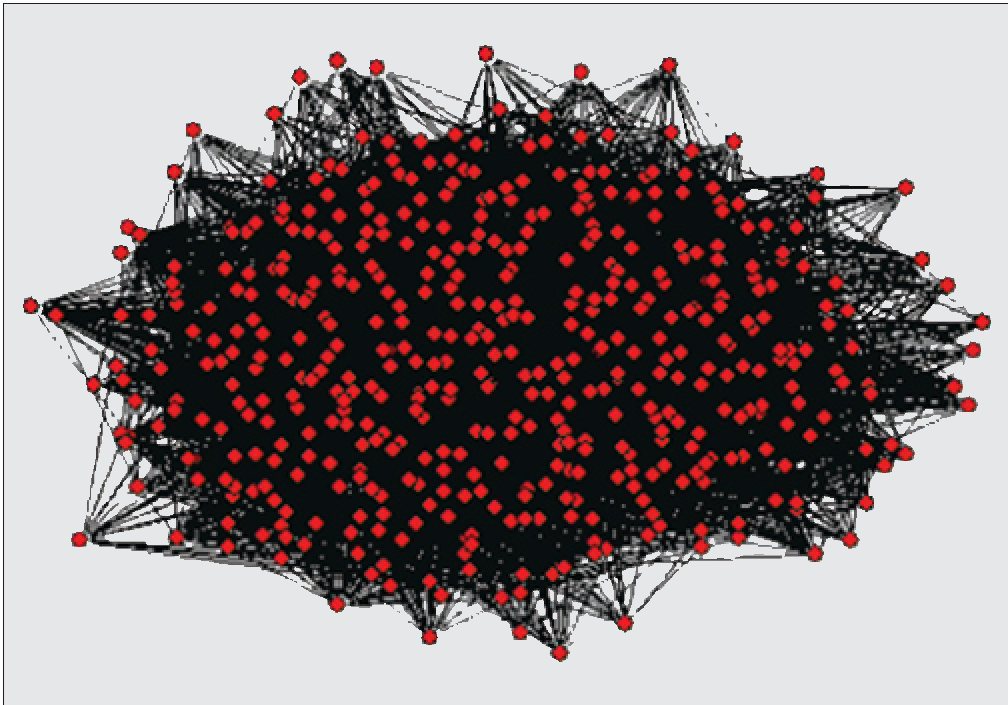 Figure 1: Illustration of different measures—Degree, Betweenness, Core, and Community Bridges.
Key Findings: Why "Popular" isn't "Important"
1. Speed vs. Popularity
The researchers simulated rumor propagation on Facebook. They found that nodes in the k-shell core spread information much faster than high-degree nodes. In fact, many high-degree nodes are located in the periphery of the network. If you want to stop a rumor fast, you don't look for the person with the most friends; you look for the person in the network's structural heart.
2. Scale and the Betweenness Gap
When it comes to the total number of people reached (scale), Betweenness outperformed Degree. Highly-connected nodes often have redundant connections within the same circles, whereas high-betweenness nodes act as bottlenecks.
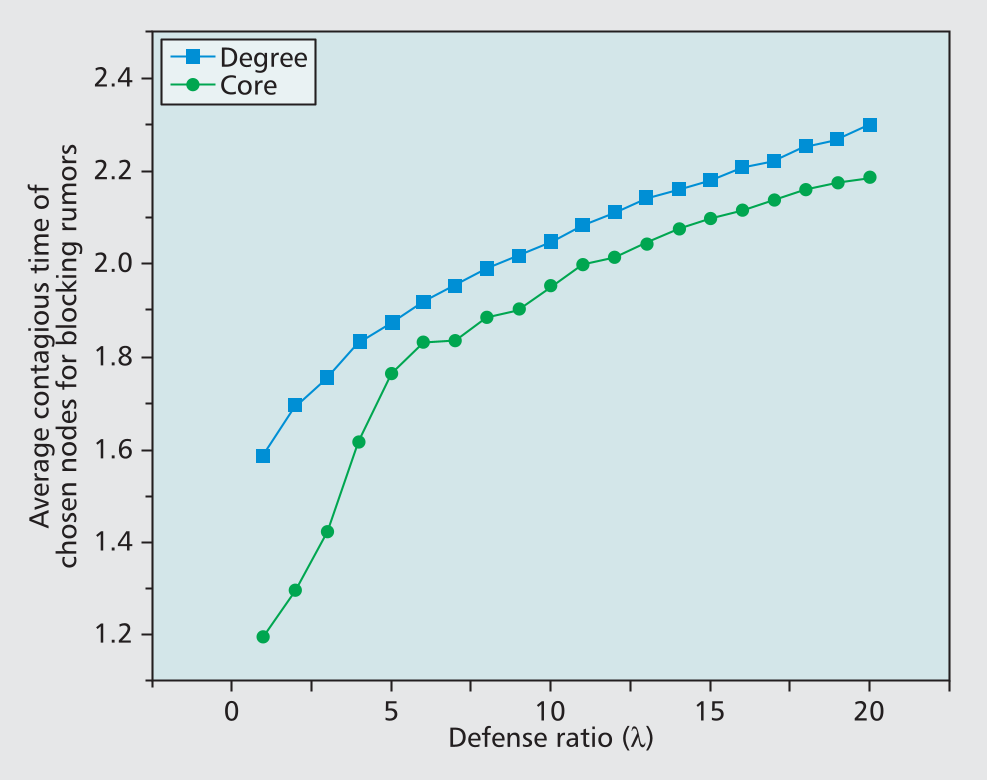 Figure 2: Analysis showing that high-degree nodes do not necessarily overlap with k-core or high-betweenness nodes.
3. The Controllability Problem
To stop a rumor from moving from a "Political" community to a "Stock Market" community, you must identify Bridges. The study revealed that degree centrality is a weak predictor of these bridges. As shown in the experimental results, popular users capture only a fraction of the "overlapped community bridges" required to contain information effectively.
Experimental Validation
The paper provides compelling evidence through simulation:
- Contagious Time: Nodes captured by core measures were infected much earlier than those identified by degree.
- Defense Ratio: When blocking rumors, targeting high-betweenness nodes led to a significantly lower final "believer" count compared to targeting high-degree nodes.
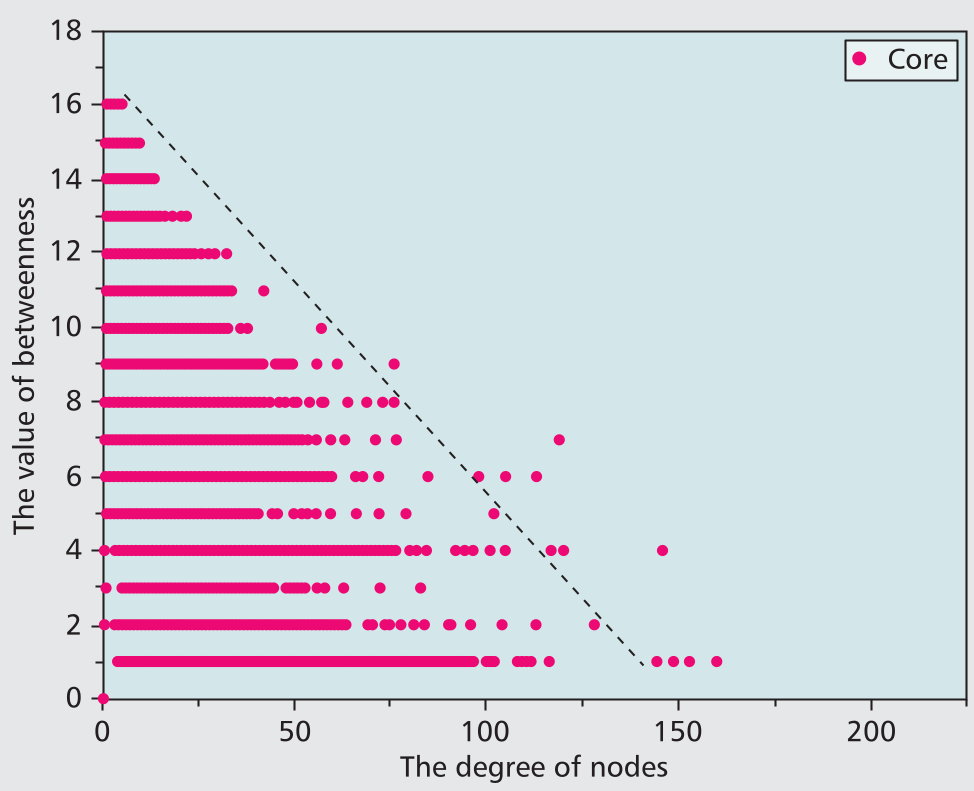 Figure 3: Average contagious time and defense performance across different measures.
Critical Insight & Conclusion
This research provides a vital "reality check" for OSN security. The Takeaway: If you are designing a system to fight misinformation or boost a marketing campaign, stop looking at the follower count.
The true "VIPs" of information dissemination are often hidden:
- The Core drives the speed.
- The Bridges drive the reach.
- The Popular are often just loud in a very small room.
Limitations: The study acknowledges that real-world factors like time zones and human behavior (reciprocal propagation) are harder to model mathematically. Identifying the "optimal" set of nodes remains an NP-hard problem, but moving beyond simple degree counts is the first step toward more intelligent social network intervention.