
Digital Shepherds: Transforming Agriculture with Pervasive Wireless Sensor Networks
6056_Transforming Agriculture through Pervasive Wireless Sensor Networks.
This paper introduces a pervasive wireless sensor network (WSN) system designed for large-scale outdoor agriculture, utilizing the "Fleck" hardware series to bridge the gap between environmental monitoring and animal behavioral analysis. By combining solar-powered static nodes for soil/pasture assessment with animal-borne mobile nodes, it achieves a "smart farm" capable of autonomous data collection and activity classification.
TL;DR
Researchers at CSIRO have pioneered a "Smart Farm" ecosystem that merges solar-powered static sensors with animal-borne mobile nodes. By moving beyond simple data logging to complex behavioral classification and "virtual fencing" concepts, this work demonstrates how pervasive computing can solve labor shortages and environmental degradation in large-scale agriculture.
The Motivation: Why the "Smart Farm" is Necessary
Modern agriculture is caught in a paradox: farms are getting larger while the labor force is shrinking and aging. In the UK and US, the number of farms has plummeted by over 60% since the mid-20th century. This consolidation leads to a loss of "personalized care" for both animals and soil, often resulting in overgrazing, erosion, and disease outbreaks that aren't noticed until it's too late.
The CSIRO team identified that static fences (which account for 30% of rearing costs) are inefficient and often prevent optimal use of land. The solution? A pervasive network that can "see" pasture health and "understand" animal intent in real-time.
Methodology: The "Fleck" Platform and Solar Survivability
A major contribution of this work is the development of the Fleck hardware series (Fleck-1, 2, and 3). Unlike typical lab-grade sensors, these were designed for the brutal Australian outback.
1. Robust Architecture
The Fleck-3 platform utilizes an Atmega 128 microcontroller and Nordic radios with a range exceeding 1 km. Its defining feature is a built-in solar battery-charging circuit.
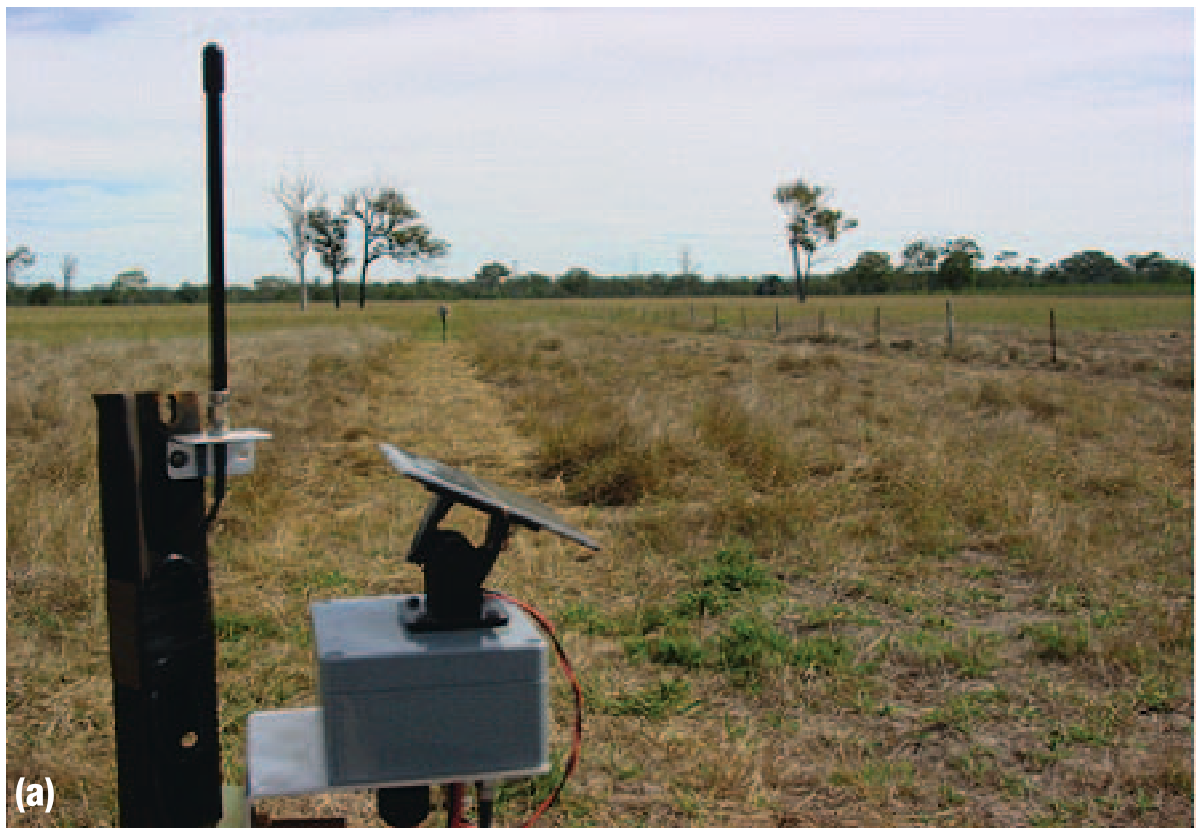 Figure 1: Energy harvesting analysis showing that solar output (80-400 kJ/month) significantly exceeds the system's power consumption, ensuring indefinite operation.
2. Pasture Assessment
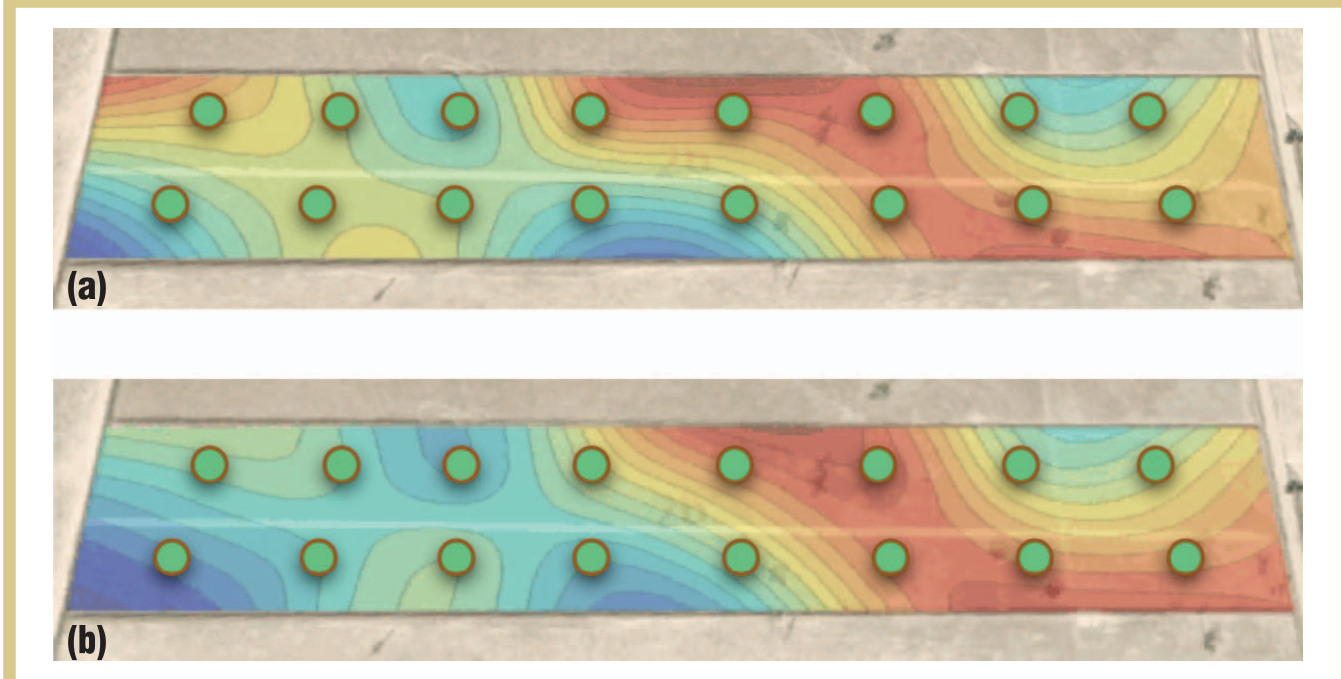
The system uses static nodes to create a "digital twin" of the soil. By applying spline-interpolation to data from capacitance-based moisture sensors, the system generates color-coded contour plots. This allows farmers to see the impact of irrigation and grass growth without stepping foot in the field.
Cattle as Mobile Nodes: Behavioral Analytics
The most innovative aspect involves the animal collars. These are not just GPS trackers; they are mobile sensor hubs equipped with triaxial accelerometers and magnetometers.
- Self-Calibration: The system automatically calibrates magnetometers by fitting an "ellipsoid model" to data generated by the cow's natural movement, eliminating the need for manual setup for each animal.
- Behavioral Clustering: By plotting animal speed (GPS) against the Signal Magnitude Area (Accelerometer), the authors could clearly identify clusters representing grazing, ruminating, and sleeping.
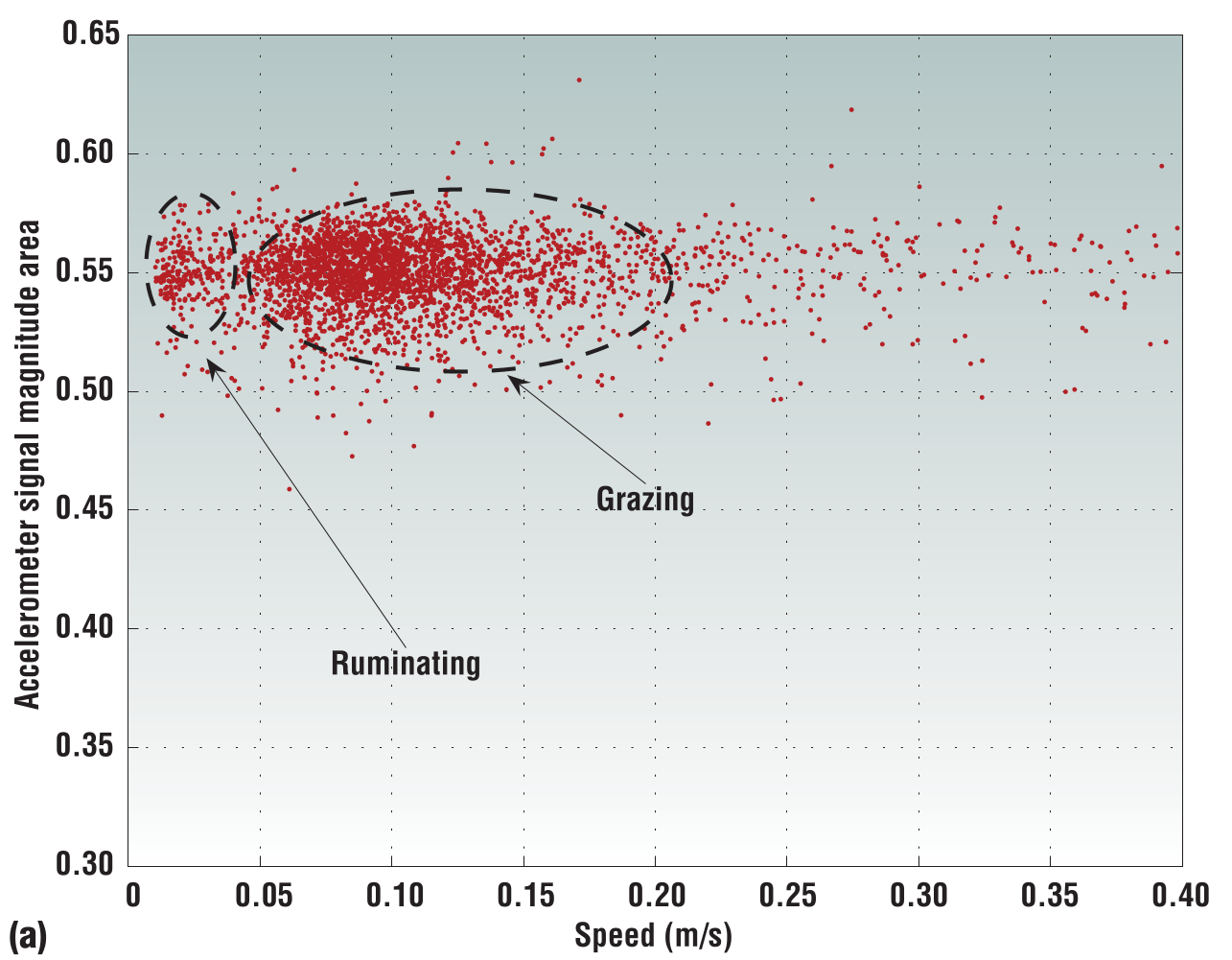 Figure 2: Scatter plots distinguishing active grazing (Day) from limited activity (Night), providing a template for automated herd health monitoring.
Challenges in the Field
The deployment revealed a surprising "near-field effect" in communication. Due to antenna mounting constraints and signal absorption by the animal's body, communication was actually worse when cows were extremely close together compared to when they were 20-30 meters apart. Furthermore, the cattle's natural behavior—rubbing against trees and chewing on neighbors' collars—required shifting from optimal vertical whip antennas to flush-mounted designs.
Takeaway & Future Outlook
This research proves that WSNs can provide a level of "situational awareness" previously impossible in agriculture. The CSIRO team is now moving toward Behavior Control. By applying stimuli (digital cues) to cattle based on their sensor-detected position, they are developing "Virtual Fences" that could eliminate physical barriers entirely. This work forms the foundation for a future where the farm is a closed-loop, heterogeneous control system of humans, animals, and autonomous sensors.