
AMCOSOP: Bridging the Digital Divide via User-Centered Assistive Systems
696_On an advanced ICT-enabled system for the social inclusion of the elderly.
The paper introduces AMCOSOP, an advanced ICT-enabled system designed to enhance the social inclusion of elderly people through a multi-modal service platform. It integrates a dedicated Home Terminal, a Service Platform, and mobile/web applications to bridge the digital divide for the aging population.
TL;DR
Social isolation is a growing crisis among the elderly. The AMCOSOP project addresses this by deploying a specialized ICT (Information and Communication Technology) ecosystem. By combining a simplified Home Terminal with a robust backend Service Platform, the system ensures that the elderly stay connected with their families without being overwhelmed by technical complexity.
Context & Motivation: The Invisible Barrier
As society digitizes, the elderly are often left behind — not due to a lack of interest, but due to an accessibility gap. Most modern interfaces assume high digital literacy and sharp motor skills. The AMCOSOP paper argues that social inclusion is a fundamental human right that current technology ignores. The authors' motivation was to create a system where "usability" is the core feature, not an afterthought, transforming a house into a socially connected home.
Methodology: Designing for the Primary and Secondary User
The strength of AMCOSOP lies in its bilateral architecture. It doesn't just design for the elderly (Primary User); it also designs for the support network (Secondary Users).
1. The Multi-Phase Development Loop
The researchers followed a strict iterative process to ensure the technical specifications met the actual physical and cognitive needs of users.
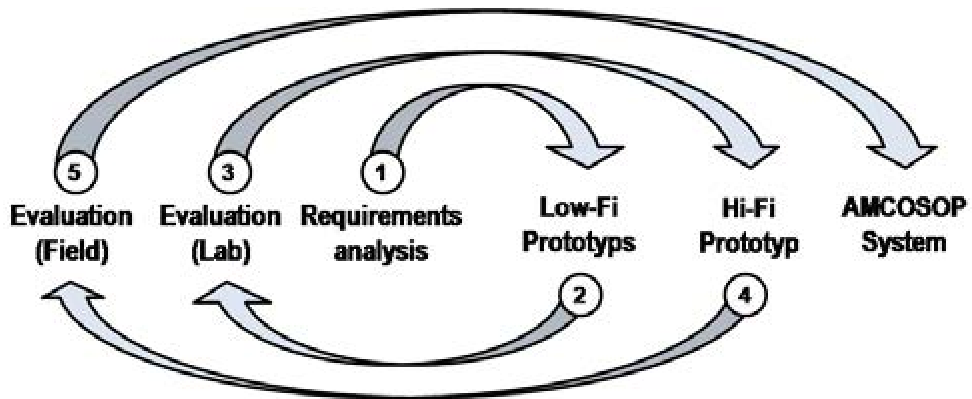 Figure 2: The phasing strategy used to refine requirements through real-world feedback.
2. System Components
The architecture is comprised of:
- Home Terminal: A simplified tablet-like interface focusing on high-contrast, large-touch targets.
- Service Platform: The "brain" of the operation, featuring a User Modeling Component that adapts services based on individual user profiles.
- Secondary User Apps: Web and mobile interfaces for family members to check in and communicate.
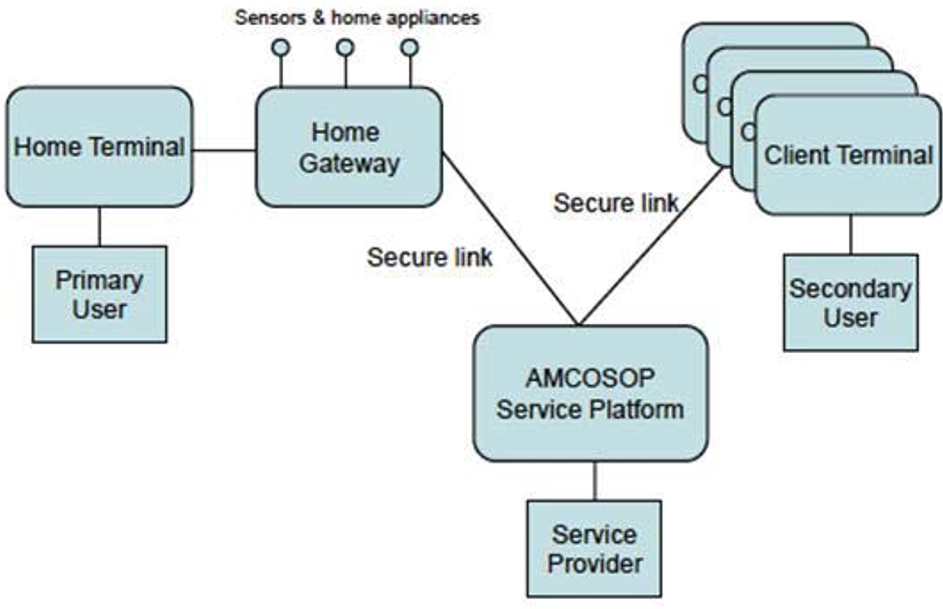 Figure 4: The interaction flow between the elderly home environment and the external service cloud.
Critical Insight: Interaction over Surveillance
While many "Smart Home" projects for the elderly focus on fall detection or heart rate monitoring, AMCOSOP prioritizes Instant Messaging and Social Presence. The system architecture includes a dedicated Instant Messaging Server and a Dispatcher that manages social requests, treating a "hello" from a grandchild as a high-priority system event.
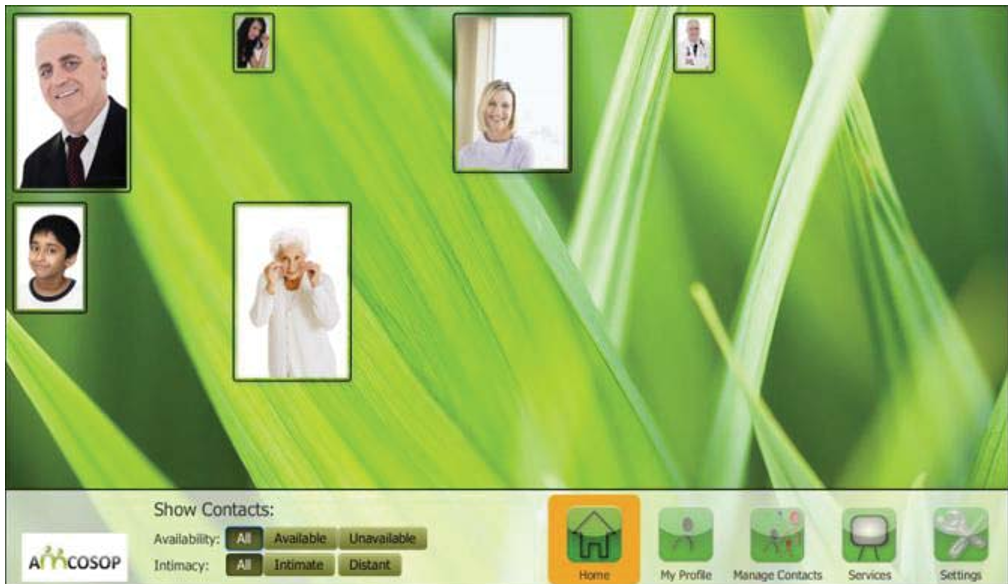 Figure 5: The simplified interface designed to provide high utility with minimal cognitive friction.
Conclusion and Future Outlook
AMCOSOP represents a pivotal shift towards painless ICT. The paper concludes that for social inclusion projects to succeed, the infrastructure must be invisible.
Key Takeaways:
- User-Centered Design (UCD) is non-negotiable for the assistive market.
- Service Dispatching allows the system to scale beyond simple communication to include professional home care and emergency services.
- Future Work will likely integrate more proactive "User Modeling," where the system uses AI to predict when a user might be feeling isolated and suggests a call to a family member.
The project serves as a blueprint for modern AAL (Ambient Assisted Living) systems, proving that with the right architecture, technology can be a bridge rather than a wall.