
Scaling Truth: A Structured Crowdsourcing Framework for Rigorous Fact-Checking
7297_Towards Fact-Checking through Crowdsourcing.
The paper proposes a structured crowdsourcing process significantly enhanced for fake news detection and fact-checking. By integrating professional fact-checking standards with decentralized human intelligence, the method aims to provide a scalable and transparent solution to information veracity.
TL;DR
In an era of viral misinformation, professional fact-checkers are overwhelmed. This paper proposes a robust, crowdsourced fact-checking process that bridges the gap between decentralized human effort and professional journalistic standards. By implementing a sophisticated 14-label classification system and adhering to IFCN principles, the authors provide a blueprint for a scalable, transparent, and highly nuanced veracity verification engine.
The Misinformation Bottleneck
Despite the advancement of AI, "Fake News" remains a deeply contextual problem that requires human judgment. However, professional fact-checking organizations (like Snopes or PolitiFact) face a throughput problem: they cannot keep up with the volume of social media posts. Conversely, existing crowdsourcing platforms often suffer from bias, lack of transparency, and oversimplified "True/False" metrics that fail to capture "Half-truths" or "Outdated" contexts.
The motivation behind this work is to inject professional rigor into the crowd, allowing non-experts to follow a structured methodology that mimics high-level investigative journalism.
Methodology: The Anatomy of a Veracity Pipeline
The core of the paper lies in a transition from "Opinion-based Voting" to "Evidence-based Verification." The process is built on several pillars of the International Fact-Checking Network (IFCN):
- Methodological Transparency: Every step of the fact-check must be traceable.
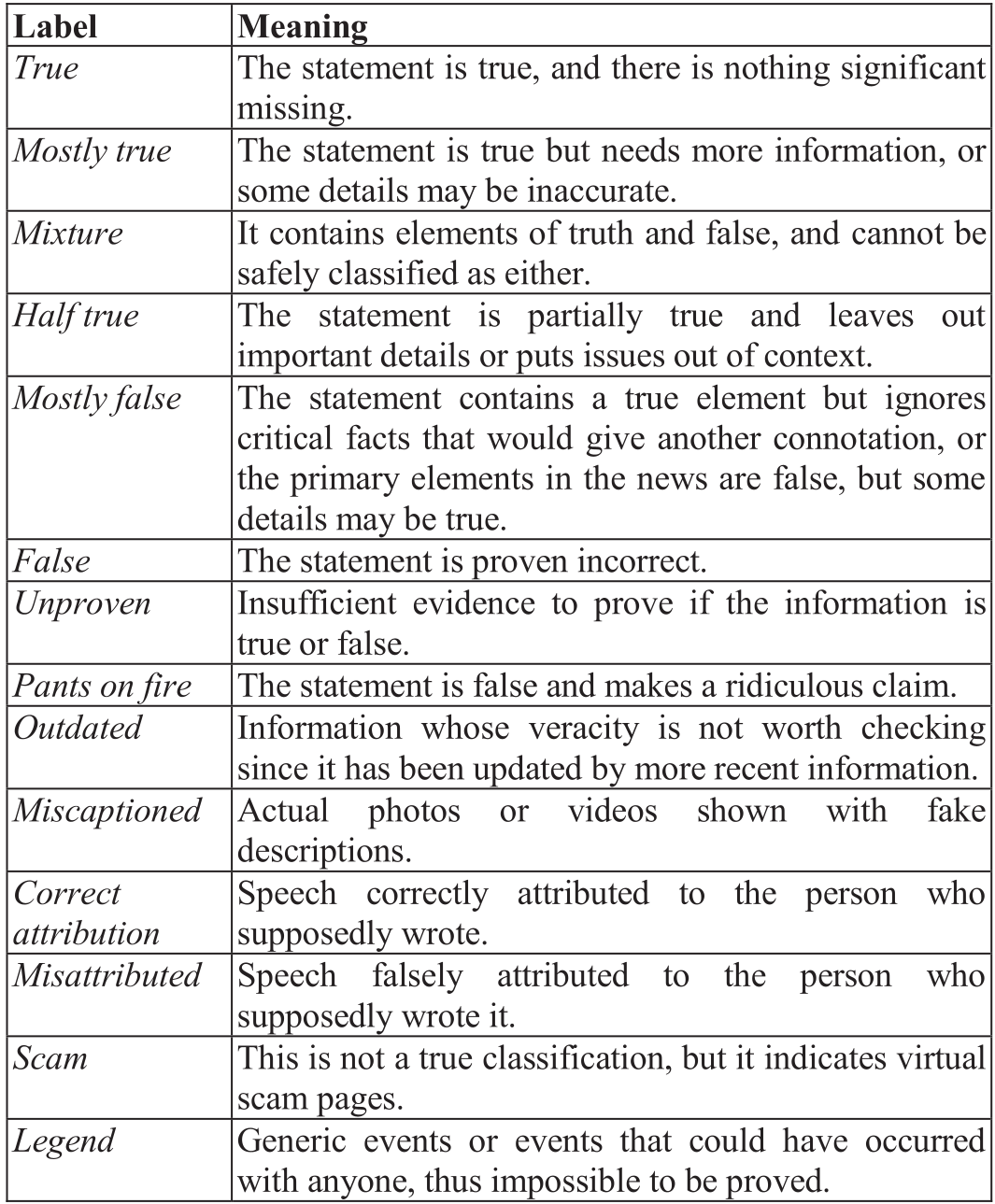
- Granular Labeling: Instead of binary classifications, the paper uses a comprehensive set of 14 labels (see table below).
The Classification Architecture
To handle the ambiguity of online discourse, the authors utilize a diverse labeling system that includes categories like Miscaptioned, Correct Attribution, and Pants on Fire.
The Proposed Process Flow
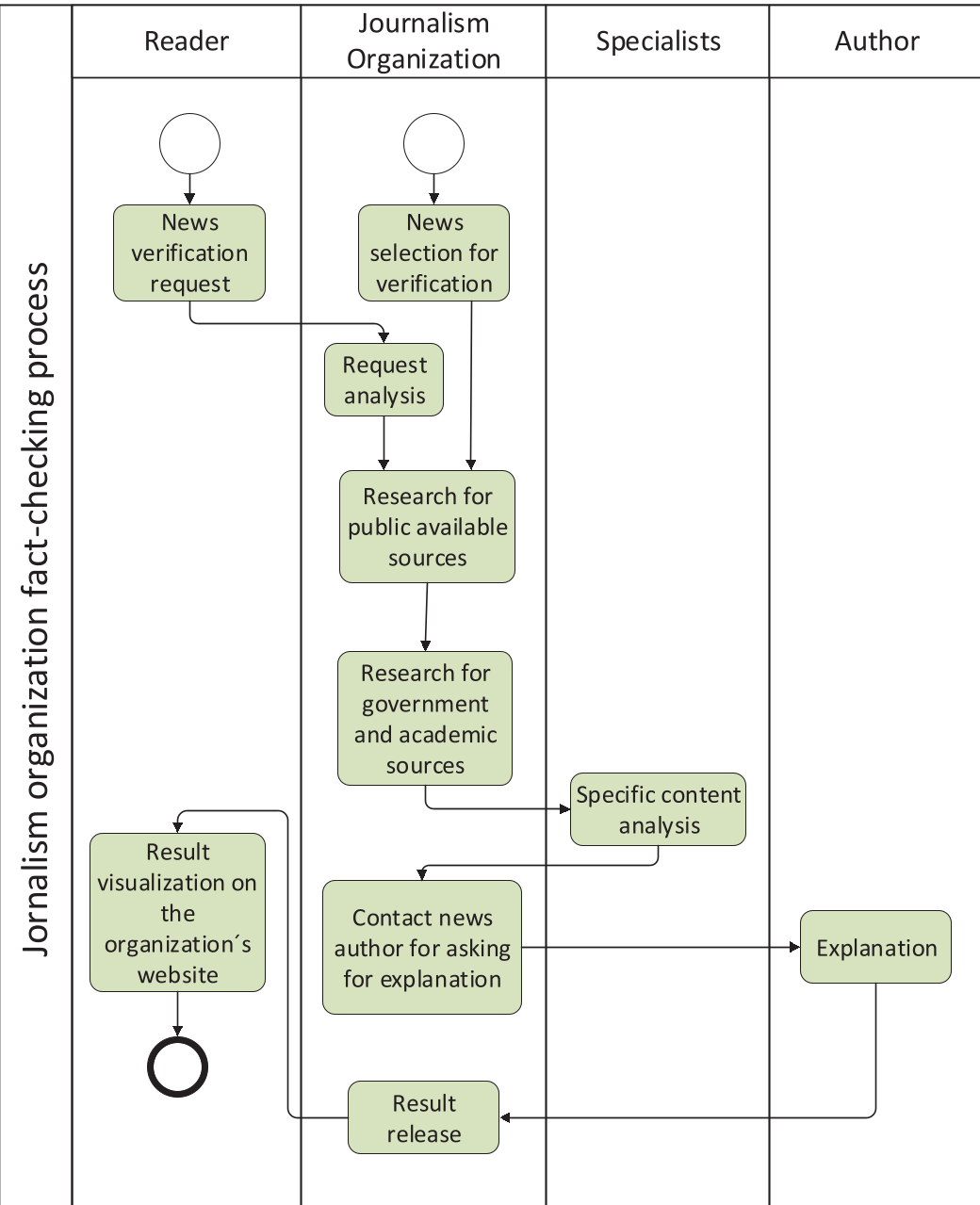
The workflow involves multiple agents and verification stages, ensuring that no single user can bias the outcome. This multi-layered approach filters raw claims through a sieve of evidence-gathering and cross-referencing.
Experiments and Implementation Highlights
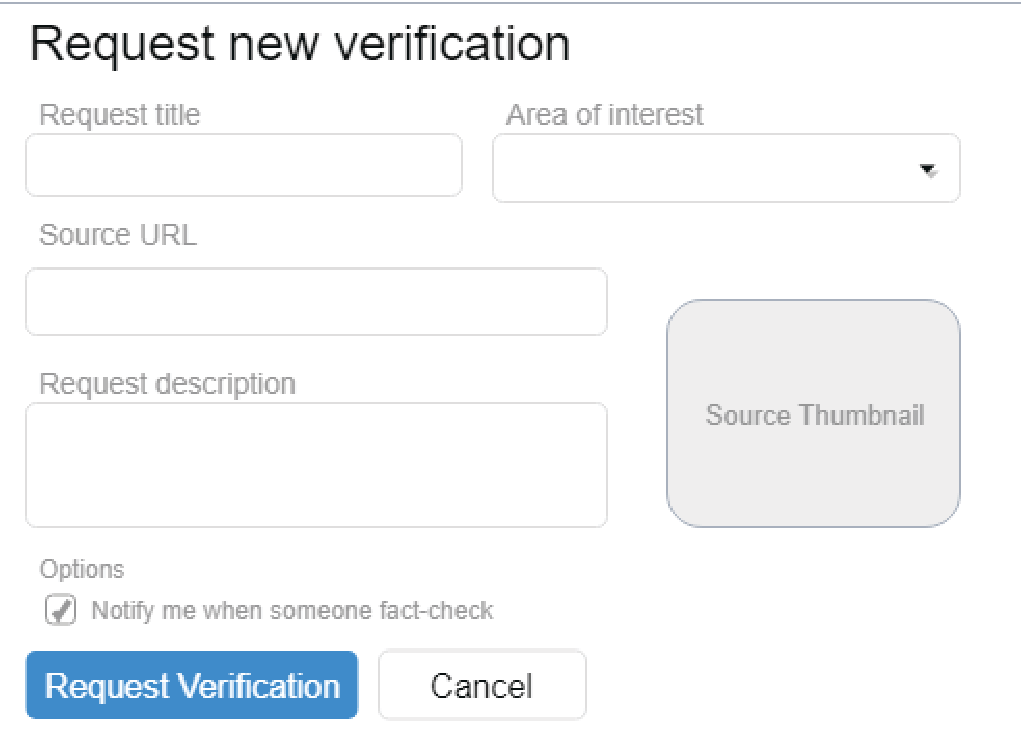
The proposed system was implemented with a focus on usability and data integrity. Key features include:
- Source Transparency: Users are required to provide the provenance of their evidence.
- Veracity Mapping: The 14 granular labels are ultimately mapped to 5 high-level categories (True, Partially True, Inconclusive, Non-verifiable, False) for end-user consumption.
- Conflict Resolution: The system provides mechanisms to deal with "Unproven" or "Inconclusive" scenarios where evidence is conflicting.
Critical Insight: Why This Matters
The real value of this paper isn't just in the "Crowdsourcing" label—it is in the Structured Taxonomy. By breaking down "Fake News" into specific subtypes like Legend, Scam, or Misattributed, the process provides a rich dataset that could eventually be used to train more sophisticated AI models.
Limitations and Future Outlook
While the human-in-the-loop system is rigorous, it still faces challenges regarding:
- Incentive Structures: How do we prevent bad actors from gaming the crowdsourcing system?
- Latency: Even with a crowd, the 14-label verification takes more time than a simple upvote/downvote.
In the future, the integration of Large Language Models (LLMs) as "Co-pilots" for these crowd-workers could further accelerate the process by automatically retrieving sources, while the human crowd provides the final moral and contextual audit.
Conclusion
This paper serves as a critical bridge between the "Wild West" of social media and the "Ivory Tower" of professional fact-checking. By formalizing the crowdsourcing process, it offers a pathway to a more truthful digital ecosystem where scalability does not come at the cost of accuracy.