
Autcraft: Engineering a "Place to Play" Through Digital Embodiment
A Place to Play: The (Dis)Abled Embodied Experience for Autistic Children in Online Spaces
This ethnographic study investigates "Autcraft," a semi-private Minecraft server designed for autistic children, to understand how online environments facilitate social play. The research introduces the concept of "topos-mediated ludic sociality," demonstrating how virtual spaces provide an accessible, "enabled" embodied experience that physical environments often lack for neurodivergent youth.
TL;DR
For many autistic children, the physical playground isn't a place of joy—it's a site of sensory overload and social exclusion. This research dives into Autcraft, a specialized Minecraft community, to argue that virtual worlds aren't just "escapes"; they are vital, "real" spaces where the disabled body is transformed into an enabled one through digital mediation.
The Problem: The "Dis-abling" Physical World
In the traditional view of child development, face-to-face play is the gold standard. However, this academic bias ignores the Disabled Embodied Experience. For an autistic child, the physical requirements of "normal" sociality—maintaining eye contact, managing loud noises, and navigating physical touch—can be a source of trauma. When a child’s body does not "fit" the environment, the environment disables them.
The author, Kathryn Ringland, challenges the "technology as a fix" narrative. Instead of trying to use computers to "train" autistic kids to act neurotypical, we should ask: How can we design spaces that fit their bodies?
Methodology: The Three Layers of Access
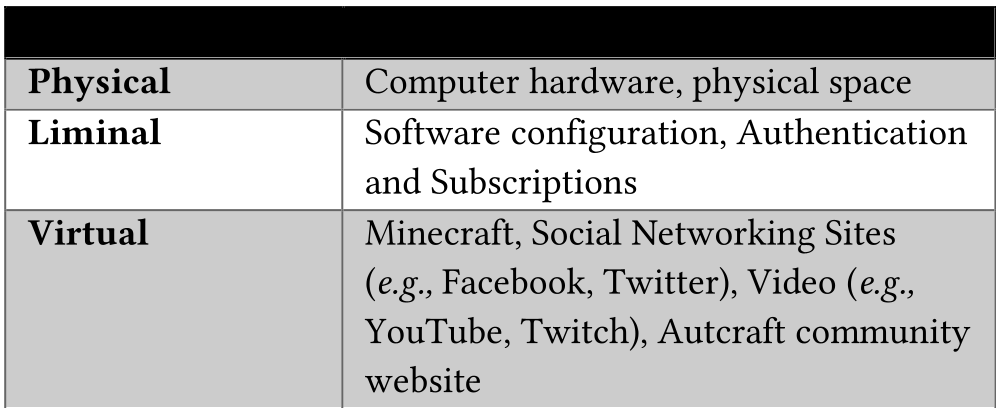
The paper breaks down the Autcraft experience into three critical layers that must work in tandem to create a sense of "place":
- Physical Space: The hardware, the quiet room, and the sensory adjustments (brightness/volume) a child makes at home.
- Liminal Space: The invisible infrastructure—server whitelists, authentication, and the software configuration that bridges the home to the digital world.
- Virtual Space: The three-dimensional world of Minecraft where the child’s avatar acts as their primary mode of expression.
Methodology: Topos-Mediated Ludic Sociality
The core insight of the paper is Topos-Mediated Ludic Sociality. "Topos" (Greek for "place") acts as the mediator. In Autcraft, Minecraft isn't just a game; it's a playground that invites specific social cues.
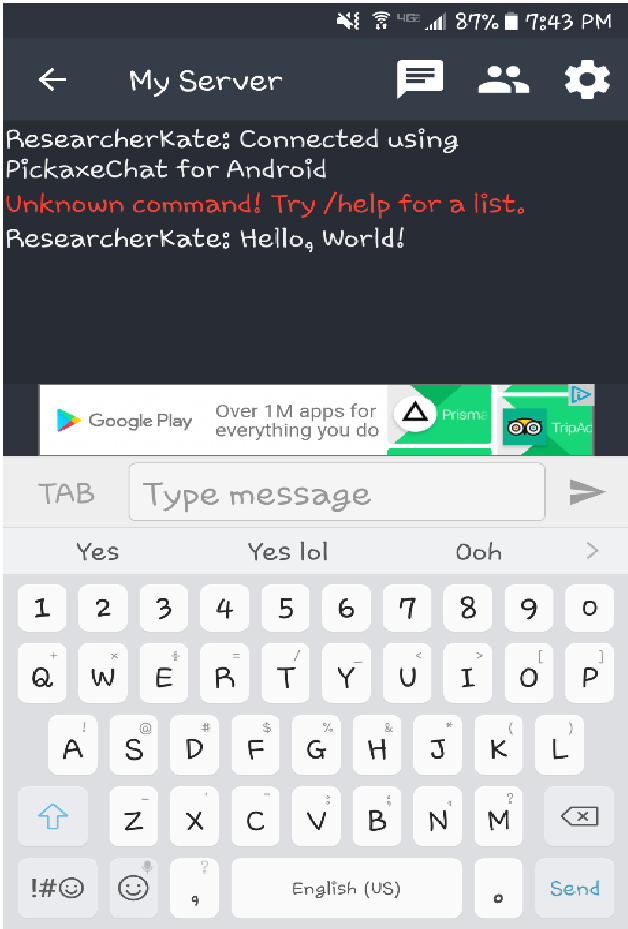
Within this space, the "avatar" is a crucial tool. While Minecraft avatars are blocky and bipedal, they allow children to socialize without the "sensory tax" of physical bodies. The study highlights how children use "MineChat" (a text-only mobile app) to stay connected even when they can't move their avatars, showing that the social connection is the priority, regardless of the graphical fidelity.
Deep Dive: What is "Real"?
One of the most striking parts of the ethnography describes a "hacking" incident. Trolls attacked the server, trying to trap children in "bedrock boxes" and sending them hateful messages. Ringland argues that the internalized pain felt by the children during this digital attack proves that virtual experiences are "real."
If the harm is real, then the healing is real too. The friendships and "castles" built in Autcraft aren't just pixels; they are the "work" of childhood being successfully performed by children who were previously denied a place to work.
Results & Critical Analysis
- Beyond Deficits: The study proves that autistic children are not "anti-social." When provided with a medium that fits their sensory profile (like text and avatars), they participate in complex, rule-governed social play.
- Community as Defense: The maintenance of the "whitelist" and the community forums (liminal space) are just as important as the game itself.
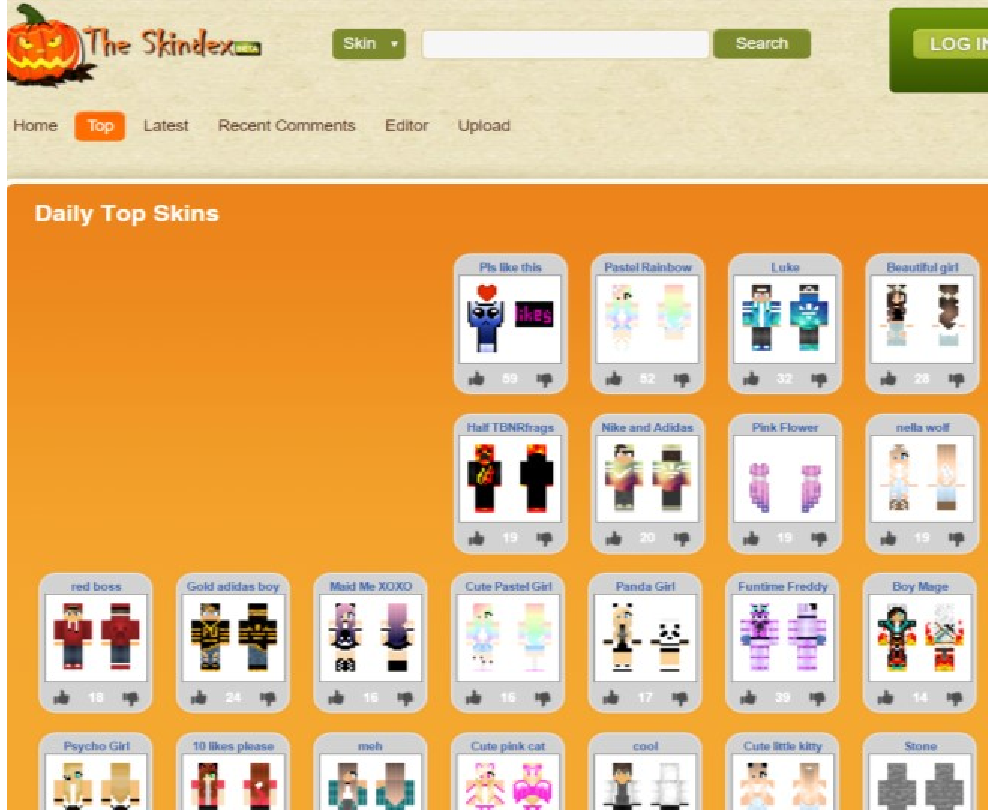
- Identity Fluidity: The ability to change usernames and skins allows children to experiment with identities in a low-stakes environment.
Conclusion: Designing for "Fit"
The takeaway for designers, therapists, and educators is clear: stop privileging the physical. For many marginalized groups, the "virtual" is the only place where they can experience an enabled body. This paper sets a SOTA (State of the Art) standard for how we should evaluate digital accessibility—not by how well it simulates the "real world," but by how well it creates a meaningful "place to play."
Industry Value: This work provides a blueprint for "Safe Space" architecture in social media, emphasizing that the "Liminal" layer (moderation and access control) is the foundation of digital health for vulnerable populations.