
Weaponizing the Guardrails: The Rise of Coalition DoS Attacks on Social Networks
Abusing Social Networks with Abuse Reports - A Coalition Attack for Social Networks
This paper identifies and formalizes "Coalition Attacks" and automated Denial of Service (DoS) attacks targeting the abuse reporting systems of major Social Networks (SNs). Using Facebook as a case study, the authors demonstrate how a coordinated group or an automated script can trigger account-blocking algorithms to silence innocent users, ultimately proposing detection mechanisms based on shared group interests and CAPTCHA-based defenses.
TL;DR
Social network abuse reporting systems—designed to protect users—are being subverted into tools for censorship. This paper demonstrates how "Coalition Attacks" (coordinated reporting) and their automated counterparts can effectively perform a Denial of Service (DoS) on physical people by tricking platforms like Facebook into blocking innocent accounts. The authors prove that with just 44 coordinated users or a simple script, one can silence a target in hours or even seconds.
Positioning: This work serves as a critical red-team analysis of the "threshold-based" moderation logic prevalent in Web 2.0 giants, highlighting the bridge between game theory (coalition power) and cybersecurity (DoS).
The "Threshold" Vulnerability
The fundamental flaw in modern Social Networks (SNs) is the Scale vs. Accuracy trade-off. With billions of users, manual moderation of every report is impossible. Consequently, SNs use a "shoot first, ask questions later" approach: if a profile receives reports within a timeframe, it is automatically suspended until a human moderator intervenes.
Attackers exploit this by acting as a "Coalition." By synchronizing their reports, they reach the threshold before the platform can verify the legitimacy of the claims. This is particularly effective for reports labeled as "Fake Account," as these often require the victim to submit physical government IDs to regain access, resulting in long-term "social blackout."
Methodology: Automating Social Censorship
The authors didn't just stop at manual coordination; they reverse-engineered the reporting process to create a DoS tool.
1. The Interaction Model
The paper formalizes the attack using a set theory approach. Let be a set of reports where the "sibling of" (target) is the victim . The attack is a Coalition Attack if the creators of these reports, , share a common ideological interest or group membership , while the victim is excluded from that group.
2. Reverse Engineering Facebook's Reports
The researchers used the OWASP Zed Attack Proxy to intercept the AJAX requests sent during a report. They identified several key (though undocumented) parameters required to spoof a report:
fb_dtsg: A session variable.rid/cid: Identifiers for the victim.phstamp: A hashed string of the request.
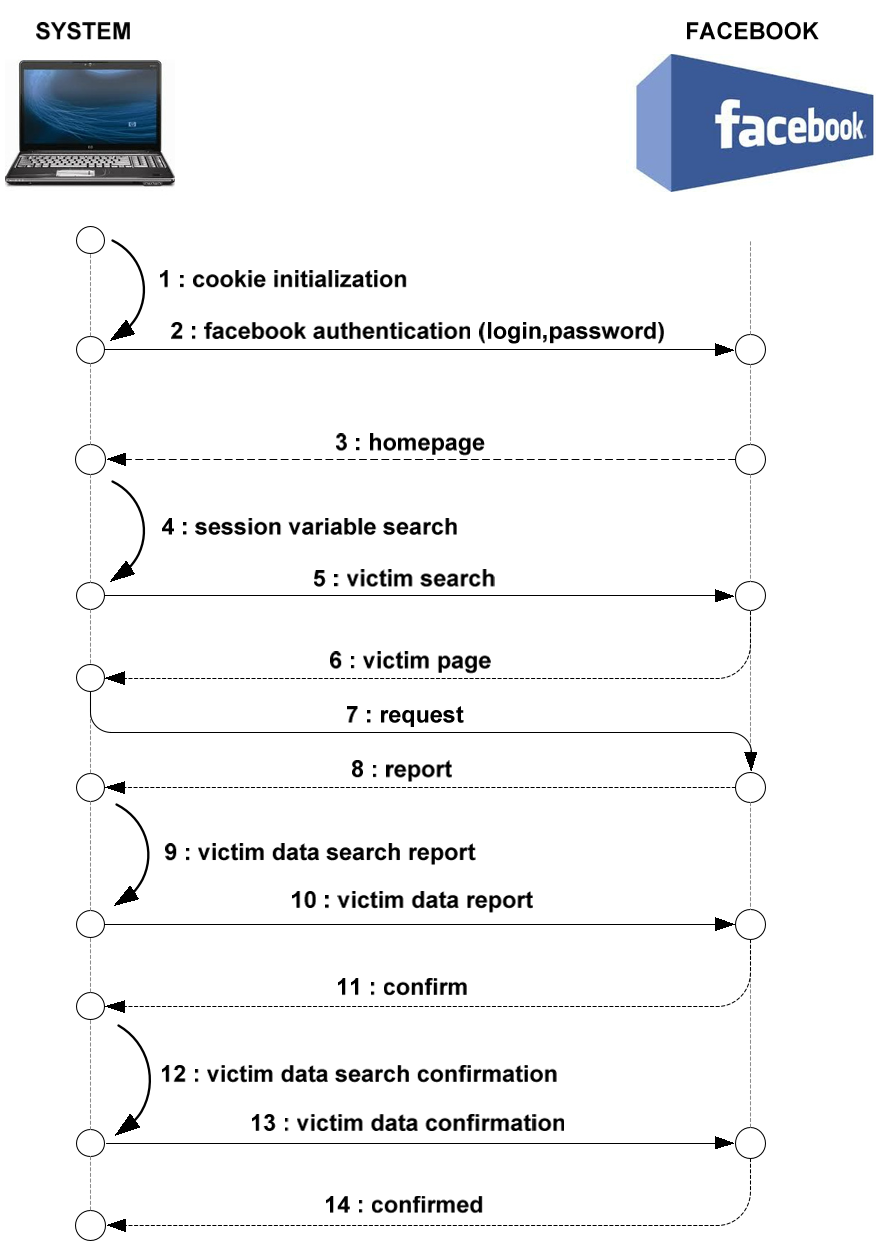 Figure 1: The standard flow of a report from browser to server.
3. Exploiting Account Creation
The automated attack relies on "Disposable Attackers." The authors found a loophole where new accounts could execute at least two actions (like sending an abuse report) before the system forced a mobile or email confirmation. This allows for rapid-fire reporting from a rotating pool of "ghost" accounts.
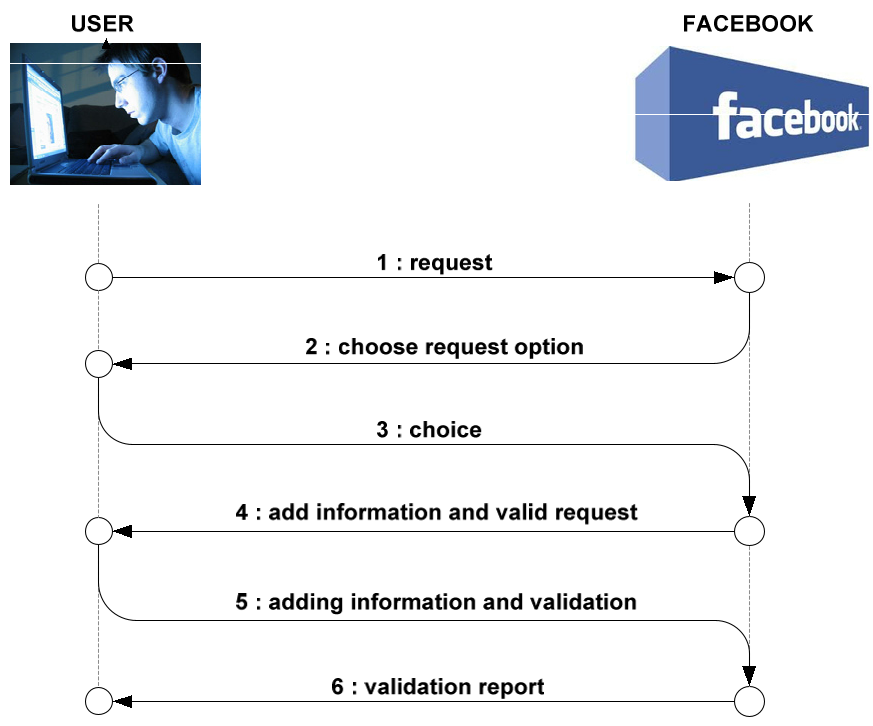 Figure 2: Workflow for the automated DoS tool against the reporting engine.
Experimental Findings
- Manual Attack: 44 volunteers successfully triggered a block on a target account in 5 hours.
- Automated Attack: Using scripts, profiles with low activity (few friends/posts) were blocked in seconds.
- The "Popularity" Shield: The value (threshold to block) is dynamic. Verified or "popular" profiles have a significantly higher , granting them a form of "algorithmic immunity" that common users lack.
Critical Insight: How to Fix It
The authors propose that platforms must look at the Social Intersection () of the reporters. If 90% of the people reporting a user for "abuse" all belong to the same niche political group and the victim does not, the system should flag this as a potential Coalition Attack rather than an organic consensus of bad behavior.
If the intersection count exceeds a threshold , the system should require immediate human oversight before suspending the account.
Conclusion & Limitations
This paper is a wake-up call for platform integrity teams. While the study was conducted on a dummy account for ethical reasons, the implications for political dissent and online harassment are massive.
Limitations: The exact value of remains a "black box" and likely changes based on real-time platform risk assessments. Furthermore, as SNs switch to AI-based content analysis (NLP), the "Fake Account" report might become less effective than reports targeting "Hate Speech" which are harder for AI to contextually parse.
Future Outlook: We are likely to see a "reputation war" where the "trust score" of the reporter becomes as important as the profile being reported.