
Nonprofit 2.0: Empowering Mental Impairment Employment Services via Web 2.0
Action Science Approach to Experimenting Nonprofit Web 2.0 Services for Employment of Individuals with Mental Impairments
The paper introduces a "Nonprofit 2.0" framework using an Action Science approach to develop a Web 2.0-based platform for the supported employment of individuals with mental impairments. The study leverages collaborative tools and multimedia databases to empower job coaches at nonprofit organizations (NPOs) in Taipei.
TL;DR
This paper explores the transition of Nonprofit Organizations (NPOs) from paper-based workflows to a "Nonprofit 2.0" model. By applying Action Science, the authors developed a Web 2.0 prototype that uses discussion forums and multimedia databases to assist job coaches. The result? A 75% faster dissemination of job information and a robust framework for sharing clinical "know-how" that was previously lost in text-only records.
Problem & Motivation: The Digital Divide in Social Services
While corporations have long optimized efficiency through IT, NPOs serving vulnerable populations—specifically those with mental impairments—remain stuck in a "technological dark age." The barriers are two-fold:
- Financial & Maintenance Burdens: High licensing fees and the need for dedicated IT staff are non-starters for budget-constrained NPOs.
- Usability Gap: Traditional IT systems are often overly complex, failing to meet the fast-paced, field-heavy needs of "job coaches" who provide supported employment services (placement-then-training).
The authors identified that knowledge in this field is often tacit and visual. A text-only database cannot capture the nuances of a trainee's behavior at a job site, leading to a disconnect between senior experience and junior execution.
Methodology: The Action Science Approach
Rather than designing in a vacuum, the team utilized Action Science (or Action Research). This methodology treats the social system (the NPO) and the technology as a single, inseparable entity.
The 4-month process included:
- Participant Observation: Researchers stayed in the field to view the "native point of view."
- Focus Groups: Building consensus on IT requirements across five different rehabilitation institutes.
- Prototyping: Rapidly deploying a system that included a multimedia database and a collaborative portal.
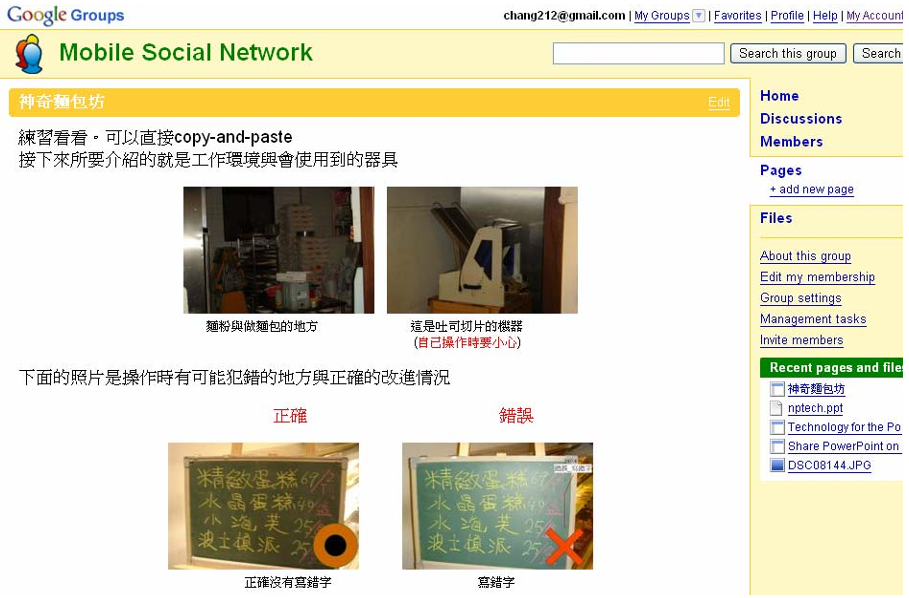 Figure 1: The proposed Web 2.0 architecture for NPOs, integrating multimedia and collaborative forums.
Key Solution: Collaborative Intelligence
The core of the "Nonprofit 2.0" solution is the shift from static data storage to dynamic knowledge sharing. By using tools like Google Groups (as seen in Figure 2), job coaches could post videos and photos of work site challenges, allowing for immediate peer feedback.
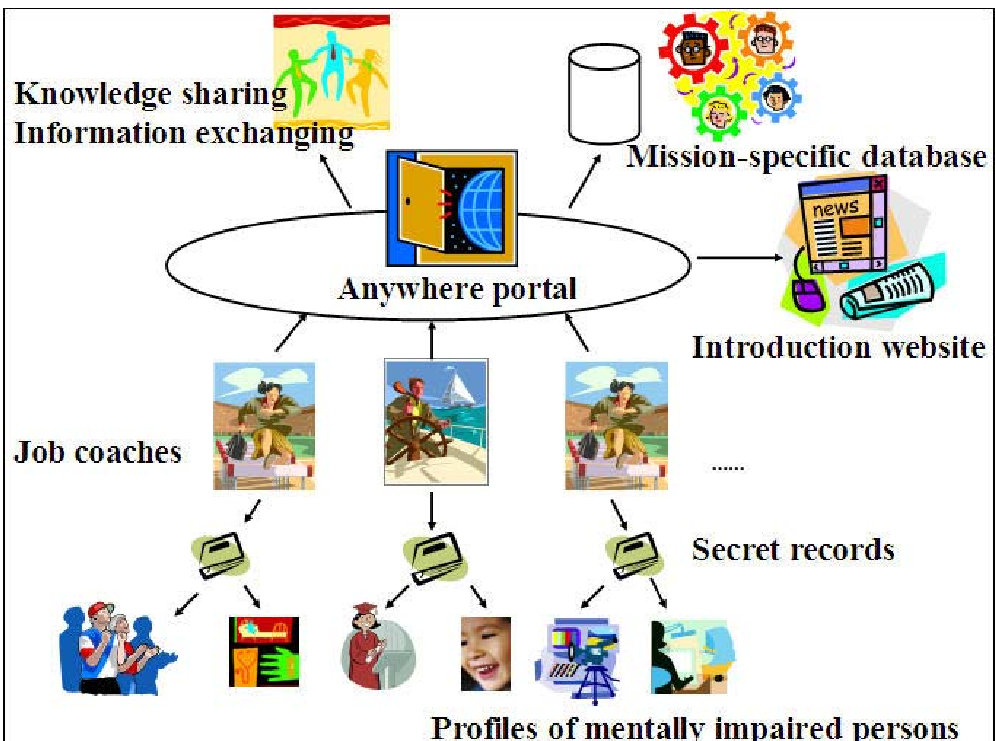 Figure 2: Leveraging Google Groups for real-time work procedure sharing and collaborative coaching.
Experiments & Results
The effectiveness was measured using a comprehensive metric of group activity. The data revealed a significant cultural shift:
- Velocity: The time to spread job bulletins dropped from 1 week to 42 hours (a 75% improvement).
- Engagement: Initiated subjects had an 80% probability of receiving a helpful reply, indicating a high level of collaborative interest.
- Activity Bursts: Digital traces showed that specific "initiators" could trigger long sequences of productive discussion (up to 12 replies per thread), creating a searchable digital archive for future coaches.
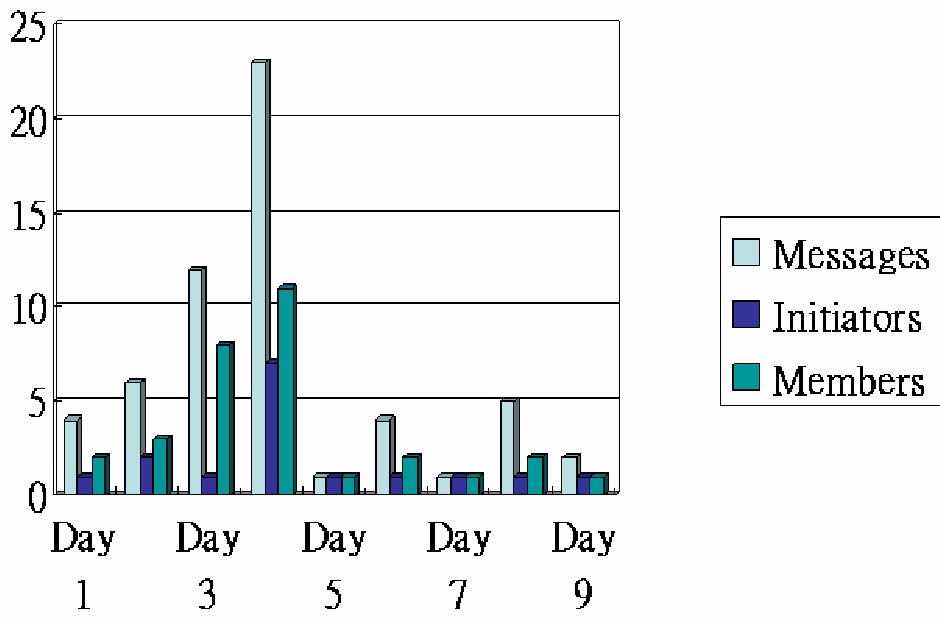 Figure 3: Daily activity tracking showing the "pulse" of the collaborative board over a 9-day observation period.
Critical Analysis & Conclusion
Takeaway
The "Nonprofit 2.0" approach proves that the value of IT for NPOs isn't in complex proprietary software, but in usability and connectivity. Hosted Web 2.0 services offer a "fee-free" entry point that transforms NPOs from passive data collectors into active, collaborative communities.
Limitations & Future Work
While the qualitative and velocity results are strong, the paper primarily focuses on the coaches' efficiency. Future research could more directly quantify the long-term employment retention rates of the disabled trainees themselves to prove the ultimate clinical value of the system. Additionally, as we move into the era of AI and "Web 3.0," these NPOs could benefit from automated summarization of these discussion boards to generate training manuals automatically.
Subject Areas: Social Services, Collaborative Computing, Supported Employment, Action Research.