
ADMIRE: Streamlining Environmental Intelligence through Distributed Data Mining and DISPEL
Using ADMIRE framework and language for data mining and integration in environmental application scenarios
The paper introduces the ADMIRE Framework, a sophisticated distributed architecture and high-level language designed for integrated Data Mining and Integration (DMI). It specifically details the application of the DISPEL language to a hydro-meteorological scenario, achieving end-to-end automation from heterogeneous data acquisition to hydrological state prediction.
TL;DR
Managing environmental data is a logistical nightmare involving fragmented databases and complex cleaning protocols. The ADMIRE Framework addresses this by introducing a distributed gateway architecture and a specialized language—DISPEL—that treats data mining as a modular stream-processing task. Its application in the Orava river scenario proves that complex hydrological predictions can be automated even when data resides in geographically isolated silos.
The Bottleneck in Environmental Data Science
Why is predicting a flood or river temperature so difficult? It isn't just the physics; it's the data plumbing. A researcher typically has to:
- Fetch reservoir levels from one authority's SQL database.
- Extract atmospheric parameters from binary GRIB files.
- Manually align timestamps and "fix" missing sensor data via interpolation.
- Feed the result into a regression model.
Most existing tools treat these as separate manual steps. ADMIRE aims to turn this "pipeline of pain" into a cohesive, programmable workflow.
Methodology: The DISPEL-Gateway Architecture
The core innovation lies in the Gateway and DISPEL. Instead of a single central server, ADMIRE uses a network of Gateways that act as "interpreters" for data integration.
Logic in Motion: DISPEL
DISPEL is a high-level language that connects Processing Elements (PEs). Think of it as "Lego for Data Science." A user defines a stream, attaches a filter PE to repair data, and hooks it to a model PE.
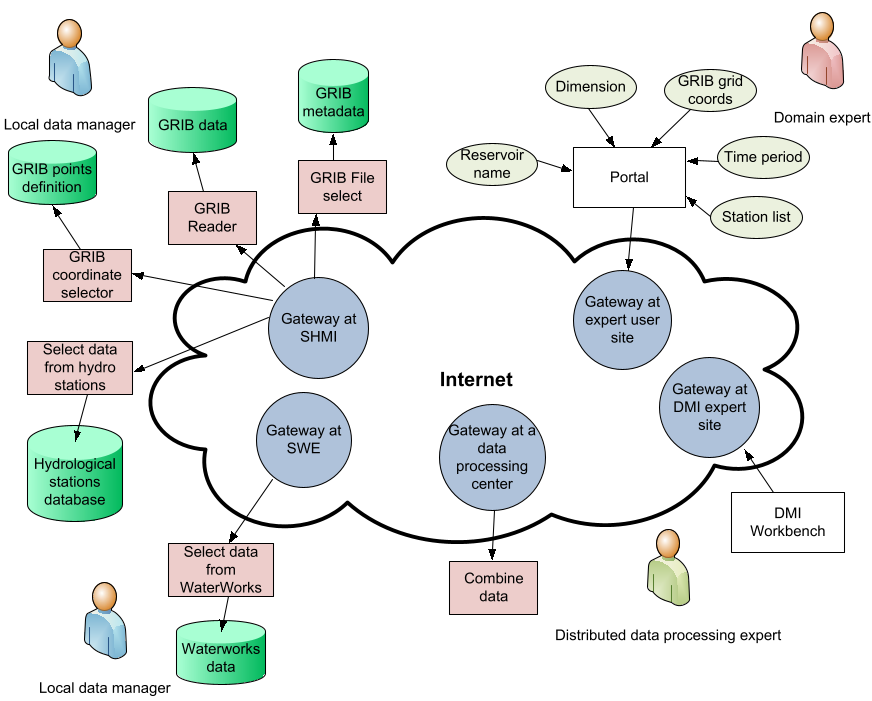 Fig 1. The Gateway-based architecture where DISPEL documents orchestrate data flow across distributed sources.
The physical intuition here is Stream Processing: as soon as the first row of data is fetched, it starts flowing through the filters, significantly reducing the "Time-to-Insight" compared to batch processing.
Case Study: Hydrological Prediction
The authors tested this on the Orava Water Reservoir scenario. The workflow followed a three-phase lifecycle:
- Integration: Merging SQL data with GRIB weather metadata.
- Training: Using a linear regression classifier on historical subsets.
- Prediction: Real-time inference using the latest weather forecasts.
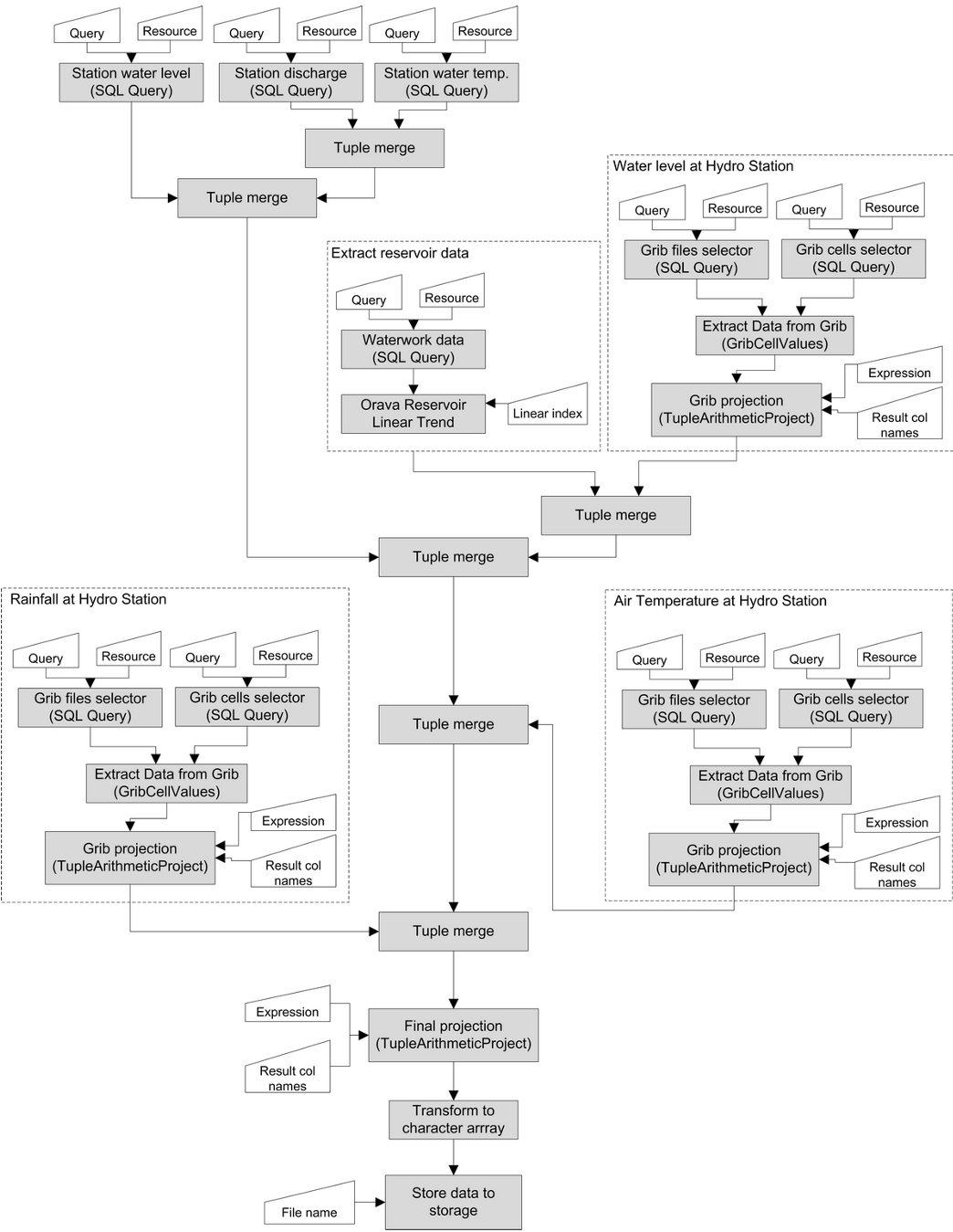 Fig 2. Graphical representation of the Orava integration workflow, showcasing the modularity of Tuple Merging and Linear Trend Filtering.
Critical Analysis & Results
The experimental results confirm that ADMIRE effectively hides the complexity of distributed systems. Key findings include:
- Performance Optimization: Gateways can move processing elements closer to the data source (Data Locality), minimizing heavy network transfers.
- Iteration Speed: By modifying just a few lines of DISPEL code, researchers could swap interpolation algorithms or model parameters without rebuilding the entire system.
However, a notable limitation is the Inductive Bias of the framework—it relies heavily on the availability of predefined PEs. If a user needs a radically new data mining method not in the Registry, the "low-code" benefit diminishes as they must implement new PEs in Java.
Conclusion and Future Outlook
The ADMIRE project represents a significant shift toward Data-Intensive Science as a Service. For environmental scientists, this means moving away from Python script "spaghetti" toward reproducible, structured DMI processes. As we move toward 2026, the principles of DISPEL—modular, stream-oriented, and heterogeneous—are becoming the blueprint for modern "Data Lakehouses" and automated ML (AutoML) pipelines.
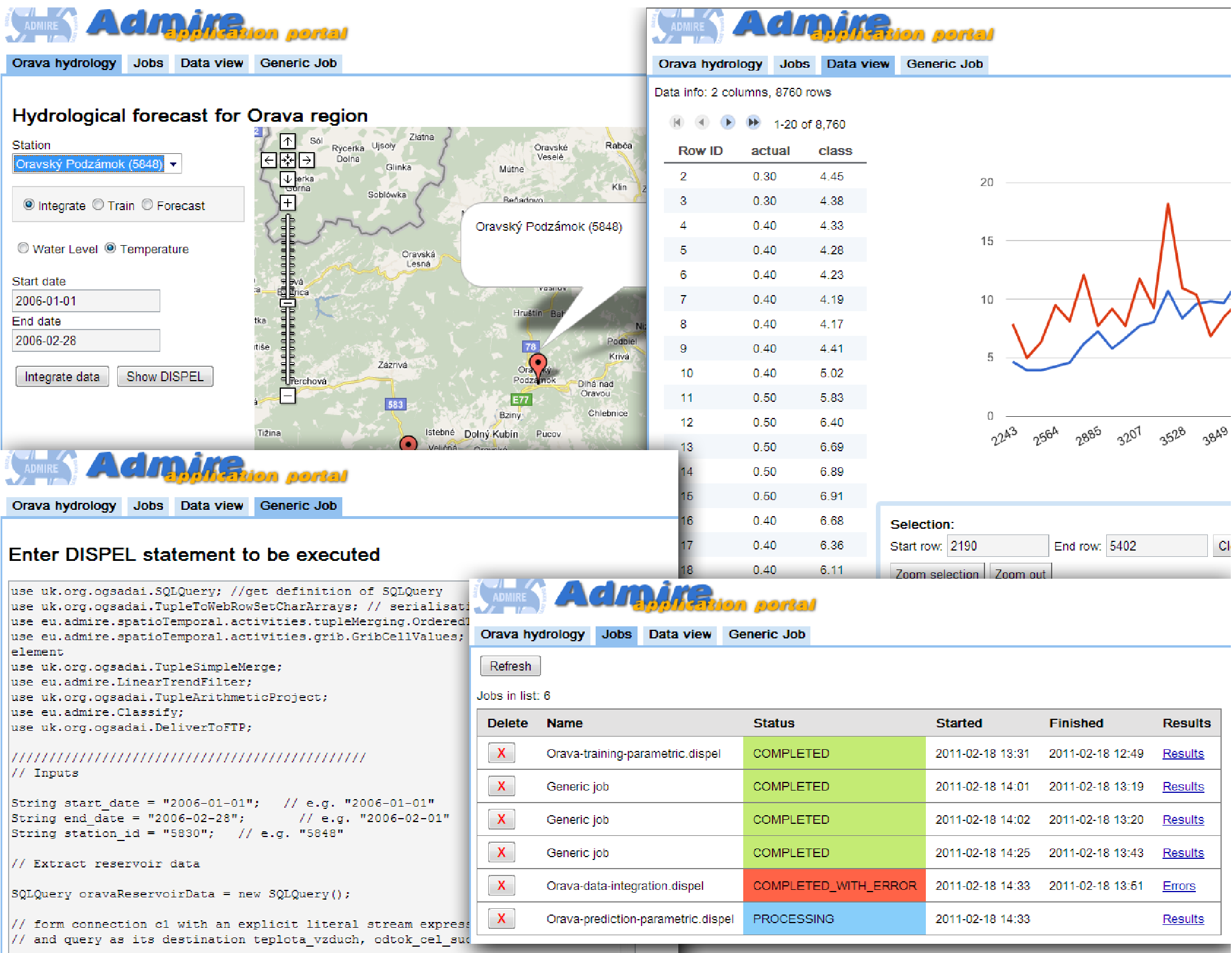 Fig 3. The end-user view: simplifying complex DMI results for domain experts through a specialized portal.