Harmonizing Emotions: A Taxonomy Management System for Affective Computing
Using an Affective Computing Taxonomy Management System to Support Data Management in Personality Traits
This paper introduces an Affective Computing Taxonomy Management System designed to support automated emotion detection and data management within the EU-funded SenseCare project. The system integrates a Libsvm-based machine learning model for emotion classification with a robust taxonomy framework to categorize personality traits (Big Five) and emotional signals in healthcare contexts.
TL;DR
To bridge the gap between "detecting an emotion" and "understanding a patient," this paper presents a sophisticated Taxonomy Management System for the SenseCare project. It integrates machine learning (ML) emotion detection with structured psychological frameworks (like the Big Five personality traits), providing a Git-based versioning and collaborative voting system to manage the complex data generated during affective analysis.
Background: Why We Need More Than Just "Emotion Detectors"
Affective Computing (AC) has made strides in recognizing faces and voices, but without a standardized way to store, categorize, and retrieve this data, it remains "dark data." In healthcare—specifically for patients with dementia—knowing someone is "angry" is only useful if we can link that state to their underlying personality traits and previous history. Prior tools for taxonomy (like Excel or standalone editors) failed to integrate directly with live medical data platforms, making real-time clinical application nearly impossible.
Methodology: The Taxonomy Manager Architecture
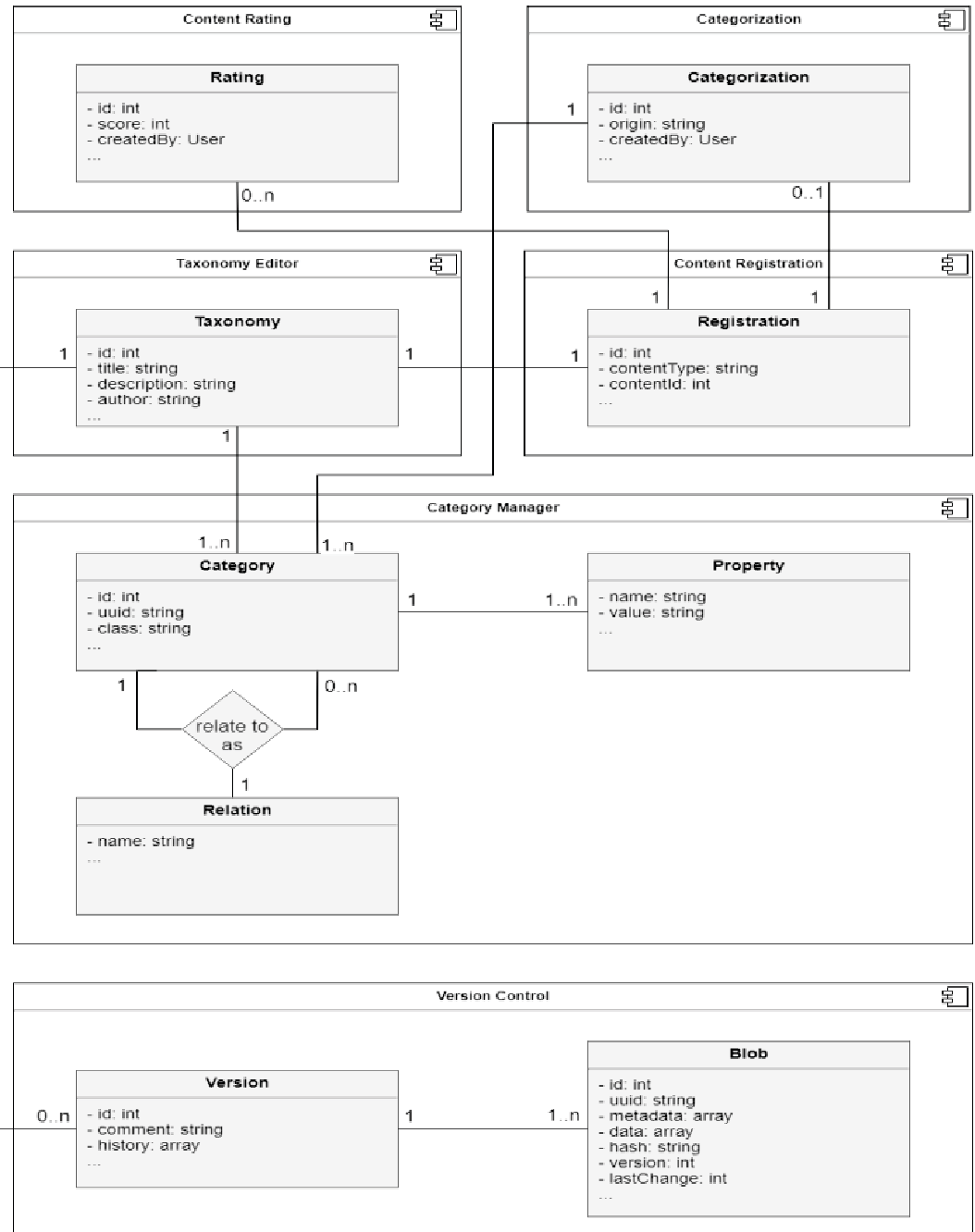
The researchers developed a prototype within the KM-EP (Knowledge Management Ecosystem Portal). Instead of a simple list of terms, they treated the taxonomy as a living software project.
Key Architectural Pillars:
- Distributed Version Control: Borrowing logic from Git, the system creates "snapshots" of taxonomies. This allows researchers to track how emotional classifications evolve over time or rollback to "seed" versions if a new categorization fails.
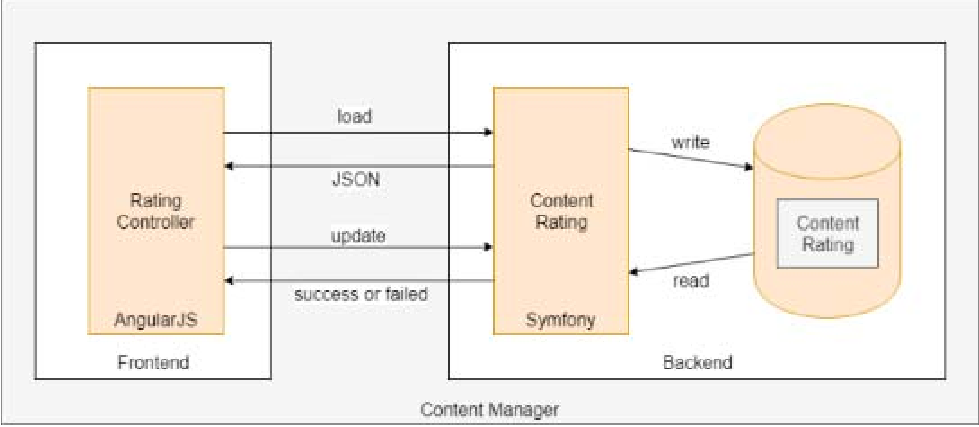
- Crowdsourced Evolution: A Content Rating module allows experts to vote on the validity of emotional terms, ensuring the taxonomy reflects scientific consensus rather than a single developer's bias.
- Faceted Categorization: By using SKOS (Simple Knowledge Organization System) standards, the system enables users to filter through vast amounts of sensor data using complex, hierarchical metadata.
Insight: The Personality-Emotion Correlation
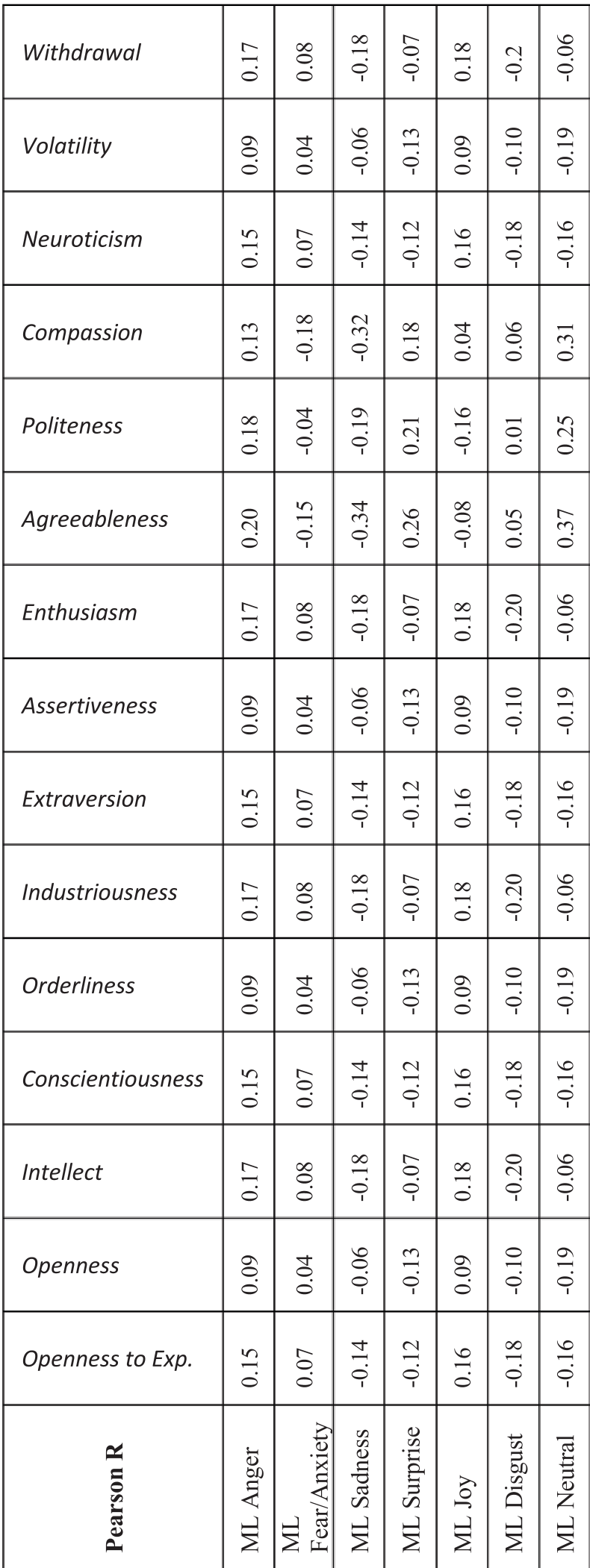
The paper doesn't just build a tool; it tests it through a Personality Traits Study. Participants watched emotional videos while their facial expressions were analyzed by a Libsvm-based ML model and compared against their self-reported scores on the Big Five Aspect Scale.
Key Experimental Findings:
- The Sincerity Gap: Interestingly, there were discrepancies between what people claimed to feel and what the ML model detected. For instance, self-reported Joy was sometimes positively correlated with ML-detected Anger, suggesting that automated systems might capture "unconscious" emotional leaks that participants are too biased to report.
- Trait-Specific Patterns: Individuals high in Agreeableness were significantly less likely to be classified as experiencing "Sadness" by the ML model (r = -0.34).
Critical Analysis: Impact on Healthcare
The value of this work lies in standardization. By providing a "Taxonomy Editor" that uses MemCached for speed and AJAX for a seamless UI, researchers can manage thousands of nodes representing complex human behaviors. This is critical for the SenseCare objective: providing assistance to dementia patients who may no longer be able to articulate their needs.
Limitations
- Sample Size: The study involved 30 participants, which is modest for broad psychological generalizations.
- ML Sensitivity: The researchers had to adjust the ML detector to its least sensitivity to avoid Type 2 errors, indicating that the underlying "raw" emotion detection still has room for improvement.
Conclusion
This paper represents a vital infrastructure layer for Affective Computing. By treating human emotion and personality as a managed, versioned, and searchable taxonomy, the SenseCare project moves AC from the realm of "cool tech" to "clincial utility." Future research will likely focus on applying this framework to multi-modal data (audio + video) to further refine the precision of automated personality trait prediction.