
Body, Mind, and Soul: Reimagining pHealth through Affective Computing and Semantic Web
Enabling e-services based on affective exergaming, social media and the semantic web: A multitude of projects serving the citizen-centric vision for ICT in support of pHealth
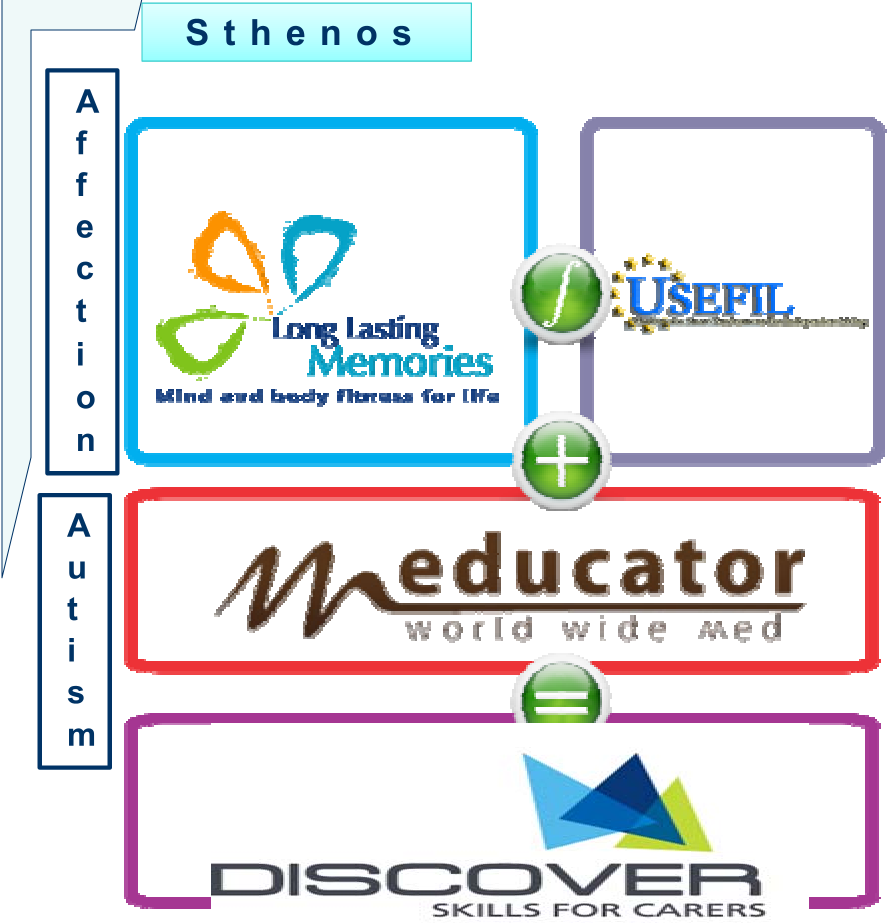
This paper presents a multi-dimensional framework for citizen-centric healthcare by integrating affective computing, social media, and the semantic web. Leveraging outcomes from several EU-funded projects (e.g., LLM, USEFIL, mEducator), it establishes a "Blue Line" approach to improve quality of life for the elderly and disabled through personalized e-health services.
TL;DR
This paper advocates for a "citizen-centric" vision of healthcare that shifts away from cold, clinical ICT tools toward emotionally-aware, socially-connected, and semantically-integrated e-services. By synthesizing years of research across projects like Long Lasting Memories (LLM) and mEducator, it demonstrates how "Exergaming" (exercise + gaming) and the Semantic Web can combat cognitive decline and social isolation in our ageing society.
Problem & Motivation: The Digital Divide in Ageing Care
As Europe faces a demographic shift toward an older population, current healthcare systems struggle with costs and the quality of long-term care. The author identifies a critical gap: human emotions. Traditional e-health systems often ignore the "soul"—the psychological and emotional state of the user. Seniors frequently feel excluded from technology because it is either too complex or lacks personal relevance. The core challenge is: How do we make technology that people actually want to use because it makes them feel better?
Methodology: The Three Pillars of ICT Support
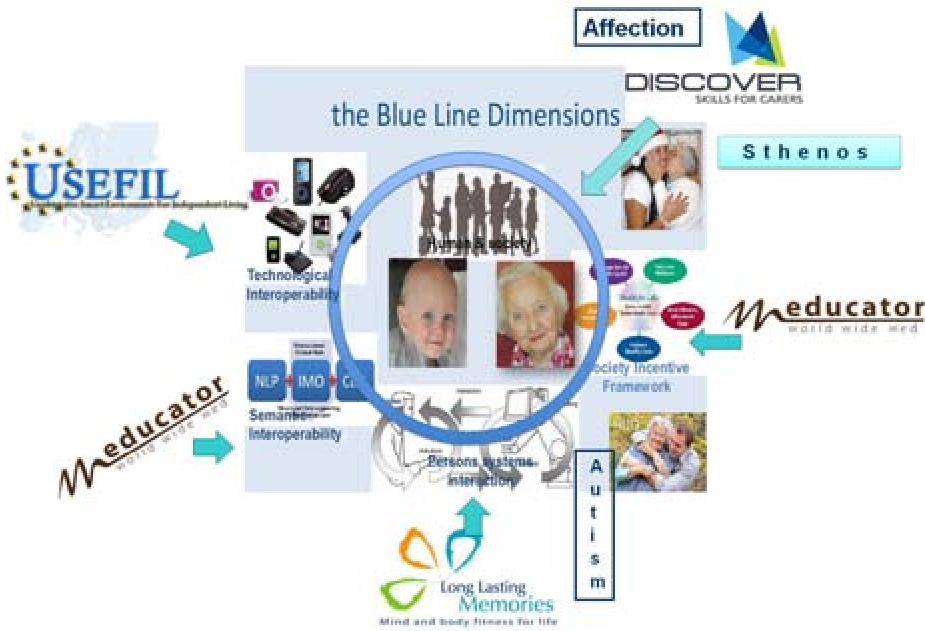
The paper structures its solution around three technological pillars, mapped against the "Blue Line Dimensions" (a holistic model for quality-of-life systems).
1. Affective Exergaming
Instead of boring physical therapy, the paper proposes Exergaming. Using multi-modal sensing (speech, facial expressions, and physiological signals), systems like the Affection project detect the user's emotional state. This data is used to adjust the difficulty or style of games in real-time, making exercise addictive and emotionally rewarding.
2. Social Media & Inclusion
Virtual communities are utilized to overcome the isolation of seniors. By using Avatar agents as interfaces, the technical barriers to entry are lowered, allowing elderly users to engage in social networks that provide "cognitive guidance" and a sense of belonging.
3. Semantic Web & Big Data
To manage the "Big Data" produced by health sensors, the author utilizes Linked Data. The mEducator project, for example, uses semantic annotations to allow for the effective retrieval and sharing of medical educational resources, ensuring that data from different sources can actually communicate (Interoperability).
Experiments & Results: Evidence-Based Intervention
The synthesis of these projects isn't just theoretical. The Long Lasting Memories (LLM) project provided concrete evidence:
- Cognitive Impact: Pilots showed significant effectiveness against age-related cognitive decline.
- Emotional Impact: The integration of mood-tracking with physical activity resulted in measurable improvements in anxiety and depression symptoms among senior users.
- Technical Scalability: Using XML-based web services and ontological schemata, the projects demonstrated that modular architectures can bridge the gap between different national health systems.
Critical Analysis & Conclusion: The Future of pHealth
The author reminds us that there is a constant tension between Innovation vs. Simplicity. While high-tech emotion detection is impressive, it must remain "marketable and sustainable."
Key Takeaways:
- Synergy is Key: The most effective systems aren't just a new piece of hardware; they are a "proper combination" of physical, cognitive, and social interventions.
- Evidence Matters: Personalized health systems must produce measurable value through clinical trials to gain widespread adoption.
- Human-Centric Design: We must design systems that make people "happier and more sociable," not just more efficient machines.
In a world where "Big Data" is often treated as a cold commodity, this paper serves as a vital reminder that at the center of every data point is a human being with a body, a mind, and a soul.