
Asymmetric Hostility: Quantifying the Emotional Divide in Climate Change Discourse
Affective Polarization in Online Climate Change Discourse on Twitter
This paper presents a novel computational framework to quantify affective polarization in online climate change discourse using a large-scale Twitter dataset of 100 weeks. By integrating weak supervision stance detection with aspect-level sentiment analysis and the Earth Mover’s Distance (EMD), the authors establish a longitudinal metric for intergroup hostility, revealing that climate change "Disbelievers" exhibit significantly platform-wide higher hostility than "Believers."
TL;DR
Researchers from Carnegie Mellon University have developed a new way to measure "Affective Polarization"—the actual hostility between groups—rather than just looking at who talks to whom. By analyzing two years of Twitter data, they discovered a striking asymmetry: climate change "Disbelievers" are consistently more hostile toward "Believers," and they curiously weaponize natural disaster terminology during their most aggressive periods.
Beyond Echo Chambers: The Need to Measure Hostility
For years, we've known about "echo chambers" (interactional polarization). We know that people who believe in anthropogenic climate change and those who don't rarely talk to each other. However, the quality of the rare interactions that do happen is just as important as the lack of communication.
The authors argue that the "affective" component—how much we dislike the "other side"—is a major barrier to progress. Unlike previous studies that looked at small, manual samples, this paper introduces a scalable, automated pipeline to measure emotional valence across millions of users.
The Methodology: Mapping Sentiment to Networks
The researchers didn't just look for "angry words." They built a sophisticated pipeline:
- Stance Detection: Using weak supervision, they classified 7 million users as "Believers" or "Disbelievers" with ~82% accuracy.
- Aspect-Level Sentiment: They measured the sentiment directed specifically at other users (mentions/replies).
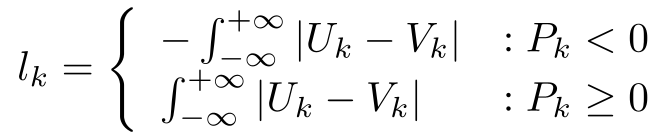
- EMD Polarization Metric (漫): They used the Earth Mover’s Distance to calculate how much the distribution of out-group sentiment differs from in-group sentiment.
Key Results: An Asymmetrical Battle
The findings suggest that the digital climate conflict is not a "both sides" issue regarding hostility.
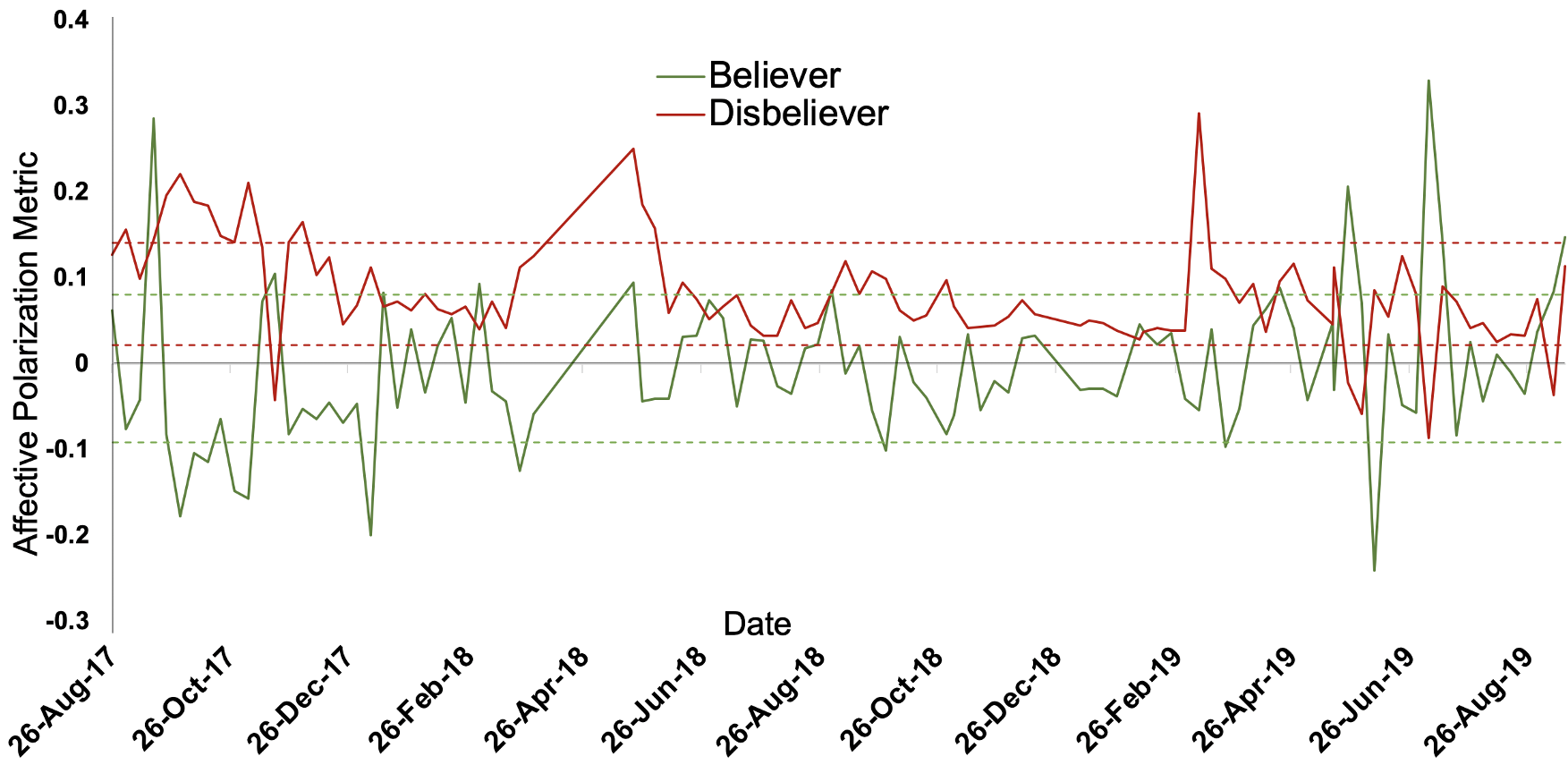
- Consistent Hostility: Disbelievers showed high levels of hostility towards Believers throughout nearly the entire 100-week period.
- Believer Fluctuations: Believers were generally less hostile, with their scores often hovering around zero (meaning they treat in-groups and out-groups with similar emotional weight), though they do have occasional "hostility spikes."
The Disaster Paradox
One of the most fascinating insights involves how groups react to natural disasters. Conventional wisdom suggests that a hurricane or fire might make a Disbeliever more likely to accept climate change. The data suggests the opposite.
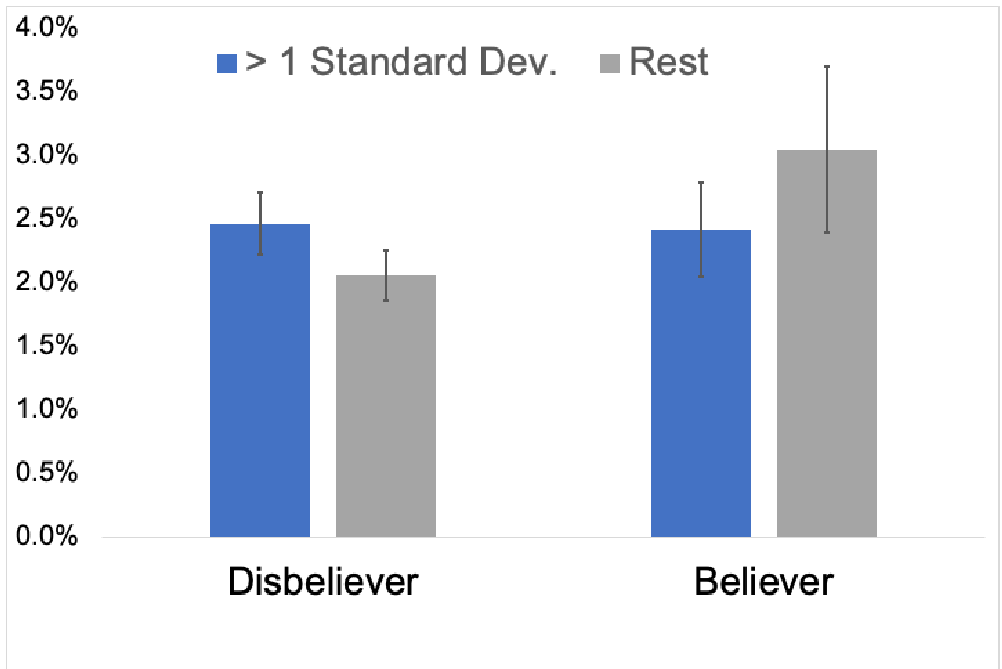
During weeks of "exceptional hostility," Disbelievers increased their mention of natural disasters. They aren't talking about disasters to express concern about the climate; they are using these events as a surface for aggressive resistance and "trench warfare" dynamics.
Critical Insight: Why This Matters
The study highlights that science communication is not just about facts. If the primary barrier to climate policy support is a deep-seated dislike of the "other side," then providing more data about rising CO2 levels won't help.
Limitations
- Keyword Constraints: The data only captures tweets containing specific keywords like "Climate Change."
- Binary View: The paper treats beliefs as a binary (Believer vs. Disbeliever), whereas public opinion is often a spectrum.
- Bot Activity: The study does not explicitly filter for inauthentic actors (bots/trolls) who might be intentionally amplifying this hostility.
Conclusion
This CMU study provides the community with a robust, scalable metric for tracking the "emotional temperature" of online debates. As we move into an era of increasing climate instability, understanding that disasters might actually increase polarization rather than harmonize public opinion is vital for policymakers and communicators alike.