
Evolving the Mental Health Mind-Map: An Agent-Based Data Mining Approach
An Agent-Based Data Mining System for Ontology Evolution
This paper introduces an agent-based data mining system designed for the continuous evolution of a multi-dimensional Mental Health Ontology. By integrating a Multi-Agent System (MAS) with data mining algorithms and the TICSA methodology, the authors automate the discovery of new clinical patterns to keep the ontology aligned with the latest medical research.
TL;DR
The rapid influx of mental health research—spanning from genetic mutations to socio-economic stressors—requires a knowledge structure that breathes and grows. This paper presents a multi-agent system (MAS) that leverages data mining to automatically detect new patterns in clinical data and integrate them into a sophisticated Mental Health Ontology, ensuring medical knowledge models remain SOTA (State-of-the-Art).
Problem & Motivation: The Complexity of the Human Mind
Traditional ontologies are often brittle; once defined, they become static snapshots of a domain. However, mental health is uniquely complex, defined by the "interplay of multiple factors." The authors point out a striking paradox: while material comfort has increased since the 1960s, mental health indicators (suicide rates, divorce, violent crime) have deteriorated.
Managing this "Grey Area" requires a collaborative effort between neurologists, sociologists, and computer scientists. The core challenge is: How do we consolidate these disparate, rapidly changing research streams into a unified machine-readable format without constant manual labor?
Methodology: The TICSA Multi-Agent Core
To solve the update problem, the authors move away from manual curation towards a Multi-Agent System designed via the TICSA methodology. This approach breaks the evolution process into five distinct stages:
1. The Agent Chain of Command
The system is composed of four specialized agent types:
- Information Agents: The "scouts" that extract raw experiential data from various research databases.
- Data Warehouse Agent: The "librarian" that cleans and integrates heterogeneous data formats.
- Data Mining Agents: The "analysts" that run algorithms to find frequent patterns and hidden correlations (e.g., linking a specific gene complex to a symptom).
- Ontology Agent: The "curator" that compares new findings with the existing ontology and suggests structural updates.
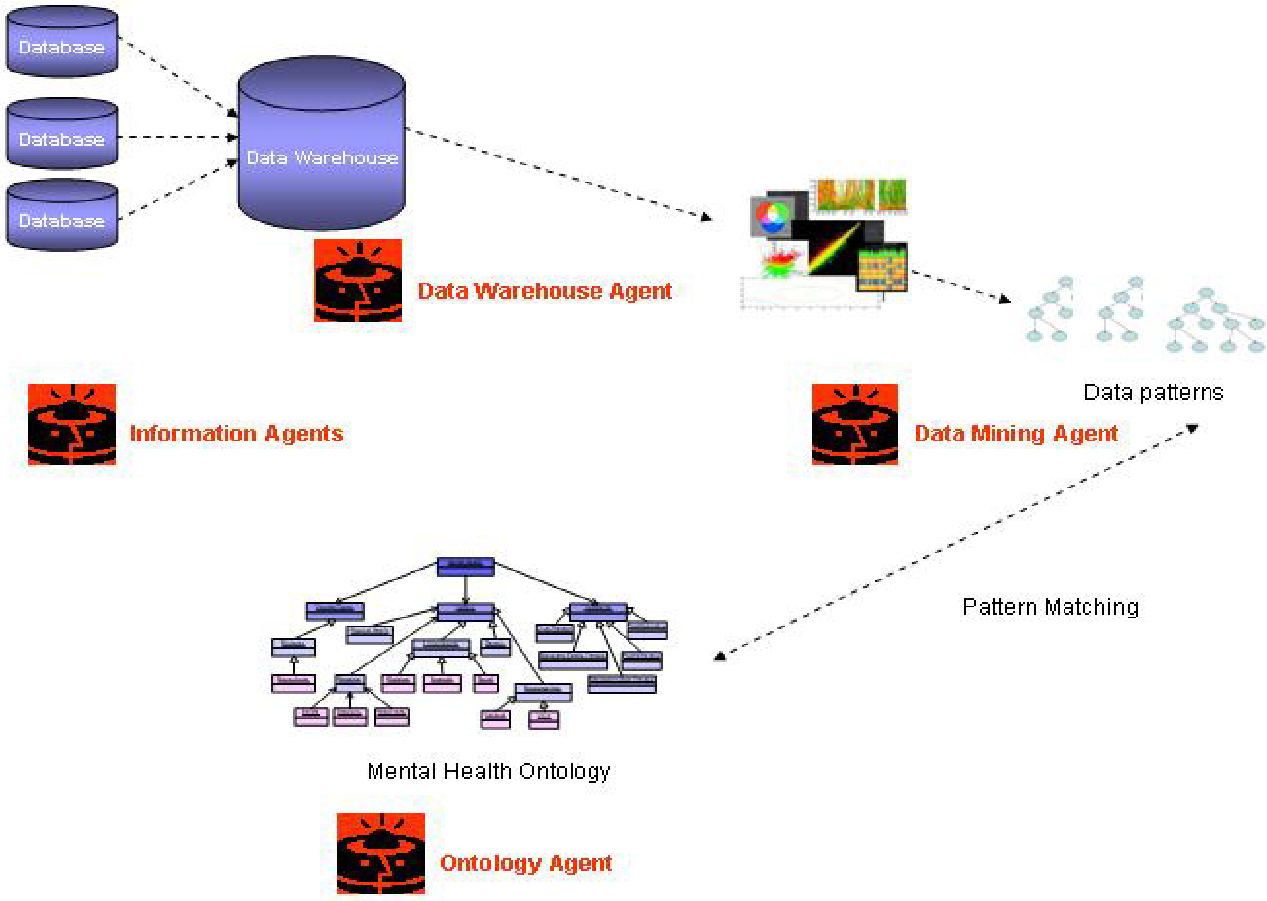 Figure 1: The collaborative structure of the Multi-Agent System.
2. Pattern Matching and Logic Flow
The system uses UML 2.1 Sequence Diagrams to model how these agents talk to each other. When a Data Mining agent discovers a "difference" between current data and the ontology, it doesn't just overwrite it. It presents a Change Suggestion to a human expert, ensuring the "Inductive Bias" of the system remains grounded in clinical reality.
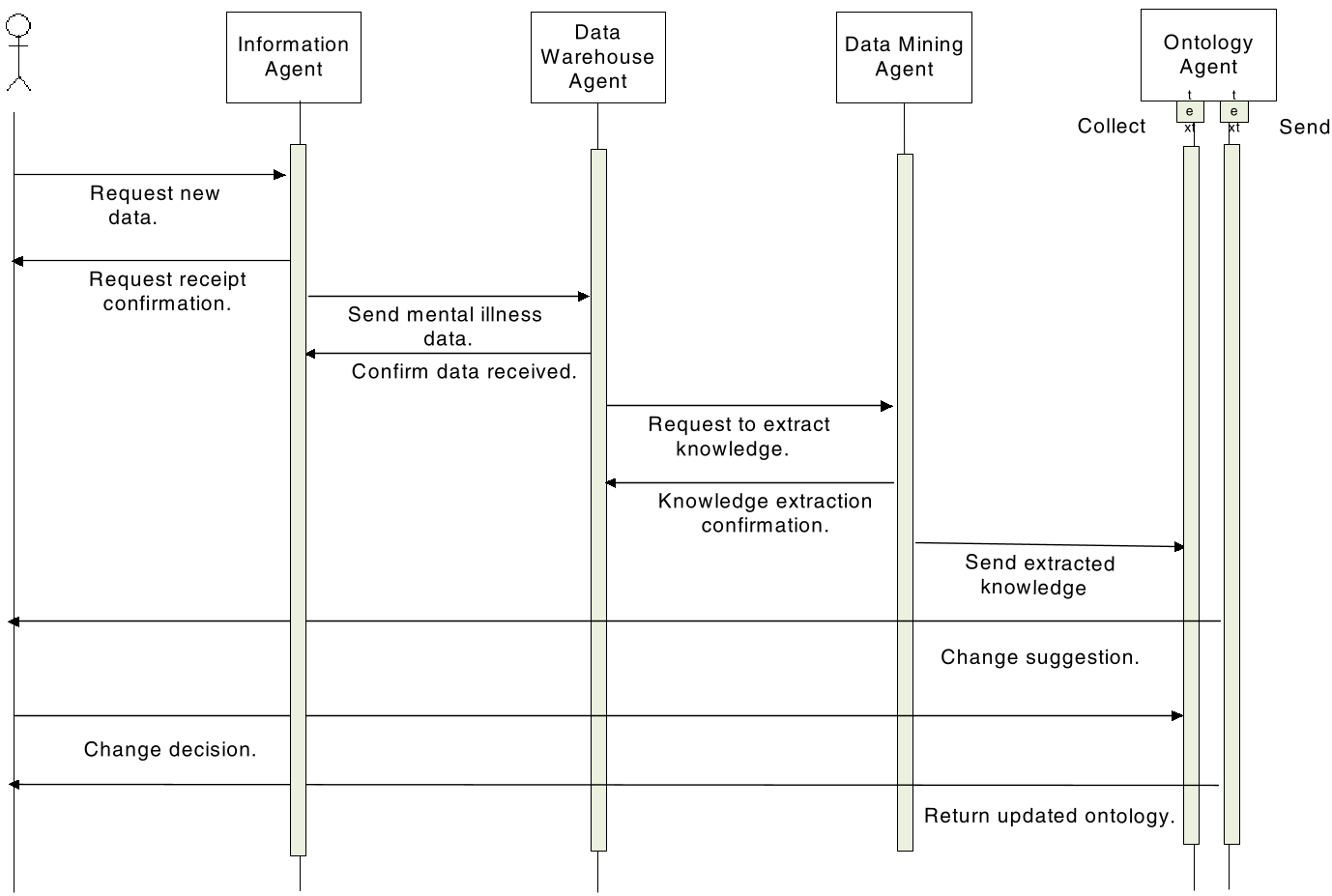 Figure 2: Sequence diagram showing the flow from raw data request to updated ontology delivery.
The Mental Health Ontology Structure
The ontology itself is built on three orthogonal dimensions:
- Illness Type: Hierarchical classification (e.g., Mood Disorders -> Depression).
- Factors (Causes): A multi-factorial web including Genetic, Physical, Environmental, Personal, and Microorganism factors.
- Treatment: A hybrid of classification and research-led evidence (combining pharmacotherapy and psychotherapy).
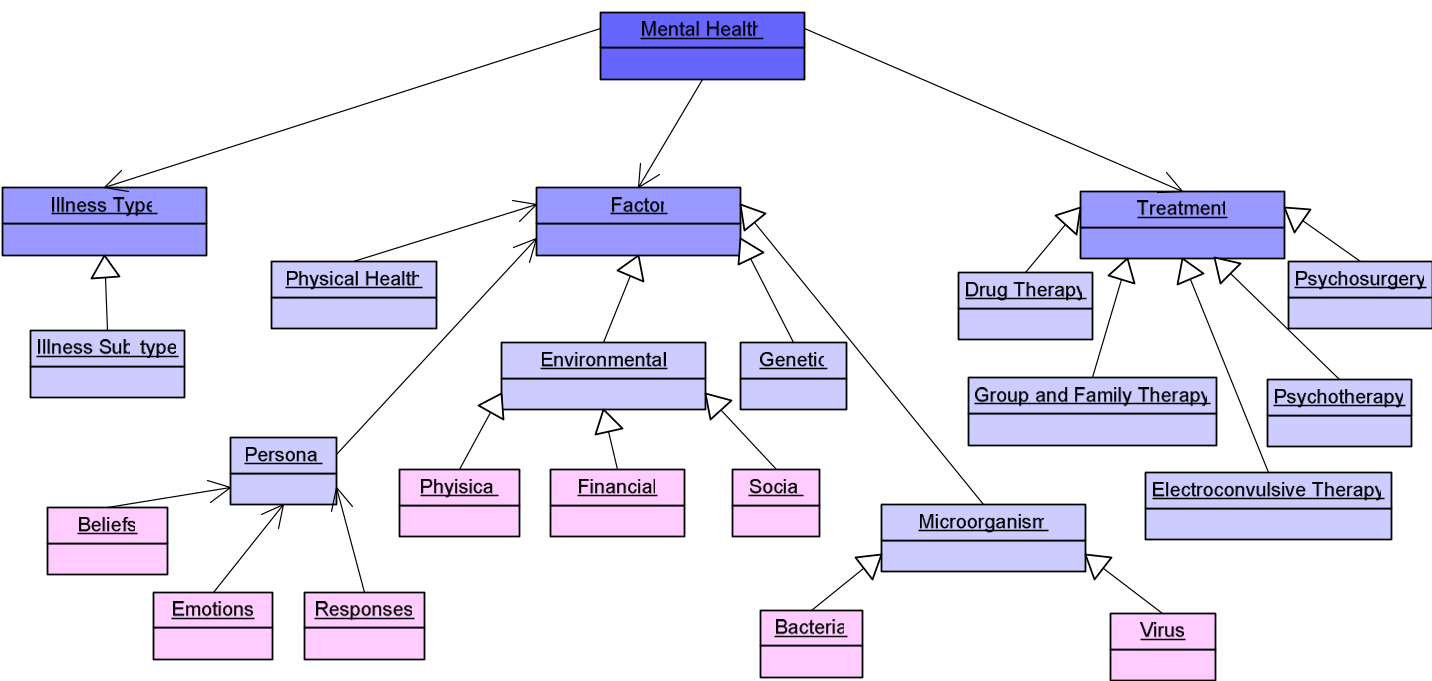 Figure 3: High-level view of the Mental Health sub-ontologies.
Critical Analysis & Future Outlook
The primary strength of this work is the modularization of intelligence. By separating data extraction (Information Agents) from data analysis (Mining Agents), the system can scale across multiple research centers globally.
Limitations: The paper is in the "early implementation stage." While the architectural design is robust, it relies on a semi-automatic validation step. As the volume of data grows, this human-in-the-loop bottleneck may need to be addressed through automated consistency checking or formal verification.
Takeaway: This research bridges the gap between Static Knowledge Representation and Dynamic Data Discovery. For AI researchers, it highlights that the future of "Expert Systems" isn't just in the knowledge they contain, but in their ability to autonomously update that knowledge from real-world evidence.
Conclusion
By combining the TICSA design pattern with collaborative agent behaviors, Hadzic and Dillon have provided a blueprint for a self-evolving medical brain—one that promises to keep pace with the ever-changing landscape of human mental health.