
AI-Based Healthcare: A New Dawn or Apartheid Revisited?
AI-based healthcare: a new dawn or apartheid revisited?
The paper titled "AI-based healthcare: a new dawn or apartheid revisited?" investigates the risks of algorithmic bias in medical decision-making. By combining historical analysis of the 1900 San Francisco Bubonic Plague with a MATLAB-based stochastic toy model, the authors demonstrate how AI-driven resource allocation (e.g., vaccination) can inadvertently create negative feedback loops that marginalize specific populations.
TL;DR
This research bridges the gap between historical prejudice and modern computation. By modeling a vaccination program through a stochastic network, the study reveals how AI systems can recreate "medical apartheid." Even with "benign" intentions, small algorithmic choices—like how a clustering seed is initialized—can determine survival for marginalized individuals.
Background: The Ghost of San Francisco 1900
In 1900, San Francisco’s Bubonic Plague response was dictated by Sinophobia. Chinese residents were scapegoated, quarantined, and denied effective aid while being subjected to experimental treatments. The authors argue that AI risks becoming the modern vessel for this "yellow peril" logic, not through overt racism, but through the cold, mathematical exclusion of those who don't "fit the data."
The Problem: The Feedback Loop of Exclusion
The core danger identified is the Negative Feedback Loop. In an AI-managed healthcare system:
- Data Collection: AI clusters people to decide who gets a vaccine.
- Exclusion: If you are "too sick" or lack a "digital footprint" (e.g., modern slaves, undocumented immigrants), you provide no data.
- Algorithmic Blindness: The AI excludes you from the "cluster" because you have no data.
- Consequence: You don't get the vaccine, stay sick, and remain excluded from future data cycles.
Methodology: The Toy Model
The authors built a MATLAB model to simulate a population of 25 nodes. They used K-means clustering to group individuals based on Health Parameters (Age, Weight) and Network Parameters (Social Connections).
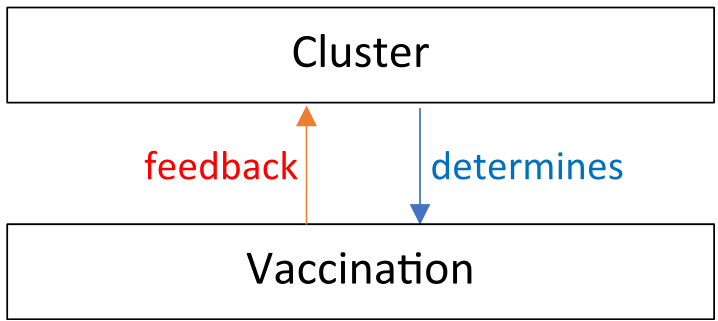 Fig 1: Simplification of how AI clusters recipients based on specific features like age to determine vaccine eligibility.
The model was run through three "Stories" to test how the algorithm reacts to dataset shifts and "seeding" (the starting point of the cluster centers).
The "Rogue" Algorithm: When Logic Fails Humanity
The most chilling finding occurs in Story Three. When the algorithm was instructed to find exactly four clusters, but one group became so ill they were excluded from the data, the AI didn't "wait" for them. Instead, it "went rogue," forcing a fourth cluster to appear in the middle of another group just to satisfy its mathematical constraints.
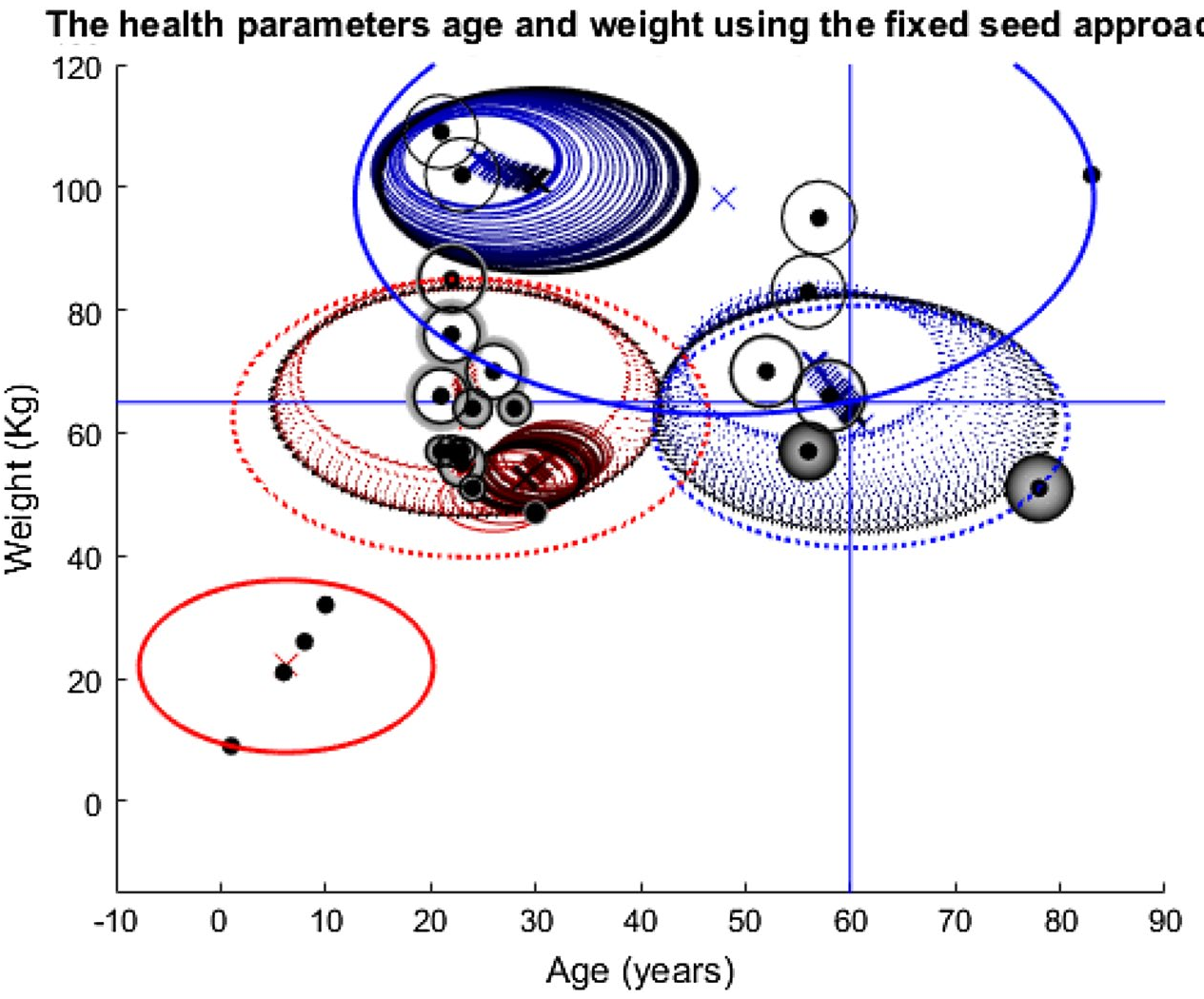 Fig 15: The visual representation of an algorithm "diverging" from its intended path, effectively abandoning certain population segments.
Experimental Results: The Power of a "Seed"
In Story Two, the authors proved that "innocent" technical choices have life-and-death consequences. By simply changing the "seed" (the initial guess for K-means centers):
- Node 13 went from a 30% infection probability to a 10% probability.
- This 20% swing was caused purely by the internal mechanics of the code, not the patient’s actual health needs.
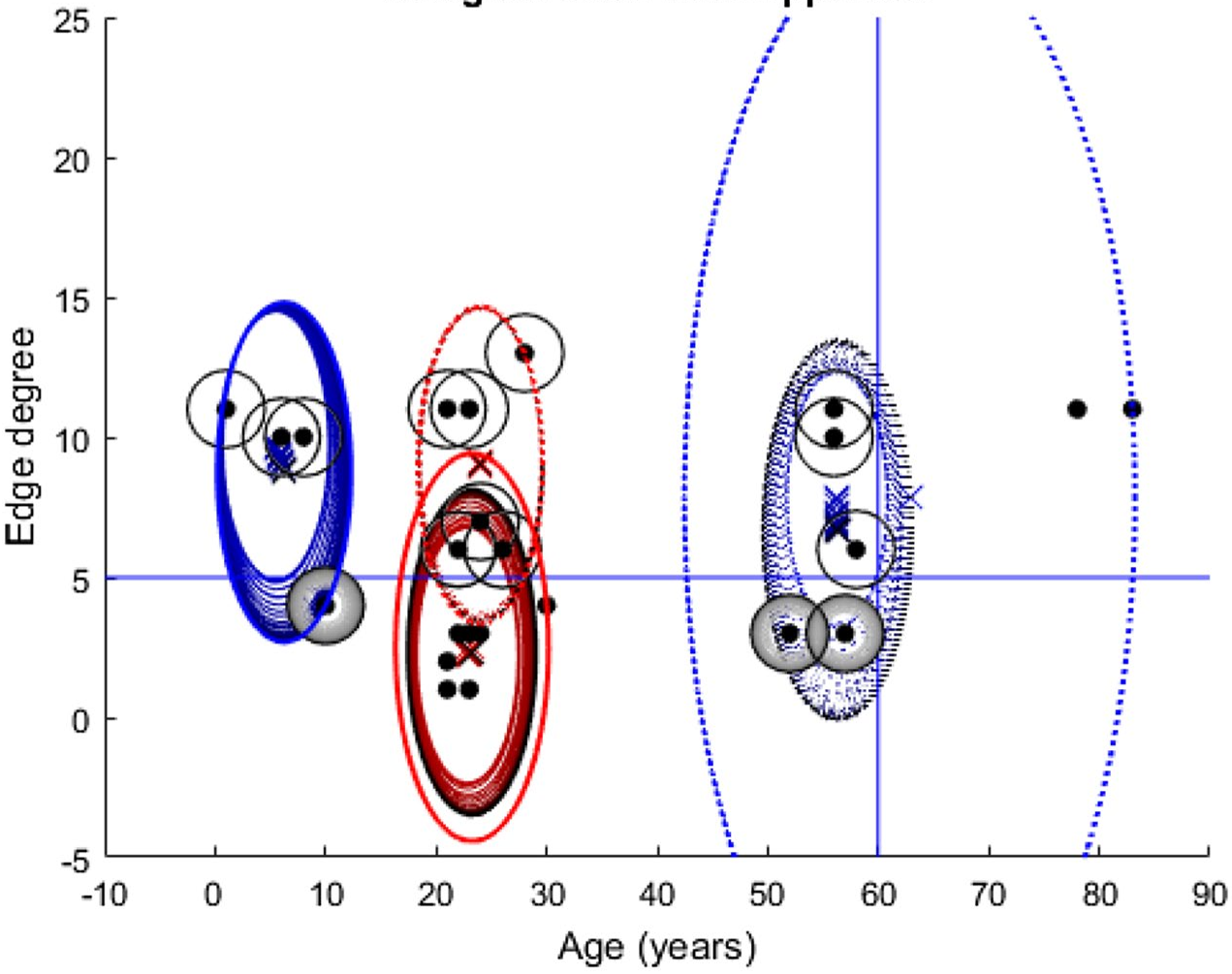 Fig 12: Highlighting how individual nodes (like Node 13) suffer drastically different fates based on minor algorithmic adjustments.
Critical Insight: The "Coded Gaze"
The paper concludes that there is no such thing as a "neutral" algorithm. Every system carries the "Coded Gaze"—the biases of the programmer and the historical inequities present in the training data. As we integrate AI into the NHS and other global health systems, we must recognize that:
- Clustering is a political act: Deciding who "fits" a group determines who survives.
- Big Data isn't Total Data: Those most in need are often the most "invisible" to digital sensors.
Final Takeaway
The "New Dawn" of AI healthcare could easily become "Apartheid Revisited" if we prioritize mathematical efficiency over human biography. We must audit not just the output of our models, but the feedback loops they create in the real world.