
Emotion Detection & AI: Why Your Upbringing Matters for Machine Learning
2941_The application of artificial intelligence in emotion detection a study based on the effect of parenting style on micro-expression recognition ability
This study investigates the correlation between parenting styles and micro-expression recognition ability in college students, utilizing specialized tools like the Chinese version of the Short Form Parenting Style Questionnaire (s-EMBU-C) and the Micro Expression Training Tool (METT). The research highlights how psychological developmental factors can inform and improve the design of automated emotion detection and artificial intelligence systems.
TL;DR
Can the way you were raised affect how well you—or an AI trained on human data—recognize a split-second lie? This study reveals a surprising link: negative parenting styles, particularly parental rejection, significantly hinder micro-expression recognition ability. By bridging psychology and AI, the authors argue that understanding these human biases is key to building more robust automated emotion detection systems for security and healthcare.
Background: The High Stakes of Micro-Expressions
Micro-expressions are fleeting, involuntary facial movements lasting between 1/25 and 1/5 of a second. Unlike macro-expressions, they are "leaked" emotions that people attempt to suppress. In the realm of AI, detecting these is the "Holy Grail" of deception detection and human-computer interaction (HCI). However, current AI models often struggle with the subtle nuances of these expressions.
The Core Motivation: Beyond Pixels to Psychology
The authors identify a gap in the current AI landscape: while we focus heavily on Feature Extraction (how to see the face) and Feature Classification (how to label it), we often ignore the Inductive Bias inherent in the observers who provide the training data. If human recognition ability varies based on developmental factors like parenting style, then the "Ground Truth" labels in our datasets may carry these psychological footprints.
Methodology: Testing the Human "Sensor"
The research utilized two primary instruments to collect data from a cohort of college students:
- s-EMBU-C: A questionnaire measuring three dimensions of parenting: Emotional Warmth, Rejection, and Over-Protection.
- METT (Chinese Version): A tool that tests the recognition of three types of expressions:
- Macro-expressions: Standard, long-lasting facial cues.
- Artificial Micro-expressions: Brief flashes (120ms) sandwiched between neutral images.
- Evoked Micro-expressions: Natural, ecological expressions captured on video.
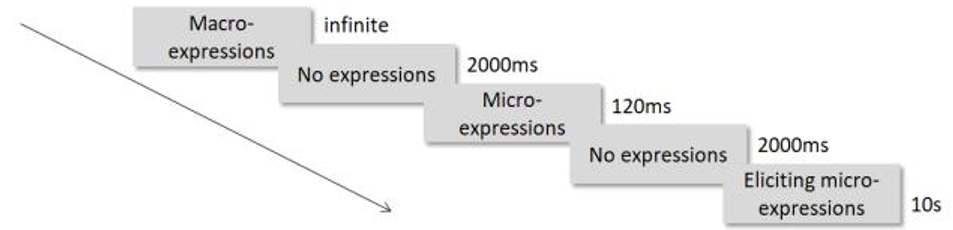 Figure 1: The pre-test workflow used to establish the baseline recognition ability of participants.
Key Results: The "Rejection" Penalty
The study yielded several critical insights for the AI community:
- The Difficulty Gradient: Recognition accuracy follows a strict hierarchy: Macro > Artificial Micro > Evoked Micro. This suggests that moving AI from static "flashed" images to natural "evoked" video is the biggest technical hurdle.
- Psychological Correlation: Parental rejection (from both father and mother) showed a statistically significant negative correlation with expression recognition. In short, a negative upbringing can "dull" the ability to perceive subtle emotional cues.
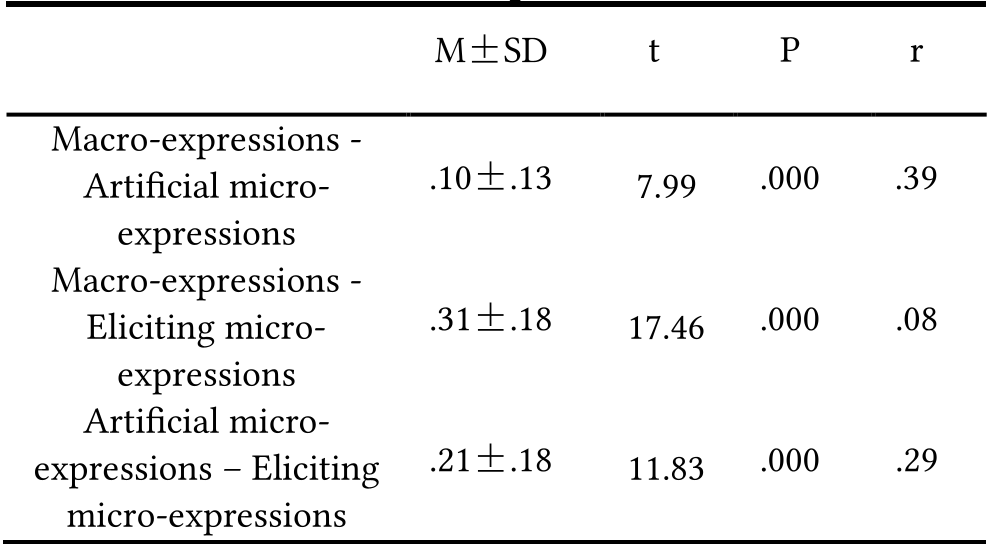 Figure 2: Statistical comparison of different expression types, showing the stark drop in accuracy as expressions become more "natural" and brief.
Critical Analysis & AI Outlook
Why this matters for AI Development
Most AI developers treat facial recognition as a pure computer vision problem. However, this paper suggests that "The Human in the Loop" is biased. If our AI models are trained on datasets labeled by humans, and those humans' abilities are shaped by their upbringing, we may be inadvertently baking socio-psychological biases into our algorithms.
The Bionic Leap
The paper advocates for Bionic Technology—designing AI that doesn't just process pixels but simulates human cognitive and psychological processes. By understanding which factors (like age, grade, or background) affect recognition, we can better calibrate automated systems for specific environments, such as:
- Airport Security: Screening for "suspicious" micro-expressions.
- Clinical Psychology: Using AI to assist in diagnosing depression or social anxiety based on how patients perceive others.
Conclusion
The marriage of machine learning and psychology is no longer optional. As we move toward more sensitive applications of emotion detection, we must account for the complex interplay between human development and visual perception. This study serves as a reminder that the most sophisticated AI "eyes" are still modeled after our own—biases and all.