
AI + IoT: A Digital Shield for the Construction Industry
Artificial Intelligence (AI) Coupled with the Internet of Things (IoT) for the Enhancement of Occupational Health and Safety in the Construction Industry
This paper proposes a unified safety monitoring framework for the construction industry by coupling Artificial Intelligence (AI) with the Internet of Things (IoT). The system integrates wearable sensor nodes, stereo vision mobile robots, and edge computing to predict and alert workers of potential hazards like falls from heights in real-time.
TL;DR
The construction industry remains one of the world's most hazardous sectors, with human error accounting for a significant portion of missed safety hazards. This paper introduces a hybrid architecture that combines AI-driven predictive algorithms with IoT wearable devices and mobile robots to create a real-time safety net, capable of intercepting accidents before they turn fatal.
The Problem: The "Human Gap" in Safety
Safety in construction is traditionally a visual search process. However, a worker's ability to identify a hazard is often compromised by physiological and psychological states—stress, fatigue, or simple cognitive bias. Statistics show that:
- 25% of hazards go unnoticed even by trained workers.
- 73% of fatalities result from systemic lapses in planning and execution.
- Top killers remain falling from heights and machinery-related injuries.
The authors argue that we have reached the limit of what policy and training alone can achieve. To bridge the gap, we need technology that doesn't get tired and isn't prone to "risk tolerance."
Methodology: The Unified Safety Architecture
The proposed system is an interdependent ecosystem divided into several critical sub-systems:
1. Wearable Sensor Nodes (The "Nervous System")
Each worker is equipped with a wearable device containing:
- MEMS Accelerometers (e.g., ADXL330): Placed near the center of gravity (lower back) to detect sudden drops or abnormal tilts.
- Gyroscopes: To measure Coriolis forces and orientation.
- BLE System-on-Chip (SoC): Ensuring low-power, continuous data transmission.
2. Vision Systems & Mobile Robots (The "Eyes")
Autonomous robots patrol the site using Stereo Vision. Unlike standard cameras, stereo vision provides the 3D depth perception necessary to estimate distances accurately in crowded, complex environments.
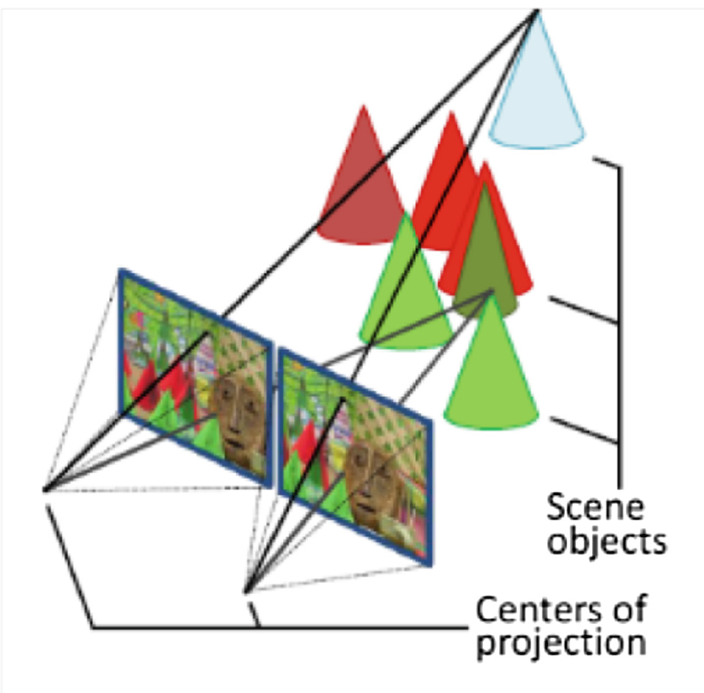 Figure 1: Conceptual visualization of how AI identifies subjects of interest (SOI) within a site.
3. Edge Computing (The "Brain")
Instead of sending all data to a distant cloud—which would cause fatal delays—the system uses Edge Computing. The receivers on-site process the data locally to ensure that if a fall is predicted, the alert is triggered in milliseconds.
Predictive Intervention: How it Works
When the AI identifies a high probability of a fall:
- Target Alert: The potential victim's device emits a loud audible warning to alert nearby help.
- Vicinity Alert: Workers in the immediate area receive haptic feedback (vibration) on their wearables, turning them into immediate first responders.
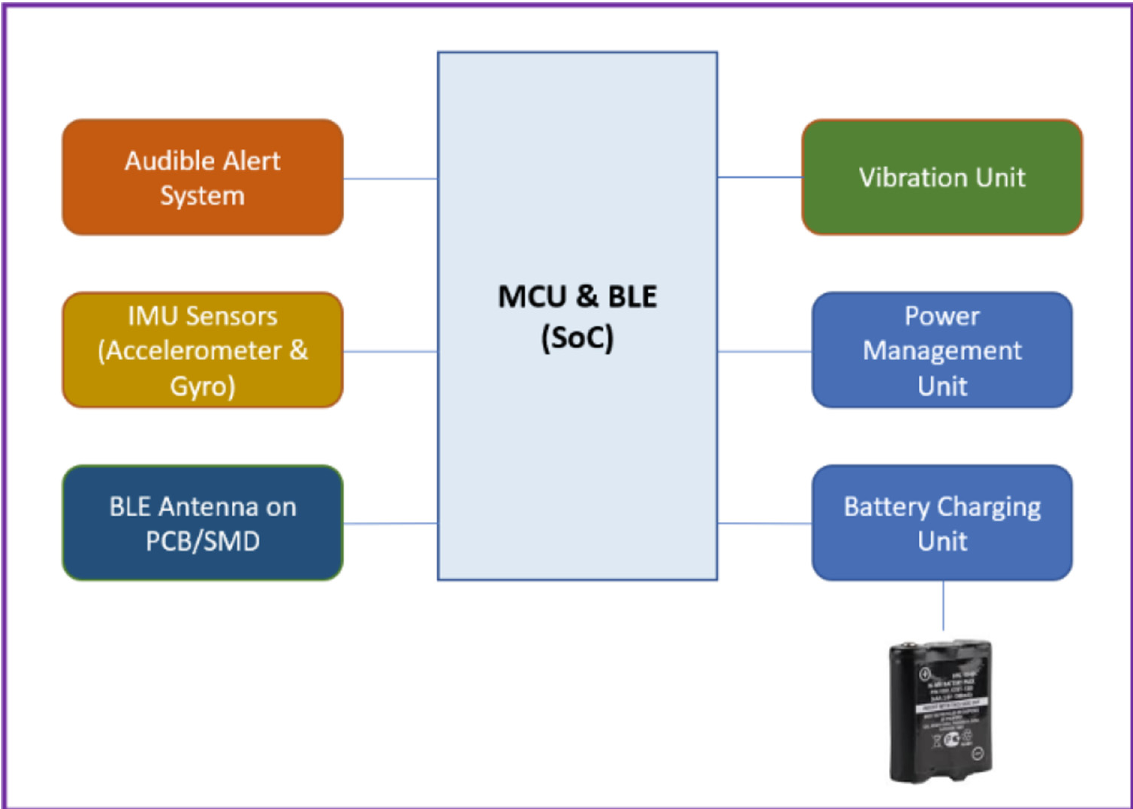 Figure 2: The hardware stack of the wearable transmitter unit, integrating power management and alert modules.
Challenges and Future Outlook
While the architecture is robust, the authors acknowledge significant hurdles:
- Locational Accuracy: GPS signals are often obstructed in dense construction "canyons." A hybrid of RF and GPS is required for precise worker tracking.
- Signal Noise: Construction sites are electrically and acoustically "noisy," requiring high-durability hardware and robust communication protocols.
Conclusion
By moving safety from a "human-responsibility" model to an "integrated-system" model, we can systematically eliminate the blind spots that lead to workplace fatalities. The coupling of AI prediction with IoT connectivity transforms static safety protocols into a dynamic, living environment that protects its workers in real-time.