
Aesthetic Affordances: Redefining AI Mobility for the Active Ageing Society
AI Mobility Solutions for an Active Ageing Society. Introducing Aesthetic Affordances in the Design of Smart Wheelchairs
This paper introduces the concept of Aesthetic Affordances in the design of AI-powered smart wheelchairs for an active ageing society. Collaborating with AISIN SEIKI, the authors developed a sculptural, "armchair-like" prototype that prioritizes social acceptance and user identity alongside advanced mobility AI.
TL;DR
As the global population ages, the "Silver Market" demands technology that supports mobility without the stigma of disability. This paper presents a paradigm shift: the Aesthetic Affordance of smart wheelchairs. By blending AI capabilities with high-end furniture aesthetics, researchers from the University of Tokyo and NABA demonstrate how a mobility device can become a symbol of active citizenship rather than a marker of decline.
Problem & Motivation: The Stigma of Functionality
The 21st century faces a demographic revolution where "Active Ageing" is the goal. However, there is a massive gap between the "chronological age" and "subjective age" of seniors. Most elderly people feel 8-10 years younger than they actually are and actively avoid products that make them appear "old" (e.g., hearing aids and traditional wheelchairs).
Existing AI mobility solutions often fail because they are designed as medical tools. The Aesthetic Affordance—or the ability of a product to communicate meaning through its form—is ignored. Users fear that by sitting in a traditional wheelchair, they lose their status as active members of society.
Methodology: From Wheelchair to Armchair
The researchers adopted a "Reflection-in-Action" methodology, iterating through benchmarking, participant observation (with users aged 69-84), and prototyping.
The core insight was to change the metaphor. Instead of a "device with wheels," they designed a "sculptural armchair."
Key Design Transformations:
- Architecture: The electronic components, sensors, and the wheeled base are entirely hidden under the structure, giving the illusion of a floating armchair.
- Interface: Minimalist control pads replace clunky joysticks, responding to intuitive pressure (left/right/forward).
- Materials: Utilizing upholstered fabric and translucent polyurethane instead of cold metal and plastic.
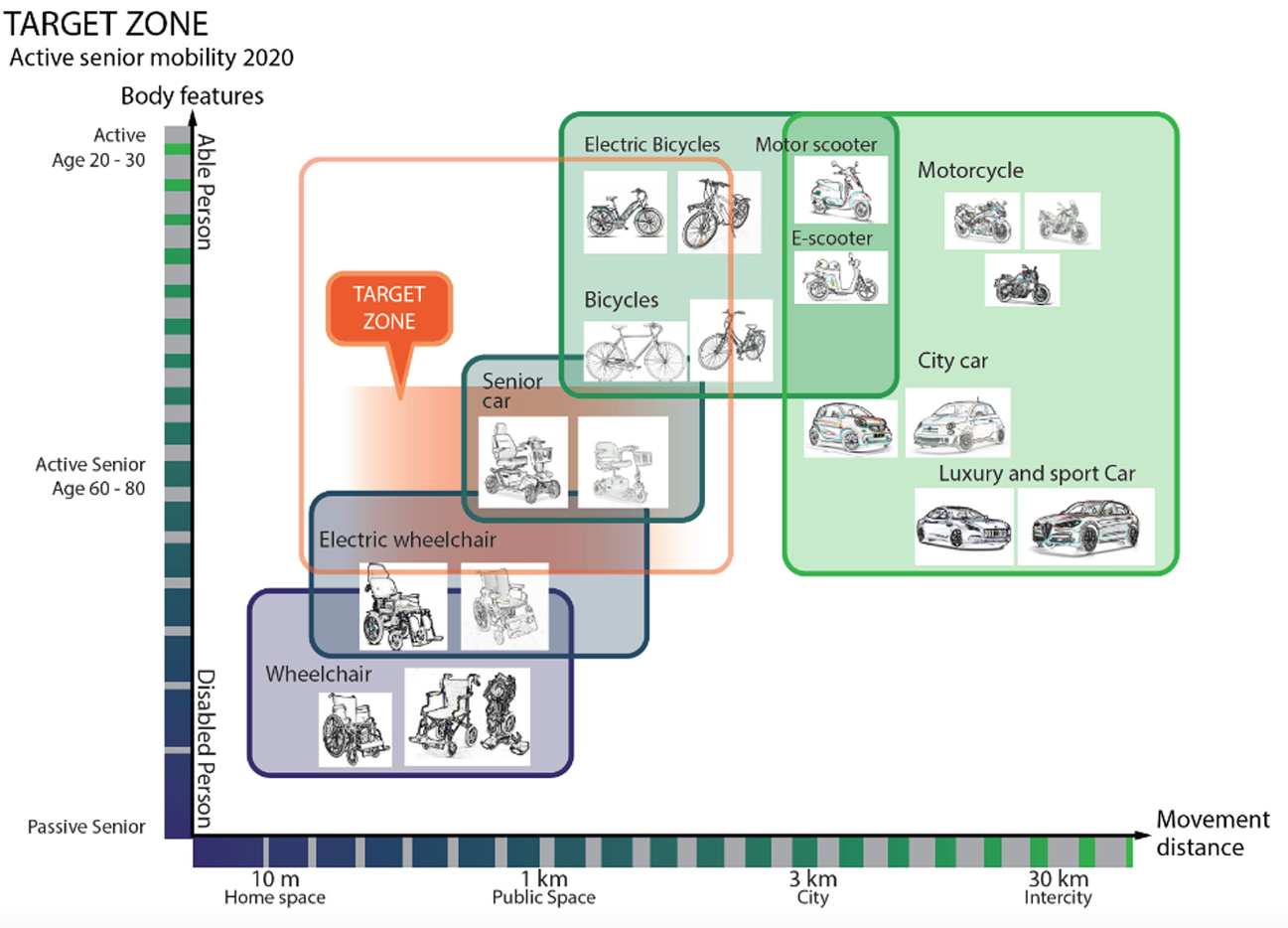 Figure 1: Benchmarking the mobility factors from active to passive elderly persons.
The Core Mechanism: Aesthetic Affordance
Aesthetics is not just "decoration." In this context, it is a "complex cognitive phenomenon" that emerges through interaction. The prototype uses a unique RGB LED system that lights up during movement. This provides feedback not through annoying beeps, but through an "emotive glow," reinforcing the futuristic and active identity of the user.
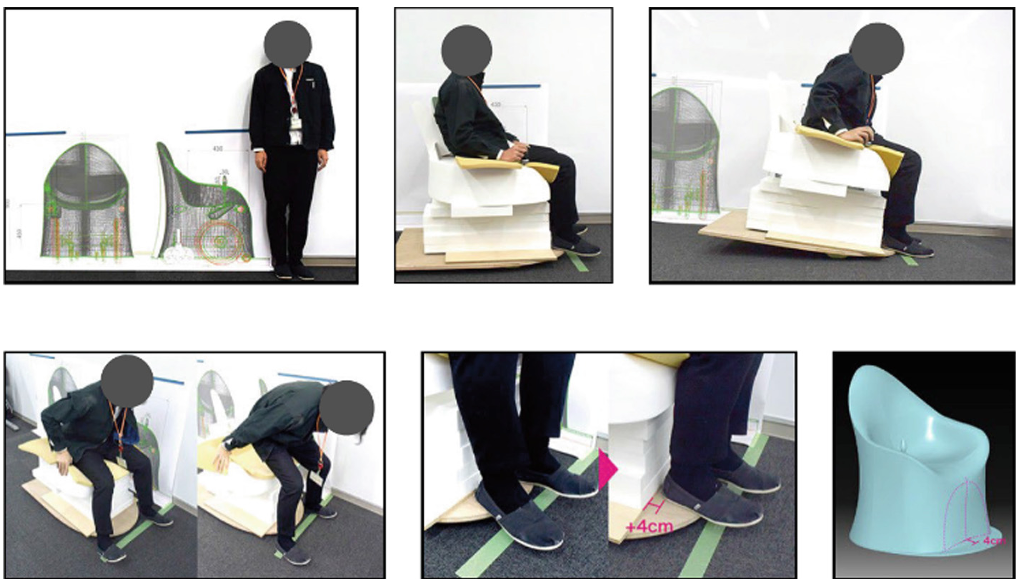 Figure 2: The redesigned "Armchair" prototype, blending ergonomic support with high-end aesthetics.
Experiments & Results: Beyond Healthcare
Observation sessions revealed that while users were initially concerned about "walking difficulty," their primary anxiety was "social perception."
The prototype's "sculptural look" received international acclaim not just for its function, but for its potential in the Hospitality Industry. By removing the "care-giver" aesthetic, the device became attractive for use in high-end hotels and airports—environments where mobility assistance is needed but traditional wheelchairs feel out of place.
 Figure 3: User scenario framework to support the design of aesthetic affordances in AI mobility.
Critical Analysis & Conclusion
Takeaway
The success of AISIN SEIKI’s prototype proves that for AI to move from the lab to the living room, we must balance functional performance with interaction aesthetics. A smart wheelchair shouldn't just be "smart" at avoiding walls; it should be "smart" at protecting the user's dignity.
Limitations & Future Work
While the "armchair" metaphor works beautifully for social acceptance, its size and weight may pose challenges in tight Japanese domestic spaces. Future research should look into "collapsible" or "transformable" aesthetic affordances that maintain the sculptural look while offering the portability of traditional walkers.
The path forward for AI in healthcare is clear: Emotional bonding is as important as technical precision.