
AI-Powered Robotics: Turning "Magic" into Science for the Next Generation
AI-Powered Educational Robotics as a Learning Tool to Promote Artificial Intelligence and Computer Science Education
This position paper advocates for AI-powered educational robotics as a tangible tool to teach Artificial Intelligence and Computer Science (CS) to K-12 students. It highlights how integrating physical robots like Cozmo, Zumi, and CogBots can transform abstract AI concepts into observable, hands-on learning experiences aligned with the "Five Big Ideas in AI" framework.
TL;DR
As AI becomes ubiquitous, K-12 education must shift from mere consumption to foundational understanding. This paper argues that AI-powered educational robotics serves as the ultimate bridge, converting abstract coding and machine learning into tangible, "buildable" experiences. By leveraging low-cost hardware and block-based programming, we can democratize AI literacy and prepare students for a future where AI is a collaborator, not a mystery.
The Problem: The "Abstractness" Trap and the Digital Divide
Artificial Intelligence is often perceived by children as "magic." While tools like ChatGPT or Siri are accessible, the underlying logic—perception, reasoning, and data bias—remains hidden.
Current educational challenges include:
- Abstraction Overload: Virtual-only coding (like standard Scratch) can feel disconnected from physical reality for younger learners.
- Resource Inequity: High-income students grow up with smart devices; low-income students are often left behind, creating a new "AI Divide."
- Curriculum Gap: While high school AI resources exist, elementary education lacks structured, standard-aligned paths.
Methodology: The Power of Tangible AI (Constructionism)
The author leans on Seymour Papert’s Constructionism, which posits that learning happens most effectively when people are making tangible objects. AI-powered robots act as "manipulatives" for the digital age.
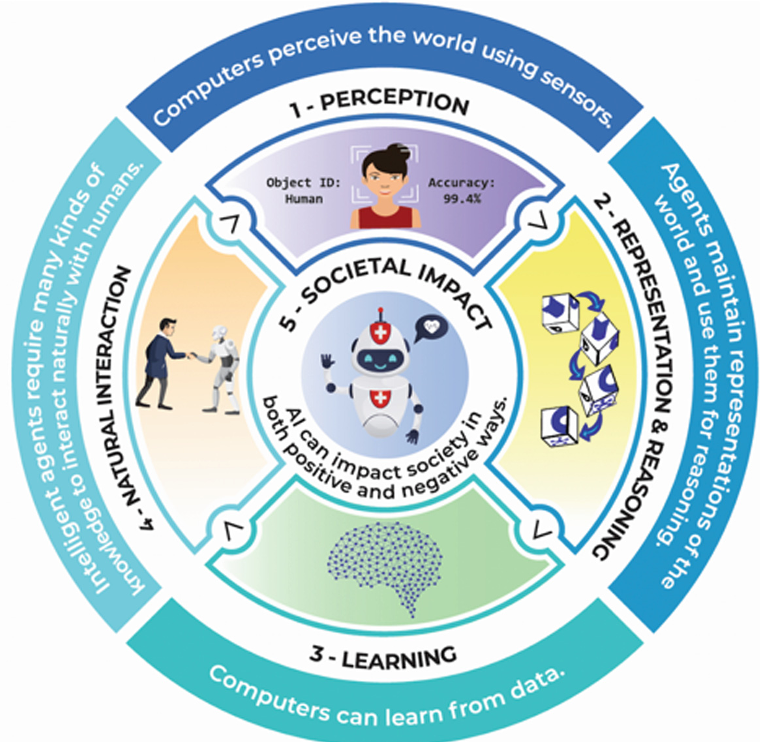
The Five Big Ideas in AI
The paper aligns its methodology with the AI4K12 guidelines:
- Perception: Using sensors to "see" the world.
- Representation: How robots "map" their environment.
- Learning: Training models with data.
- Interaction: Making human-robot communication natural.
- Societal Impact: Discussing ethics and bias.
Core Tools: From High-Tech to Recycled DIY
The paper highlights three distinct robotic platforms that lower the barrier to entry:
- Cozmo/Zumi: Commercial robots that offer sophisticated Computer Vision and self-driving capabilities out of the box.
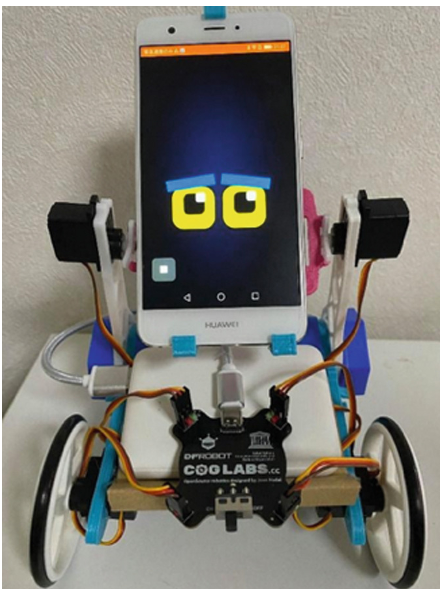
- CogBots (The Innovation): An open-source, DIY kit developed with Google and UNESCO. It uses recycled smartphones as the "brain/sensor" and affordable ESP32 boards as the "nervous system." This makes AI education economically viable for any classroom.
Insights: Why This Actually Works
The "Secret Sauce" isn't the robot itself, but the Iterative Engineering Process. When a student trains a "Teachable Machine" model to make a robot stop when it sees a red card, and it fails because of lighting, they aren't just coding—they are learning about Data Bias and Environmental Noise.
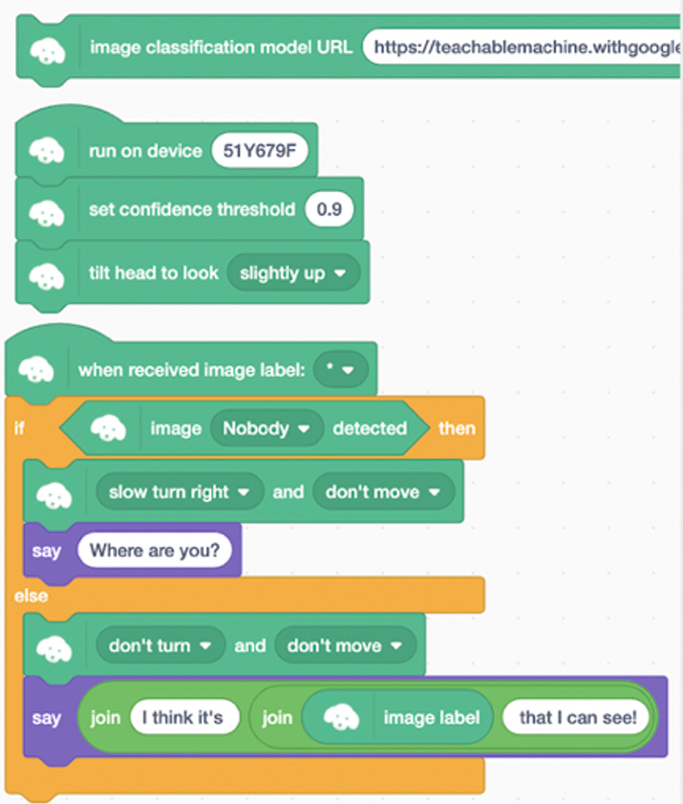
Experimental Note: Workshops with 3rd graders showed that even without formal CS backgrounds, students could grasp sensor-motor loops when they could physically touch the robot and see the "thought process" via Scratch blocks.
Critical Analysis & Future Outlook
Takeaway: AI robotics is the most "motivating" hook available to educators today. It satisfies the need for STEM engagement while delivering serious technical concepts.
Limitations:
- Teacher Preparedness: Most elementary teachers are not trained in AI.
- Integration: AI cannot be "one more thing" to teach; it must be woven into existing math or science lessons.
Future Work: The author calls for Culturally Responsive Pedagogy. AI education shouldn't just use Western examples; it should allow students to solve problems relevant to their own communities, ensuring that the "Five Big Ideas" resonate across all cultural boundaries.