The Great AI/Robot Jobs Scare: Toward an Age of Shared Abundance
6883_The Great AIRobot Jobs Scare Reality or ... Not Reality of Automation Fear Redux.
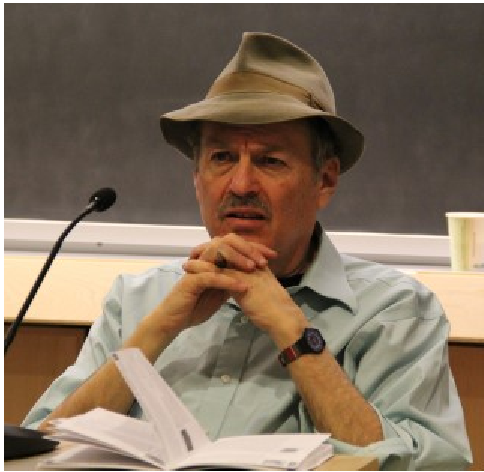
The paper "The Great AI/Robot Jobs Scare: Reality or ... Not Reality of Automation Fear Redux" is a socio-economic analysis by Richard B. Freeman and Jason Furman. It examines the disruptive impact of AI and robotics on employment and wages, proposing a shift from "automation fear" toward policies of inclusive ownership and productivity sharing.
TL;DR
In this seminal talk from AIES '18, Harvard economists Richard B. Freeman and Jason Furman dismantle the paralyzing fear of "robot-induced unemployment." They argue that the existential threat isn't the presence of AI in the workforce, but the exclusive ownership of it. To navigate the coming era of massive productivity, they advocate for a radical shift toward inclusive consumption and capital ownership.
Problem & Motivation: The Redux of Automation Anxiety
The narrative that "robots are coming for your job" is not new, but the sophistication of AI has given it a modern, more virulent edge. Historically, technological shifts have created more jobs than they destroyed. However, the authors recognize a unique tension:
- Decoupling Productivity and Wages: As AI increases output, labor's share of national income may continue to shrink.
- The Transition Gap: Even if new jobs are created, the friction of reskilling can leave a generation behind.
Freeman and Furman suggest that focusing solely on "job counts" misses the point. The real danger is a future where the gains of automation are captured by a tiny elite, leading to societal instability despite technological "abundance."

Methodology: From Displacement to Distribution
Unlike papers focused on algorithmic efficiency, this work focuses on Institutional Ethics. The authors leverage their backgrounds—Freeman’s expertise in labor markets and Furman’s experience as Chairman of the Council of Economic Advisers—to propose a framework of Broad Inclusivity.
The "How" of their methodology involves:
- Ownership Reform: Moving beyond traditional wages and exploring "The Citizen's Share"—giving workers a stake in the firms that utilize robots.
- Productivity as a Public Good: Viewing the "Intolerable Abundance" created by AI as a resource that must be accessible at the consumption level for all.
Analysis: Why "Intolerable Abundance" Matters
The term "intolerable abundance" is a provocative paradox. It suggests that AI could potentially produce so much wealth and goods that our current economic systems—based on scarcity and labor-for-income—might actually break down.
| Current System | Proposed Inclusive Model |
|---|---|
| Labor-dependent income | Multi-modal income (Labor + Capital stake) |
| Concentrated AI ownership | Distributed/Employee ownership of tech |
| Automation as a threat | Automation as a shared dividend |
Critical Insight: The Political Economy of AI
The authors make a compelling case that technical progress is a "scare" only because our social safety nets and ownership structures are still rooted in the industrial 19th century.
Main Takeaway: The "Robot Scare" is a policy choice. If we maintain the status quo of capital concentration, the fear is justified. If we pivot toward a "Citizen’s Share" model, the automation of labor becomes the liberation of the human worker.
Conclusion & Future Outlook
Freeman and Furman’s work serves as a foundational bridge between AI ethics and macroeconomics. While the paper lacks the quantitative data of a 2024 LLM study, its conceptual framework is more relevant than ever as we witness the rise of Generative AI.
Limitations: The talk remains at the high-level policy stage; the specific mechanisms for transitioning to "universal ownership" without stifling innovation remain an open area for researchers and legislators alike.