
GuessMyCaption: Bridging the Generational Gap through Ambient Exer-Gaming
An Ambient Casual Game to Promote Socialization and Active Ageing
This paper introduces GuessMyCaption, an ambient casual exergame designed to promote active ageing and socialization among older adults. By integrating Natural User Interfaces (NUI) via Microsoft Kinect and social media content from Facebook, the game transforms routine physical exercises into a meaningful social experience.
TL;DR
GuessMyCaption is a "casual ambient game" that uses family photos from Social Network Sites (SNS) to encourage older adults to perform physical exercises. By replacing traditional controllers with natural body gestures (monitored by Kinect), it turns stretching into a social event, proving that the best motivation for active ageing isn't just health—it's family connection.
Background: Beyond the Joystick
As we age, social networks tend to shrink, focusing primarily on immediate family. While "Serious Games" (exergames) have long aimed to help with physical therapy, they often feel clinical or mechanically difficult. This research positions itself at the intersection of Serious, Casual, and Ambient games, removing the "tech barrier" by making the environment itself the interface.
The Problem: The Social-Physical Silo
Prior work in elderly gaming usually stays in one of two lanes:
- Pure Exercise: Effective but boring; lacks long-term engagement.
- Pure Social: Meaningful but sedentary. The challenge is that older adults often find standard game interfaces (buttons, menus) intimidating. The authors identify a "sweet spot": using natural interfaces and familial memories to make exercise an invisible byproduct of social engagement.
Methodology: Gaming with Memories
The system uses a Microsoft Kinect to track 20 body joints. Instead of clicking a mouse, the user interacts through five specific "poses" designed by geriatric experts to prevent muscle loss:
- "Hello" Waving: To initiate the game.
- Arm Raises (Left/Right/Circular): To select the correct photo that matches a caption retrieved from a relative's Facebook.
The Feedback Loop
The game isn't just digital. By completing "puzzles" in the game, the older adult earns tangible rewards—physical printouts of the family photos they just interacted with. This bridges the gap between the digital social network and the physical home environment.
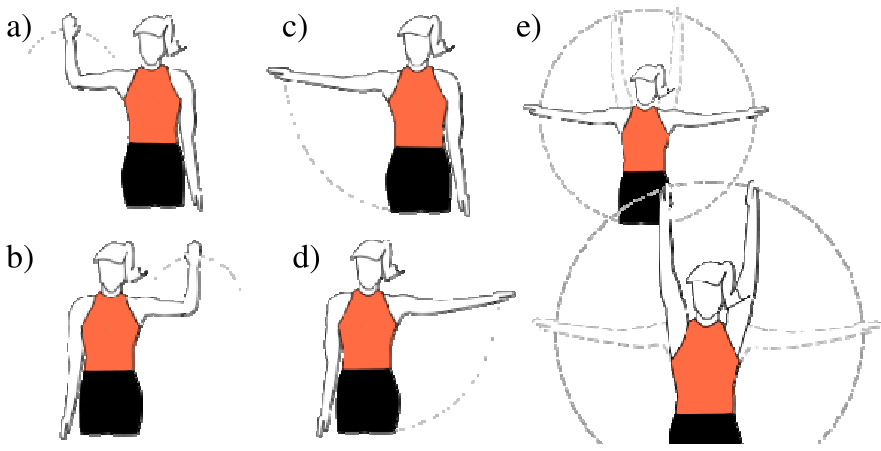 Figure 1: The GuessMyCaption interface showing family photos and the puzzle reward system.
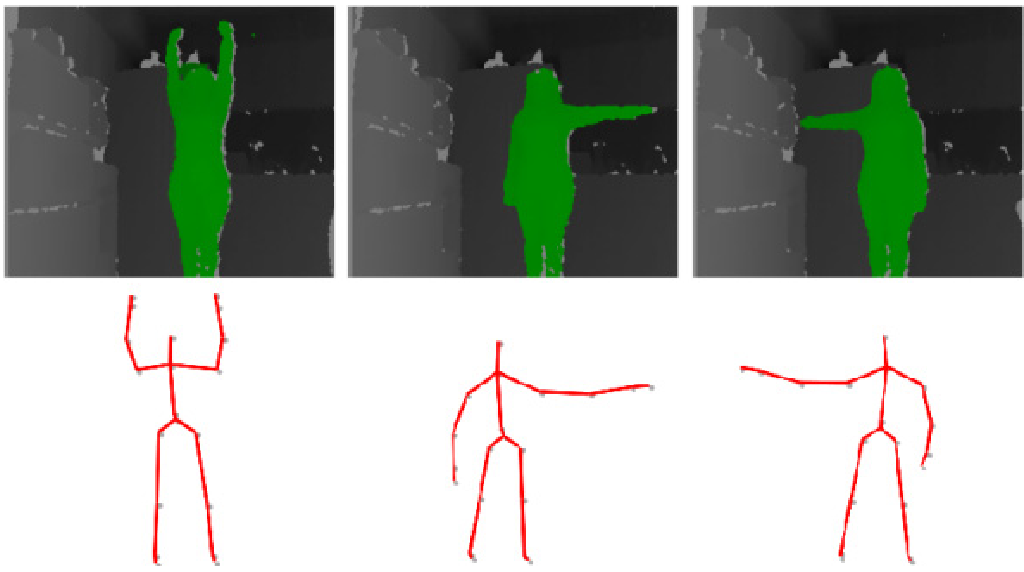 Figure 2: Real-time skeletal tracking using Kinect to identify corrective exercises as game inputs.
Experimental Insights: Adoption & Perception
The study was conducted over 5 weeks in a real-world home setting.
- Ease of Use: The participant found the Kinect "Hello" gesture more intuitive than using a standard TV remote.
- The "Grandchild" Effect: Unexpectedly, the game became a social catalyst. Great-granddaughters visited specifically to play the "Kinect game" with the subject, facilitating intergenerational bonding.
- Perceived vs. Actual Health: While physical strength (measured by a dynamometer) didn't show radical changes in 3 weeks, the subjective perception was massive. The user reported: "My arms feel good... they do not hurt anymore."
Critical Analysis: The Future of Ambient Health
Why it Works
The "Secret Sauce" here is Social Capital. By using family photos, the game provides a constant stream of "novel content" (the context of the photo/caption), which keeps the brain engaged and reduces the "chore" feeling of repetitive exercise.
Limitations & Challenges
- Algorithmic Rigidity: The gesture recognition sometimes caused "false negatives," requiring the elderly user to repeat motions. While the user in this study saw this as "extra exercise," it could lead to frustration for others.
- Privacy Asymmetries: Moving private family photos from a private SNS feed to a "semi-public" ambient screen in the living room raises questions about who else in the house might see information intended for specific eyes.
Conclusion
GuessMyCaption proves that for the elderly, interaction is the intervention. By lowering the technical barrier with natural interfaces and heightening the emotional reward with family memorabilia, we can create sustainable systems that promote both physical health and social integration. Future work must focus on universal design—ensuring these systems can adapt to the specific physical limitations of every unique user.