
The Cost of Accountability: How Real-Name Verification Reshapes Social Media Behavior
Analysis of general opinions about Sina Weibo micro-blog real-name verification system
This paper investigates public perceptions of the Sina Weibo Real-name Verification System through a face-to-face survey of 452 netizens. Using statistical T-tests and Weka-based data mining, the study quantifies the policy's impact on user behavior, specifically revealing a significant reduction in posting activity following implementation.
TL;DR
Can we trade anonymity for security without killing the vibrancy of social media? This study analyzes the implementation of the Real-name Verification (RV) system on Sina Weibo. While intended to "purify" the web by eliminating fraud and rumors, the research finds a significant side effect: a 20% drop in user posting activity and a profound public anxiety regarding personal privacy and free speech.
The Anonymity Paradox
For years, the "liberal culture" of the internet thrived on anonymity, allowing users to express themselves without the burden of physical identification. However, as the paper notes, this same freedom paved the way for hoaxes, phishing, and political manipulation via "software bots."
In 2012, Beijing mandated that micro-blog users link their accounts to real identities. The research team from the University of Macau set out to answer a critical question: Does forcing people to be "traceable" make them stop talking?
Methodology: Beyond Simple Surveys
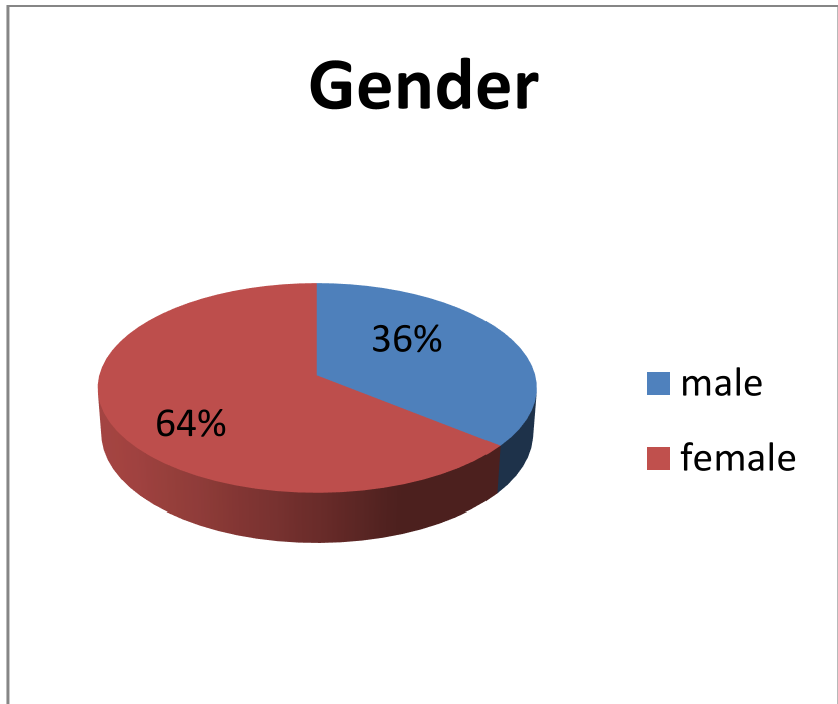
The researchers conducted face-to-face interviews with 452 participants in Qujing and Macau to ensure a diverse, impartial dataset. They moved beyond simple "agree/disagree" questions by applying:
- Hypothesis Testing (T-test): To prove whether the reduction in posts was statistically significant.
- Confidence Intervals: To estimate the reliability of the "before vs. after" usage drop.
- Data Mining (Weka): To rank which attributes (Gender, Income, Education) influenced user reactions.
Key Insights: Results that Speak Volumes
1. The "Chilling Effect" in Numbers
The most striking finding is the quantified reduction in content. By using a T-test where , the researchers confirmed that users published roughly 3 fewer posts per week after the verification policy began. On average, posting volume fell from 14.15 to 11.04 posts per week.
 Table: Statistical breakdown showing the mean drop in activity and the 95% confidence intervals.
2. Privacy vs. Purity
While a majority acknowledged that RV might "purify" the environment (reducing bots and scams), the fear of privacy leaks was far more dominant.
- Benefits (Purification): 208 Agreed vs. 65 Disagreed.
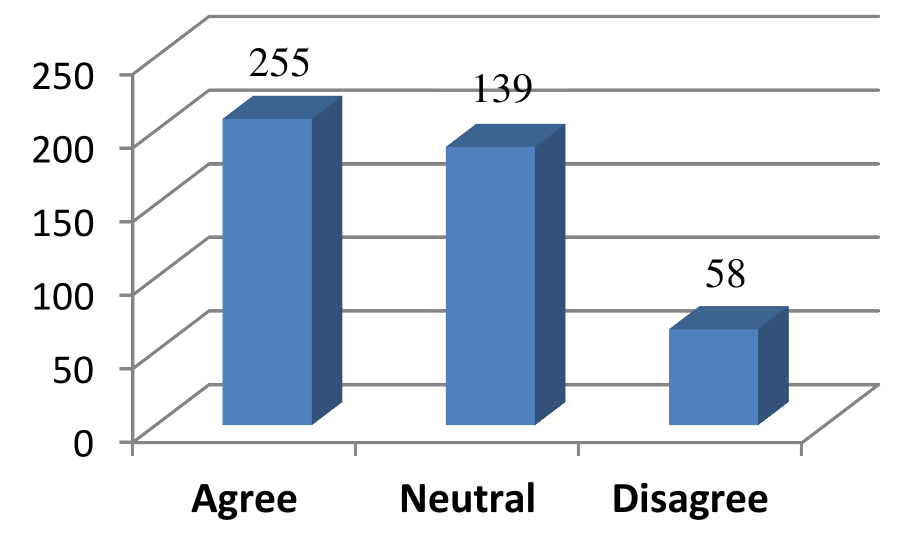
- Costs (Privacy Leakage): 255 Agreed vs. 58 Disagreed.
The psychological obstacle is high; users view their ID information with the same sensitivity as credit card data, illustrating a profound distrust in the security of data transfer and administrative handling.
Critical Analysis: A Social Cost-Benefit Transition
The paper draws an interesting comparison with South Korea, the first to adopt such a system. While RV aims for "social stability," the authors highlight that the success of such policies depends heavily on the legal environment and the protection of personal information from misconduct.
The catch? Users don't necessarily leave the platform; they just change their behavior. They switch from "voicing out their true words" to passive consumption—browsing and forwarding—avoiding original posts that might have "legal effects on themselves."
Conclusion
This 2012 case study on Sina Weibo serves as a foundational warning for modern platform governance. While real-name systems effectively dissolve the "camouflage of unverified identity," they risk turning active social hubs into passive observation decks. For designers of future digital ID systems, the "fingerprint" left behind must be balanced with robust, transparent privacy protections to prevent the total erosion of user-generated vibrancy.
Takeaway: Accountability is necessary for a mature internet, but it carries a "speech tax" that can reduce original content creation by up to 20%.